
Discover the Women of the Hall
These are the Inductees of the National Women’s Hall of Fame. Select any of the women to discover their stories and learn how they have influenced other women and this country.
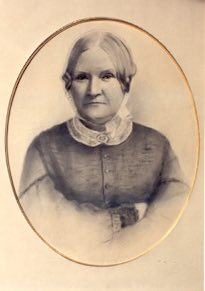 Lydia Maria Child
Humanities
1802
Massachusetts
2001
Lydia Maria Child
Humanities
1802
Massachusetts
2001
Lydia Maria Child
Author and social reformer, Lydia Maria Child spent a lifetime crusading for the abolition of slavery and supporting women’s suffrage. As the author of more than 40 books and the editor of eleven publications, she was always addressing the main issues of 19th century America.
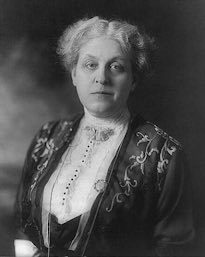 Carrie Chapman Catt
Humanities
1859
Wisconsin
1982
Carrie Chapman Catt
Humanities
1859
Wisconsin
1982
Carrie Chapman Catt
Tenacious women’s suffrage organizer whose efforts at the helm of the National American Women Suffrage Association put forth the “winning plan” that led to state-by-state enactments of suffrage and the final victory in 1920.
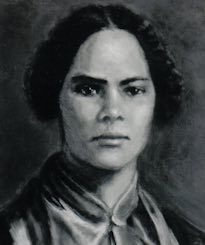 Mary Ann Shadd Cary
Humanities
1823
Delaware
1998
Mary Ann Shadd Cary
Humanities
1823
Delaware
1998
Mary Ann Shadd Cary
An educator and abolitionist, Mary Ann Shadd Cary was the first Black American woman to enroll in and graduate from Howard University Law School. She appeared before the House Judiciary Committee to argue for the right of women to vote (with Anthony and Stanton). During the 1870s, while practicing law, she lectured throughout the United States about the improvement of education for Black Americans.
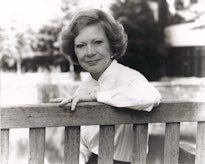 Eleanor Rosalynn Smith Carter
Humanities
1926
Georgia
2001
Eleanor Rosalynn Smith Carter
Humanities
1926
Georgia
2001
Eleanor Rosalynn Smith Carter
Former First Lady (1977-1981), Rosalynn Carter was an advocate for mental health, early childhood immunizations, human rights, conflict resolution, and health promotion worldwide.
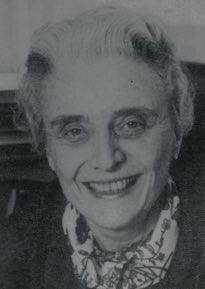 Mary Steichen Calderone
Education, Humanities
1904
France
1998
Mary Steichen Calderone
Education, Humanities
1904
France
1998
Mary Steichen Calderone
Pioneering sex educator and acknowledged “mother of sex education.” She established the Sex Information and Education Council of the United States, which established sexuality as a healthy entity. Dr. Calderone was President of the SIECUS board, as well as author and co-author of several books, professional journals and magazine articles.
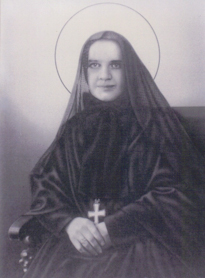 St. Frances Xavier Cabrini
Humanities
1850
Italy
1996
St. Frances Xavier Cabrini
Humanities
1850
Italy
1996
St. Frances Xavier Cabrini
Established orphanages, day care centers, schools, clinics and hospitals for immigrants in the United States and around the world. She established a missionary order of women and was the first American citizen to be canonized a saint.
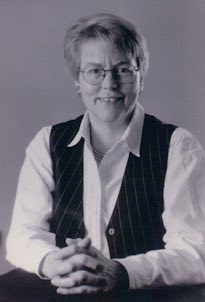 Charlotte Anne Bunch
Education, Humanities
1944
North Carolina
1996
Charlotte Anne Bunch
Education, Humanities
1944
North Carolina
1996
Charlotte Anne Bunch
Founder and director of the Center for Women’s Global Leadership at Rutgers University. Bunch has helped shape the global feminist movement and created consciousness about gender-based human rights. She is also a leader in national and international networking and advocacy for women.
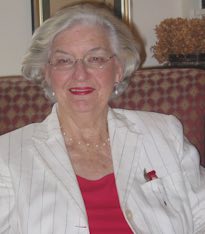 Betty Bumpers
Humanities
1925
Arkansas
2005
Betty Bumpers
Humanities
1925
Arkansas
2005
Betty Bumpers
Former first lady of Arkansas, Betty Bumpers dedicated herself to world peace and health initiatives for children across the United States. As First Lady of Arkansas, Mrs. Bumpers spearheaded an immunization program in her state that became a national model. She also co-founded Every Child by Two with Rosalynn Carter, a national immunization program. Mrs. Bumpers was active in the global campaign to eradicate polio.
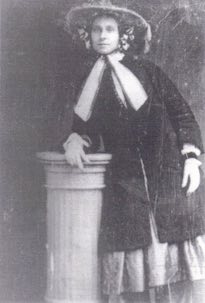 Amelia Bloomer
Humanities
1818
New York
1995
Amelia Bloomer
Humanities
1818
New York
1995
Amelia Bloomer
First woman to own, operate and edit a newspaper for women, The Lily. First published in 1849 in Seneca Falls, New York, it became a recognized forum for women’s rights issues. She often wore full-cut pantaloons under a short skirt, giving birth to the term “bloomers.”
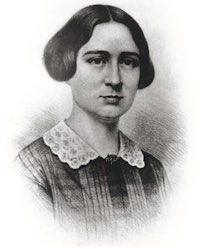 Antoinette Blackwell
Humanities
1825
New York
1993
Antoinette Blackwell
Humanities
1825
New York
1993
Antoinette Blackwell
First American woman ordained a minister by a recognized denomination (Congregational), despite great opposition to women in the ministry. Blackwell was a pastor, mother of seven children, and wrote many books and essays.
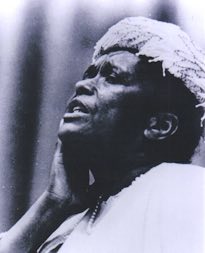 Ella Baker
Humanities
1903
Virginia
1994
Ella Baker
Humanities
1903
Virginia
1994
Ella Baker
Premier behind-the-scenes organizer and co-founder of the Southern Christian Leadership Conference (SCLC), headed by Martin Luther King, Jr. Baker also helped establish the civil rights movement’s foremost student organization, the Student Non-Violent Coordinating Committee.
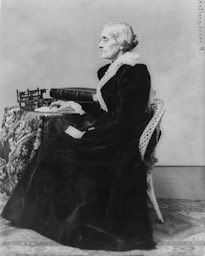 Susan B. Anthony
Humanities
1820
Massachusetts
1973
Susan B. Anthony
Humanities
1820
Massachusetts
1973
Susan B. Anthony
The women’s movement’s most powerful organizer whose lifetime of dedication, and work with Elizabeth Cady Stanton, paved the way for women’s right to vote. Her words “Men their rights and nothing more; women their rights and nothing less,” expressed the ongoing struggle for equality.
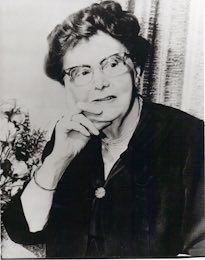 Ethel Percy Andrus
Humanities
1884
California
1993
Ethel Percy Andrus
Humanities
1884
California
1993
Ethel Percy Andrus
Founded the American Association of Retired Persons (AARP) to help older Americans cope effectively in their later years. Her organization, now 36 million members strong and a political lobbying force, helps with health insurance, career assistance and discounts for senior citizens.
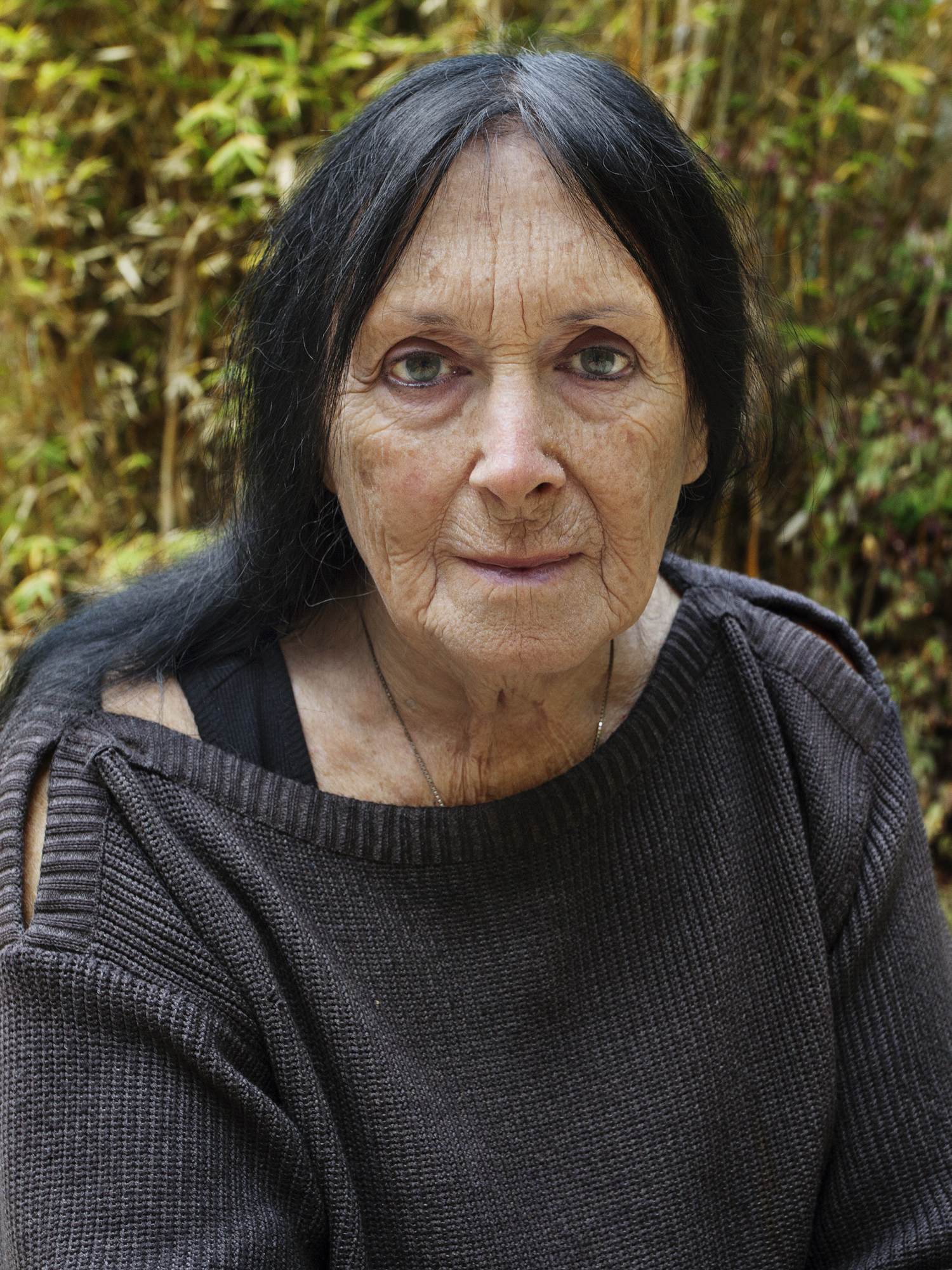 Allucquére Rosanne Stone
Arts, Education, Humanities
1936
New Jersey
2024
Allucquére Rosanne Stone
Arts, Education, Humanities
1936
New Jersey
2024
Allucquére Rosanne Stone
Allucquére Rosanne Stone, also known as Sandy Stone, is an academic, media theorist, artist, audio engineer, and computer programmer. A founder of the academic discipline of transgender studies, Stone’s trailblazing work created space for trans scholars to unfold the vast spectrum of gender.
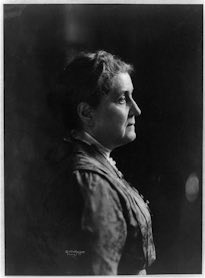 Jane Addams
Humanities
1860
Illinois
1973
Jane Addams
Humanities
1860
Illinois
1973
Jane Addams
Social reformer and peace activist who created Hull House in the slums of Chicago, starting an American settlement house movement to provide help for the poor. A lifelong activist, Addams fought child labor, infant mortality and dangerous workplaces. Founder of the Women’s International League for Peace and Freedom, she won the Nobel Prize for Peace in 1931.
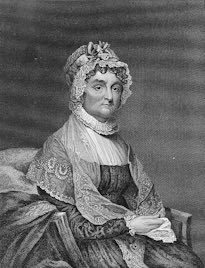 Abigail Adams
Humanities
1744
Massachusetts
1976
Abigail Adams
Humanities
1744
Massachusetts
1976
Abigail Adams
Influential letter writer who urged her husband, President John Adams to “Remember the Ladies” and permit women to legally own property. She identified this major obstacle to women’s equality, which was overcome years later.