Discover the Women of the Hall
These are the Inductees of the National Women’s Hall of Fame. Select any of the women to discover their stories and learn how they have influenced other women and this country.
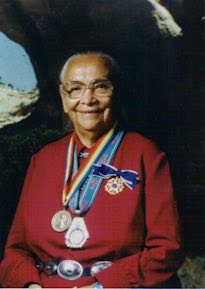 Annie Dodge Wauneka
Science
1910
Arizona
2000
Annie Dodge Wauneka
Science
1910
Arizona
2000
Annie Dodge Wauneka
First woman elected to the Tribal Council, she became determined to lead the fight against tuberculosis among the Navajo. She wrote a dictionary to translate English words for modern medical techniques into Navajo, and hosted a radio broadcast in the Navajo language to explain how modern medicine could help in better care for pregnant women and new babies and other family health problems.
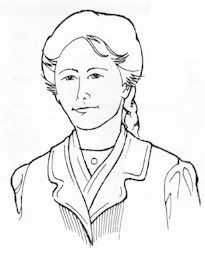 Kate Mullany
Humanities
1845
2000
Kate Mullany
Humanities
1845
2000
Kate Mullany
Founder and organizer of the Collar Laundry Union in 1864, she led a strike of 200 laundresses in Troy, NY, which resulted in a 25% wage increase and improvement of working conditions. Her efforts to organize women in New York City and financially assist both male and female unions were rewarded when she was appointed as an assistant secretary of the National Labor Union, making her the first female to hold a national labor post.
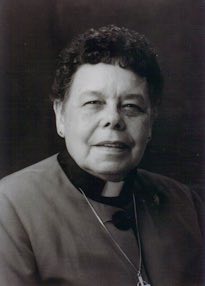 Leontine T.C. Kelly
Humanities
1920
District of Columbia
2000
Leontine T.C. Kelly
Humanities
1920
District of Columbia
2000
Leontine T.C. Kelly
A Methodist bishop, Leontine T.C. Kelly was the first African American woman to be elected bishop in the United Methodist Church. She served as bishop of the California-Nevada Annual Conference and the president of the Western Jurisdiction College of Bishops. Committed to peace and justice, she was arrested several times for protesting nuclear weapons, and was one of 18 bishops who signed a letter to the Methodist Church in response to its policy toward gays and lesbians in the church.
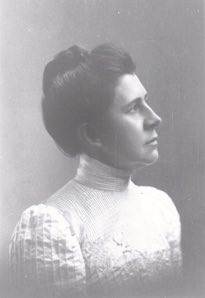 Ida Tarbell
Arts
1857
Pennsylvania
2000
Ida Tarbell
Arts
1857
Pennsylvania
2000
Ida Tarbell
Writer and editor, her expose of the Standard Oil Trust in the 1904 publication The History of the Standard Oil Company prompted the federal government to prosecute and break up Standard Oil for anti-trust violations. She founded the American Magazin, authored several biographies, and, in spite of her 1912 anti-feminist book, The Business of Being a Woman, remains a role model for women and men in journalism.
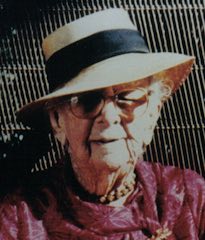 Marjory Stoneman Douglas
Science
1890
Minnesota
2000
Marjory Stoneman Douglas
Science
1890
Minnesota
2000
Marjory Stoneman Douglas
A journalist with the Miami News Record, she was an active leader in the Florida suffrage movement and an environmentalist credited with saving the Everglades as a national resource. Douglas authored over ten books and several plays, including The Everglades: River of Grass. After receiving the Presidential Medal of Freedom in 1993 at the age of 103, she remained an active and influential environmentalist to her death.
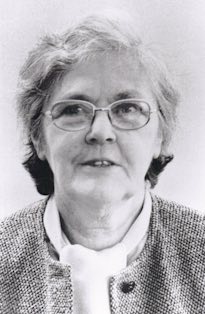 Frances Oldham Kelsey
Science
1914
Canada
2000
Frances Oldham Kelsey
Science
1914
Canada
2000
Frances Oldham Kelsey
A medical and pharmaceutical researcher for the Food and Drug Administration, she refused to approve the use of thalidomide in this country, saving countless babies from terrible deformities. As a result of her testimony before Congress, the 1962 drug act was passed, giving the FDA greater control over the manufacture, testing and distribution of drugs. During a career with the FDA which spanned over 39 years, her supervision of clinical investigators has institutionalized the protection of the patient in drug investigations.
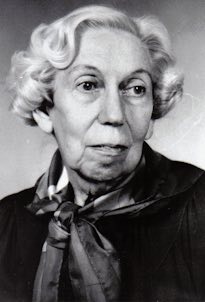 Eudora Welty
Arts
1909
Mississippi
2000
Eudora Welty
Arts
1909
Mississippi
2000
Eudora Welty
One of the most significant writers of the 20th century, Eudora Welty won many notable literary prizes, including the Pulitzer Prize for her novel The Optimist’s Daughter. Her work is marked by what critic Jonathan Yardley called an “abiding tolerance…a refusal to pass judgment on the actors in the human comedy,” and it transcends generations and national boundaries. In 1998, the Library of America recognized her literary accomplishments by honoring her as the first living author published in the prestigious Library of America series.
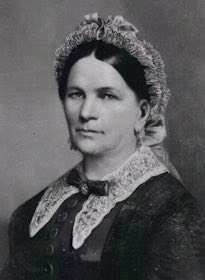 Sophia Smith
Education, Philanthropy
1796
Massachusetts
2000
Sophia Smith
Education, Philanthropy
1796
Massachusetts
2000
Sophia Smith
Born to a family known for its frugality and thrift, she was left at the age of 65 as the sole survivor of her immediate family, and with the funds to endow the establishment of Smith College, an institution that she hoped would provide undergraduate education for young women equal to that provided at the time for young men.
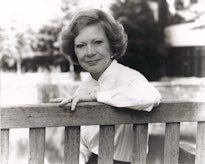 Eleanor Rosalynn Smith Carter
Humanities
1926
Georgia
2001
Eleanor Rosalynn Smith Carter
Humanities
1926
Georgia
2001
Eleanor Rosalynn Smith Carter
Former First Lady (1977-1981), Rosalynn Carter was an advocate for mental health, early childhood immunizations, human rights, conflict resolution, and health promotion worldwide.
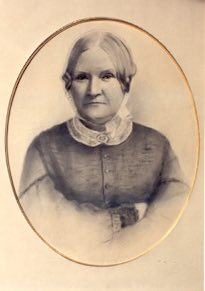 Lydia Maria Child
Humanities
1802
Massachusetts
2001
Lydia Maria Child
Humanities
1802
Massachusetts
2001
Lydia Maria Child
Author and social reformer, Lydia Maria Child spent a lifetime crusading for the abolition of slavery and supporting women’s suffrage. As the author of more than 40 books and the editor of eleven publications, she was always addressing the main issues of 19th century America.
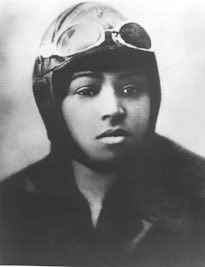 Bessie Coleman
Science
1892
Texas
2001
Bessie Coleman
Science
1892
Texas
2001
Bessie Coleman
The first licensed black female aviator. She earned her international pilot’s license in 1921 and gained fame during the next five years for her air acrobatics and highflying stunts. She dreamed of starting a school to train black aviators.
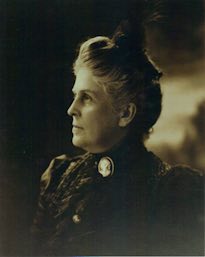 Harriet Williams Russell Strong
Business
1844
New York
2001
Harriet Williams Russell Strong
Business
1844
New York
2001
Harriet Williams Russell Strong
An inventor of water-conservation techniques, she was also a very successful businesswoman. Her water irrigation systems are credited with being one of the factors in the development of southern California as a major agricultural region.
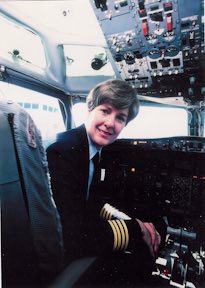 Emily Howell Warner
Science
1939
Colorado
2001
Emily Howell Warner
Science
1939
Colorado
2001
Emily Howell Warner
In 1973, Emily Warner became the first American female commercial airline pilot when Frontier Airlines broke the barrier against hiring women pilots. She later became the nation’s first woman airline captain, also at Frontier Airlines.
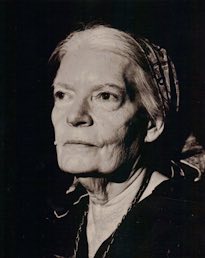 Dorothy Day
Humanities
1897
New York
2001
Dorothy Day
Humanities
1897
New York
2001
Dorothy Day
Widely considered one of the great Catholic lay leaders of the 20th century. As co-founder of The Catholic Worker, Day spearheaded the movement that continues to promote pacifism, civil rights, and relief for the homeless.
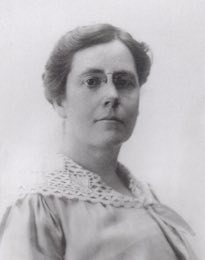 Marian de Forest
Arts, Humanities
1864
New York
2001
Marian de Forest
Arts, Humanities
1864
New York
2001
Marian de Forest
Founder of Zonta (1919, Buffalo, NY), a worldwide organization of women business and professional leaders dedicated to improving the legal, political, and economic status of women. Membership now runs 35,000 with 1,214 clubs in 68 countries.
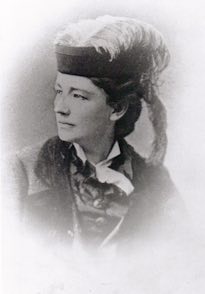 Victoria Woodhull
Humanities
1838
Ohio
2001
Victoria Woodhull
Humanities
1838
Ohio
2001
Victoria Woodhull
A 19th century reformer, Victoria Woodhull established a reputation as a radical freethinking reformer. She was a suffragist, author, political activist, and the first woman to run for President of the United States (1872).
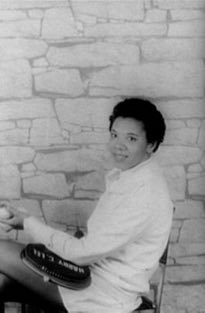 Althea Gibson
Athletics
1927
South Carolina
2001
Althea Gibson
Athletics
1927
South Carolina
2001
Althea Gibson
In 1957 Althea Gibson became the first African American tennis player to win at Wimbledon and Forest Hills. Her influence as a role model for aspiring athletes has been profound.
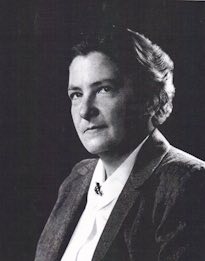 Dorothy H. Andersen
Science
1901
North Carolina
2001
Dorothy H. Andersen
Science
1901
North Carolina
2001
Dorothy H. Andersen
Pediatrician and pathologist who was the first to identify cystic fibrosis and developed a simple, definitive diagnostic test for the disease.
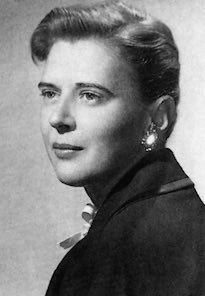 Beatrice A. Hicks
Science
1919
New Jersey
2001
Beatrice A. Hicks
Science
1919
New Jersey
2001
Beatrice A. Hicks
Engineer, inventor, and business owner, Beatrice Hicks was a pioneer in gaining recognition for women engineers at a time when less than 1% of all U.S. employed engineers were women. She was a founding member and first president of the Society of Women Engineers (1950), which now has a membership of more than 16,000.
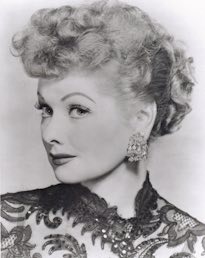 Lucille Ball
Arts, Business
1911
New York
2001
Lucille Ball
Arts, Business
1911
New York
2001
Lucille Ball
Undoubtedly one of the best known and best loved television comediennes of all time. The “I Love Lucy Show”, which began in 1951, is still shown in reruns in more than 70 countries around the world. She was a television pioneer who excelled both in the acting and the production aspects of television.
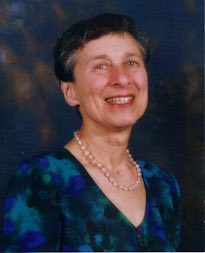 Barbara Holdridge
Arts, Business
1929
New York
2001
Barbara Holdridge
Arts, Business
1929
New York
2001
Barbara Holdridge
Barbara Holdridge is the co-founder of Caedmon Records, the first commercially successful project to record and distribute the works of living authors as well as recordings of past literary works by distinguished actors.
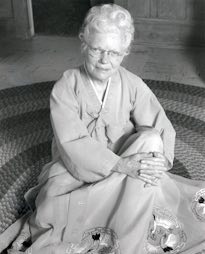 Bertha Holt
Humanities
1904
Iowa
2002
Bertha Holt
Humanities
1904
Iowa
2002
Bertha Holt
A pioneer in international adoption, Bertha and her husband adopted 8 Korean children in addition to their own 6 children. The Holt Adoption program, later called Holt International Children’s Services, was established in 1956 to help those interested in inter-country adoptions.
 Mary Engle Pennington
Science
1872
Tennessee
2002
Mary Engle Pennington
Science
1872
Tennessee
2002
Mary Engle Pennington
Chemist and refrigeration expert Mary Engle Pennington saved thousands of lives by creating national standards for milk and dairy inspection and improved the safety and convenience of refrigerated and frozen foods. She was also instrumental in developing safe and sanitary methods for the storage and handling of poultry, fish, and eggs, contributing techniques that solved humidity control problems, insulation and ventilation issues.
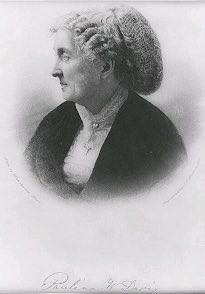 Paulina Kellogg Wright Davis
Humanities
1813
New York
2002
Paulina Kellogg Wright Davis
Humanities
1813
New York
2002
Paulina Kellogg Wright Davis
Born and raised in western New York, Davis headed the committee that organized the first National Women’s Rights Convention in Worcester, MA in 1850. She helped found the New England Women’s Suffrage Association and established Una, one of the first women’s rights newspapers.