Discover the Women of the Hall
These are the Inductees of the National Women’s Hall of Fame. Select any of the women to discover their stories and learn how they have influenced other women and this country.
 Mercy Otis Warren
Arts
1728
Massachusetts
2002
Mercy Otis Warren
Arts
1728
Massachusetts
2002
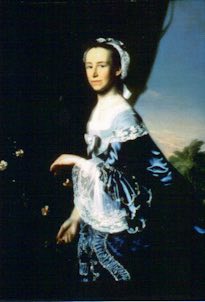
Mercy Otis Warren
Poet, dramatist, satirist and historian Mercy Otis Warren was widely known for using her pen to share her strong political views. She advocated for national independence and opposition to royal tyranny through works such as The Adulateur and The Group.
 Ruth Bader Ginsburg
Government
1933
New York
2002
Ruth Bader Ginsburg
Government
1933
New York
2002
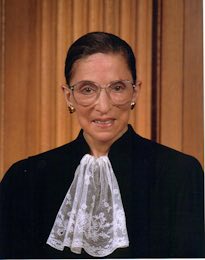
Ruth Bader Ginsburg
Supreme Court Justice Ruth Bader Ginsburg has spent her career working to eliminate gender-based stereotyping and discrimination. Justice Ginsburg is the second woman appointed to the United States Supreme Court in its 212 year history.
 Katharine Graham
Arts, Business
1917
New York
2002
Katharine Graham
Arts, Business
1917
New York
2002
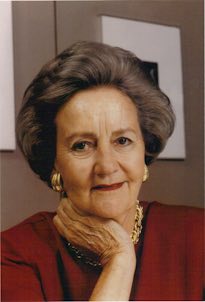
Katharine Graham
As publisher and then Board Chair and CEO of the Washington Post, Graham became one of the most influential women in the country. Her courageous decisions to publish the Pentagon Papers and to proceed with the Watergate investigation earned her a reputation as a daring and thorough journalist, willing to take risks in order to give the American people full access to important information.
 Beatrice A. Hicks
Science
1919
New Jersey
2001
Beatrice A. Hicks
Science
1919
New Jersey
2001
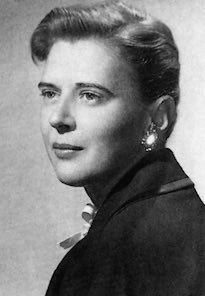
Beatrice A. Hicks
Engineer, inventor, and business owner, Beatrice Hicks was a pioneer in gaining recognition for women engineers at a time when less than 1% of all U.S. employed engineers were women. She was a founding member and first president of the Society of Women Engineers (1950), which now has a membership of more than 16,000.
 Lucille Ball
Arts, Business
1911
New York
2001
Lucille Ball
Arts, Business
1911
New York
2001
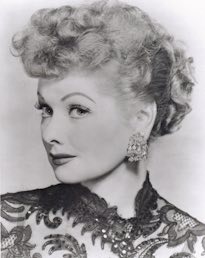
Lucille Ball
Undoubtedly one of the best known and best loved television comediennes of all time. The “I Love Lucy Show”, which began in 1951, is still shown in reruns in more than 70 countries around the world. She was a television pioneer who excelled both in the acting and the production aspects of television.
 Barbara Holdridge
Arts, Business
1929
New York
2001
Barbara Holdridge
Arts, Business
1929
New York
2001
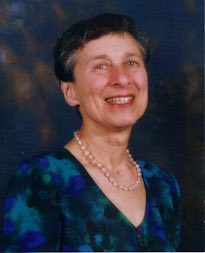
Barbara Holdridge
Barbara Holdridge is the co-founder of Caedmon Records, the first commercially successful project to record and distribute the works of living authors as well as recordings of past literary works by distinguished actors.
 Eleanor Rosalynn Smith Carter
Humanities
1926
Georgia
2001
Eleanor Rosalynn Smith Carter
Humanities
1926
Georgia
2001
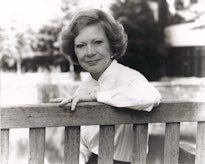
Eleanor Rosalynn Smith Carter
Former First Lady (1977-1981), Rosalynn Carter was an advocate for mental health, early childhood immunizations, human rights, conflict resolution, and health promotion worldwide.
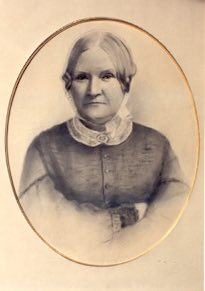 Lydia Maria Child
Humanities
1802
Massachusetts
2001
Lydia Maria Child
Humanities
1802
Massachusetts
2001
Lydia Maria Child
Author and social reformer, Lydia Maria Child spent a lifetime crusading for the abolition of slavery and supporting women’s suffrage. As the author of more than 40 books and the editor of eleven publications, she was always addressing the main issues of 19th century America.
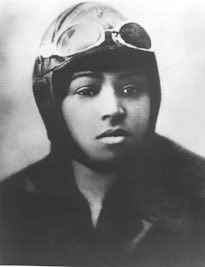 Bessie Coleman
Science
1892
Texas
2001
Bessie Coleman
Science
1892
Texas
2001
Bessie Coleman
The first licensed black female aviator. She earned her international pilot’s license in 1921 and gained fame during the next five years for her air acrobatics and highflying stunts. She dreamed of starting a school to train black aviators.
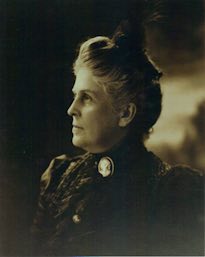 Harriet Williams Russell Strong
Business
1844
New York
2001
Harriet Williams Russell Strong
Business
1844
New York
2001
Harriet Williams Russell Strong
An inventor of water-conservation techniques, she was also a very successful businesswoman. Her water irrigation systems are credited with being one of the factors in the development of southern California as a major agricultural region.
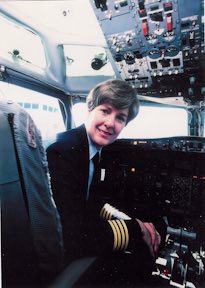 Emily Howell Warner
Science
1939
Colorado
2001
Emily Howell Warner
Science
1939
Colorado
2001
Emily Howell Warner
In 1973, Emily Warner became the first American female commercial airline pilot when Frontier Airlines broke the barrier against hiring women pilots. She later became the nation’s first woman airline captain, also at Frontier Airlines.
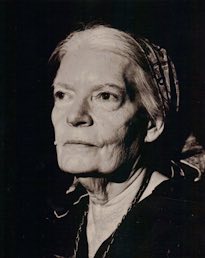 Dorothy Day
Humanities
1897
New York
2001
Dorothy Day
Humanities
1897
New York
2001
Dorothy Day
Widely considered one of the great Catholic lay leaders of the 20th century. As co-founder of The Catholic Worker, Day spearheaded the movement that continues to promote pacifism, civil rights, and relief for the homeless.
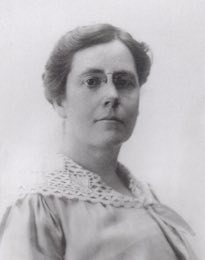 Marian de Forest
Arts, Humanities
1864
New York
2001
Marian de Forest
Arts, Humanities
1864
New York
2001
Marian de Forest
Founder of Zonta (1919, Buffalo, NY), a worldwide organization of women business and professional leaders dedicated to improving the legal, political, and economic status of women. Membership now runs 35,000 with 1,214 clubs in 68 countries.
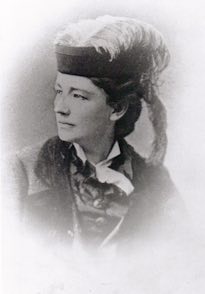 Victoria Woodhull
Humanities
1838
Ohio
2001
Victoria Woodhull
Humanities
1838
Ohio
2001
Victoria Woodhull
A 19th century reformer, Victoria Woodhull established a reputation as a radical freethinking reformer. She was a suffragist, author, political activist, and the first woman to run for President of the United States (1872).
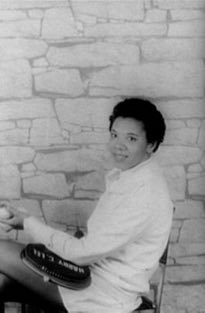 Althea Gibson
Athletics
1927
South Carolina
2001
Althea Gibson
Athletics
1927
South Carolina
2001
Althea Gibson
In 1957 Althea Gibson became the first African American tennis player to win at Wimbledon and Forest Hills. Her influence as a role model for aspiring athletes has been profound.
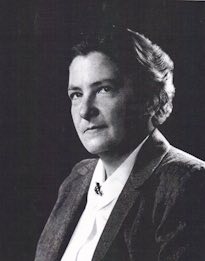 Dorothy H. Andersen
Science
1901
North Carolina
2001
Dorothy H. Andersen
Science
1901
North Carolina
2001
Dorothy H. Andersen
Pediatrician and pathologist who was the first to identify cystic fibrosis and developed a simple, definitive diagnostic test for the disease.
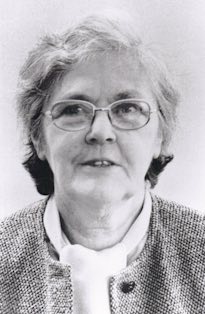 Frances Oldham Kelsey
Science
1914
Canada
2000
Frances Oldham Kelsey
Science
1914
Canada
2000
Frances Oldham Kelsey
A medical and pharmaceutical researcher for the Food and Drug Administration, she refused to approve the use of thalidomide in this country, saving countless babies from terrible deformities. As a result of her testimony before Congress, the 1962 drug act was passed, giving the FDA greater control over the manufacture, testing and distribution of drugs. During a career with the FDA which spanned over 39 years, her supervision of clinical investigators has institutionalized the protection of the patient in drug investigations.
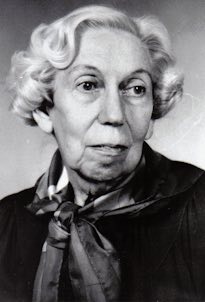 Eudora Welty
Arts
1909
Mississippi
2000
Eudora Welty
Arts
1909
Mississippi
2000
Eudora Welty
One of the most significant writers of the 20th century, Eudora Welty won many notable literary prizes, including the Pulitzer Prize for her novel The Optimist’s Daughter. Her work is marked by what critic Jonathan Yardley called an “abiding tolerance…a refusal to pass judgment on the actors in the human comedy,” and it transcends generations and national boundaries. In 1998, the Library of America recognized her literary accomplishments by honoring her as the first living author published in the prestigious Library of America series.
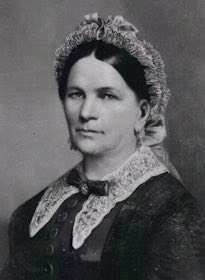 Sophia Smith
Education, Philanthropy
1796
Massachusetts
2000
Sophia Smith
Education, Philanthropy
1796
Massachusetts
2000
Sophia Smith
Born to a family known for its frugality and thrift, she was left at the age of 65 as the sole survivor of her immediate family, and with the funds to endow the establishment of Smith College, an institution that she hoped would provide undergraduate education for young women equal to that provided at the time for young men.
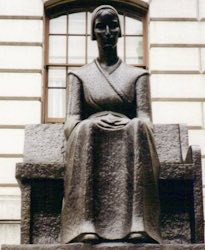 Mary Barret Dyer
Humanities
1611
England
2000
Mary Barret Dyer
Humanities
1611
England
2000
Mary Barret Dyer
Disenfranchised and banished from the Massachusetts Bay Colony along with Anne Hutchinson, she moved back to England, where she became a protégé of George Fox, the founder of Quakerism. Returning to Boston, she was arrested, imprisoned and expelled for preaching the Quaker faith. Returning to Boston again and again, she stood beside other condemned Quakers and finally was herself arrested and hanged. Her martyr’s death contributed to the move for religious tolerance in the colonies.
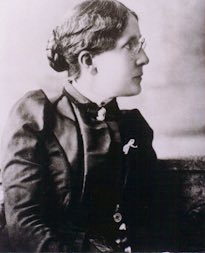 Frances E. Willard
Humanities
1839
New York
2000
Frances E. Willard
Humanities
1839
New York
2000
Frances E. Willard
As second president of the Women’s Christian Temperance Union (WCTU), she led the largest organization of women in the United States. The WCTU provided a base for the 20th century women’s rights movement, supporting, in addition to women’s suffrage, broad social reforms such as equal pay for equal work, the eight hour day, and the protection of women and children in the workplace.
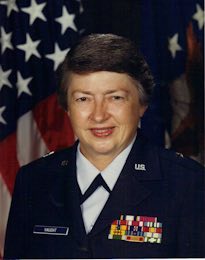 Wilma L. Vaught
Government
1930
Illinois
2000
Wilma L. Vaught
Government
1930
Illinois
2000
Wilma L. Vaught
One of the most decorated military women in U.S. history, Brigadier General Vaught, USAF, Retired, broke through many gender barriers to achieve a series of “firsts” that paved the way for military women serving today. She may be best known and most revered for her 12-year quest to permanently honor women in the military, raising over $45 million to build a major national memorial. The stunning 33,000 sq. ft. Women in Military Service for America Memorial facility and education center stands today at the gateway to Arlington National Cemetery.
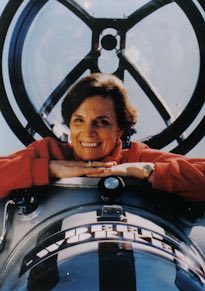 Sylvia A. Earle
Science
1935
New Jersey
2000
Sylvia A. Earle
Science
1935
New Jersey
2000
Sylvia A. Earle
An undersea explorer since age 13, Earle became an internationally recognized marine biologist, author, lecturer and scientific consultant. Denied the opportunity to participate in the U.S. Navy “Tektite Project” to study the ocean, she founded “Tektite II”, an all-female expedition that spent two weeks exploring the ocean floor. The founder of two companies to design and build undersea vehicles, she is chief scientist and consultant to oceanographic and marine research centers throughout the world.
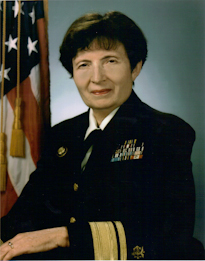 Faye Glenn Abdellah
Science
1919
New York
2000
Faye Glenn Abdellah
Science
1919
New York
2000
Faye Glenn Abdellah
First nurse to hold the rank of Rear Admiral and the title of Deputy Surgeon General for the United States. She developed the first tested coronary care unit. A national pioneer in nursing research, she has authored or co-authored more than 150 publications and helped change the focus of nursing from disease-centered to patient-centered.