Discover the Women of the Hall
These are the Inductees of the National Women’s Hall of Fame. Select any of the women to discover their stories and learn how they have influenced other women and this country.
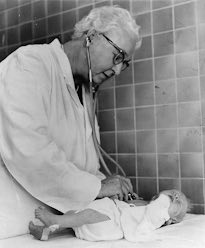 Virginia Apgar
Science
1909
New Jersey
1995
Virginia Apgar
Science
1909
New Jersey
1995
Virginia Apgar
Physician best known for development of the Apgar Score in 1952. This system of simple tests is used to determine whether a newborn child requires special medical attention, and it has saved thousands of lives.
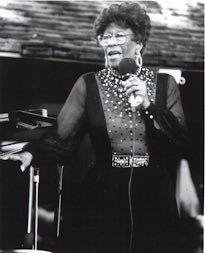 Ella Fitzgerald
Arts
1917
Virginia
1995
Ella Fitzgerald
Arts
1917
Virginia
1995
Ella Fitzgerald
World-renowned jazz singer and the first pop musician awarded the Lincoln Center Medallion. At 15, she entered a talent contest to dance. Her knees shook so much during the contest, she chose to sing instead and was discovered by a Chick Webb band member.
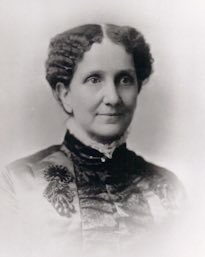 Mary Baker Eddy
Humanities
1821
New Hampshire
1995
Mary Baker Eddy
Humanities
1821
New Hampshire
1995
Mary Baker Eddy
The only American woman to found a lasting American-based religion, the Church of Christ (Scientist). Her personal struggles led her to believe in a system of prayer-based healing. In 1908, two years before her death at 89 she started The Christian Science Monitor.
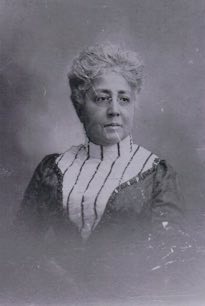 Josephine St. Pierre Ruffin
Humanities
1842
1995
Josephine St. Pierre Ruffin
Humanities
1842
1995
Josephine St. Pierre Ruffin
African American leader from New England. Ruffin was a suffragist, fought slavery, and founded several organizations for African American women, including the Boston branch of the NAACP and the League of Women for Community Service.
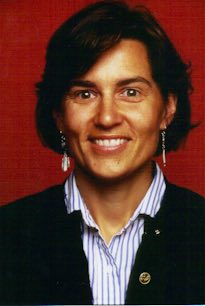 Ann Bancroft
Education, Science
1955
Minnesota
1995
Ann Bancroft
Education, Science
1955
Minnesota
1995
Ann Bancroft
First woman to travel across the ice to the North and South Poles. She was the first woman to travel across Greenland on skis, and in 1993, was leader of the American Women’s Expedition, a group of four who skied more than 600 miles to the South Pole.
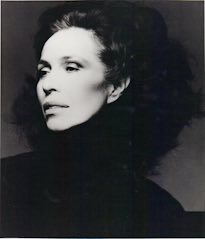 Maria Tallchief
Arts
1925
Oklahoma
1996
Maria Tallchief
Arts
1925
Oklahoma
1996
Maria Tallchief
Prima ballerina with the New York City Ballet and artistic director for the Lyric Opera Ballet in Chicago. Tallchief created a distinctive style and interpretation which continues to influence contemporary ballet. She used her international acclaim to bring about greater understanding and appreciation of Native Americans.
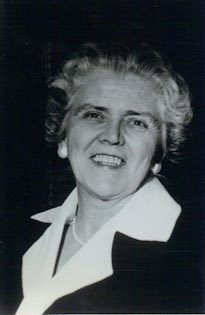 Mary A. Hallaren
Government
1907
1996
Mary A. Hallaren
Government
1907
1996
Mary A. Hallaren
Leader who, as Director of the Women’s Army Corps, championed permanent status for women in the military after World War II. Later, as Director of Women in Community Service, Hallaren advocated employment opportunities for at-risk women.
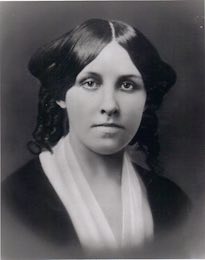 Louisa May Alcott
Arts
1832
Pennsylvania
1996
Louisa May Alcott
Arts
1832
Pennsylvania
1996
Louisa May Alcott
Author who produced the first literature for the mass market of juvenile girls in the 19th century. Her best-known work, Little Women, has appeared continuously in print since its first publication in 1868-69.
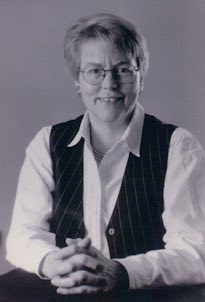 Charlotte Anne Bunch
Education, Humanities
1944
North Carolina
1996
Charlotte Anne Bunch
Education, Humanities
1944
North Carolina
1996
Charlotte Anne Bunch
Founder and director of the Center for Women’s Global Leadership at Rutgers University. Bunch has helped shape the global feminist movement and created consciousness about gender-based human rights. She is also a leader in national and international networking and advocacy for women.
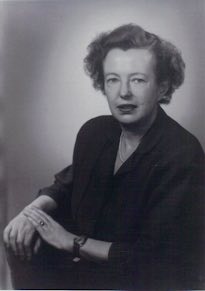 Maria Goeppert-Mayer
Science
1906
Germany
1996
Maria Goeppert-Mayer
Science
1906
Germany
1996
Maria Goeppert-Mayer
First U.S. woman and second woman ever to win the Nobel Prize in Physics. The Prize was awarded for developing the shell model of the nucleus of the atom, the basic model for the description of nuclear properties. Mayer was also a member of the team that first isolated fissionable uranium 235.
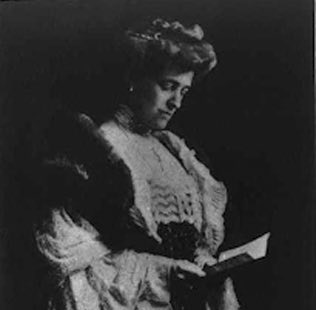 Edith Wharton
Arts
1862
New York
1996
Edith Wharton
Arts
1862
New York
1996
Edith Wharton
American novelist and short story writer of the 20th century. The first woman to receive the Pulitzer Prize for fiction (for The Age of Innocence, 1929), Wharton was a prolific writer who averaged more than a book a year after the age of 40 until her death.
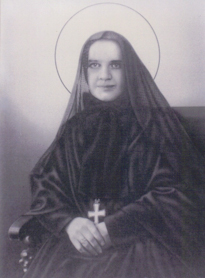 St. Frances Xavier Cabrini
Humanities
1850
Italy
1996
St. Frances Xavier Cabrini
Humanities
1850
Italy
1996
St. Frances Xavier Cabrini
Established orphanages, day care centers, schools, clinics and hospitals for immigrants in the United States and around the world. She established a missionary order of women and was the first American citizen to be canonized a saint.
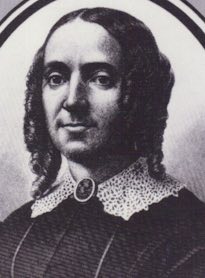 Ernestine Louise Potowski Rose
Humanities
1810
1996
Ernestine Louise Potowski Rose
Humanities
1810
1996
Ernestine Louise Potowski Rose
Early advocate for women’s rights, traveling for more than three decades giving eloquent speeches and seeking petition signatures. Rose sought women’s rights, the abolition of slavery and many other reforms before others took up the causes. From 1835 through 1869, she was often the first woman to speak in public on many platforms.
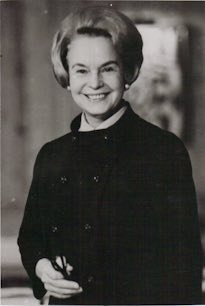 Oveta Culp Hobby
Government
1905
1996
Oveta Culp Hobby
Government
1905
1996
Oveta Culp Hobby
Shaped the development of two major government institutions as first Director of the Women’s Army Corps and first Secretary of the Department of Health, Education and Welfare. She was the first female to attain the rank of United States Colonel and the only woman to serve in President Dwight D. Eisenhower’s cabinet.
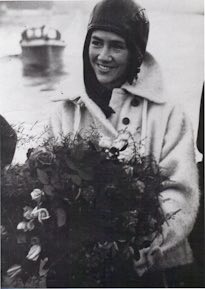 Anne Morrow Lindbergh
Arts, Science
1906
1996
Anne Morrow Lindbergh
Arts, Science
1906
1996
Anne Morrow Lindbergh
Author of numerous elegant essays, journals and other books. Lindbergh also excelled as co-pilot and navigator with her husband Charles on their historic flights to promote the development of international aviation.
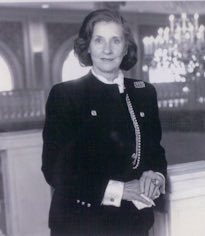 Wilhelmina Cole Holladay
Arts, Business, Philanthropy
1922
1996
Wilhelmina Cole Holladay
Arts, Business, Philanthropy
1922
1996
Wilhelmina Cole Holladay
Founder of the National Museum of Women in the Arts in Washington, D.C., which brings national and international attention to the vast achievements of women in art.
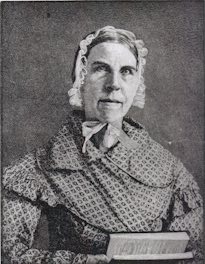 Sarah Grimké
Humanities
1792
South Carolina
1998
Sarah Grimké
Humanities
1792
South Carolina
1998
Sarah Grimké
Along with Angelina Grimké Weld, who wrote numerous published papers which championed abolition and women’s rights. The Grimké sisters were southerners who became the first female speakers for the American Anti-Slavery Society. Sarah’s Letters on the Equality of the Sexes exposed the plight of factory women in New England, as well as arguing on behalf of women’s rights and abolition. Through their examples and their words, the Grimkés proved that women could affect the course of political events and have a far-reaching influence on society.
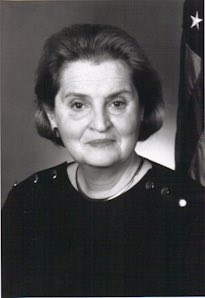 Madeleine Korbel Albright
Government
1937
Czechoslovakia
1998
Madeleine Korbel Albright
Government
1937
Czechoslovakia
1998
Madeleine Korbel Albright
First female Secretary of State and highest ranking woman in the U.S. government under President Clinton. As a professor at Georgetown University, she taught undergraduate and graduate courses in international affairs and Russian and Central and Eastern European politics. In President Clinton’s first term, she was the U.S. Permanent Representative to the United Nations and a member of the National Security Council.
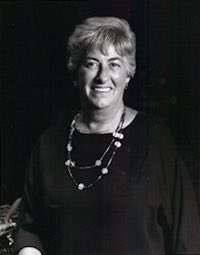 Rozanne L. Ridgway
Government
1935
Minnesota
1998
Rozanne L. Ridgway
Government
1935
Minnesota
1998
Rozanne L. Ridgway
Foreign policy advisor under six consecutive U.S. presidents from Richard Nixon to William Clinton. Beginning in 1975, she served as Deputy Assistant Secretary of State; her last appointment was Assistant Secretary of State for European and Canadian Affairs. A former Chair of the Atlantic Council of the U.S., a foreign policy think tank, her work has spanned almost four decades.
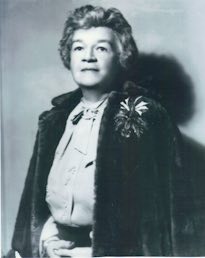 Edith Nourse Rogers
Government
1881
Maine
1998
Edith Nourse Rogers
Government
1881
Maine
1998
Edith Nourse Rogers
Massachusetts Congresswoman who introduced the “G.I. Bill of Rights” Act and Women’s Army Auxiliary Corp (WAC) legislation. The “Bill of Rights” guaranteed veterans’ health and education benefits (also small business loans). In addition, it supported research and development of prosthetic appliances. Rogers pushed for equality for women in and out of military until her death.
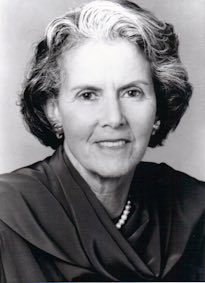 Felice N. Schwartz
Business
1925
New York
1998
Felice N. Schwartz
Business
1925
New York
1998
Felice N. Schwartz
Founder in 1962 of Catalyst, the premier organization working with corporations to foster women’s leadership. She published studies (Women in Corporate Leadership in 1990 and Women in Engineering in 1992) illustrating the barriers to women’s workplace progress and then provided samples of model corporate practices to help women advance. Her work has had a lasting impact on the composition of American corporate leadership.
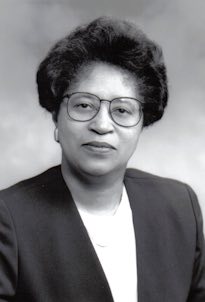 Shirley Ann Jackson
Education, Science
1946
District of Columbia
1998
Shirley Ann Jackson
Education, Science
1946
District of Columbia
1998
Shirley Ann Jackson
First woman to chair the United States Nuclear Regulatory Commission and the first African American woman to serve on the Commission. Elected a Fellow of the American Physical Society for her contribution to physical science, she became an advocate for women in the areas of science, education and public policy. As Chair of NRC, she rearticulated the vision of the NRC to include reaffirmation of the basic health and safety mission of the agency.
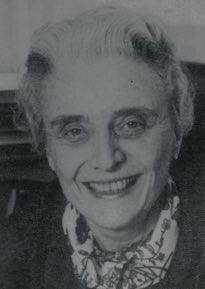 Mary Steichen Calderone
Education, Humanities
1904
France
1998
Mary Steichen Calderone
Education, Humanities
1904
France
1998
Mary Steichen Calderone
Pioneering sex educator and acknowledged “mother of sex education.” She established the Sex Information and Education Council of the United States, which established sexuality as a healthy entity. Dr. Calderone was President of the SIECUS board, as well as author and co-author of several books, professional journals and magazine articles.
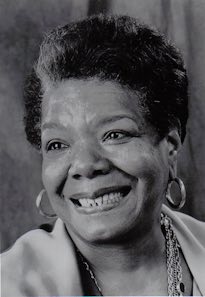 Maya Angelou
Arts
1928
Missouri
1998
Maya Angelou
Arts
1928
Missouri
1998
Maya Angelou
Poet, author and early Civil Rights advocate. Angelou’s early career was in the theater, and she co-wrote Cabaret for Freedom to raise funds for the Southern Christian Leadership Conference, for which she later became northern coordinator. She raised social consciousness through writings such as I Know Why the Caged Bird Sings and The Heart of a Woman. She was a nominee for a Tony, an Emmy, and a Pulitzer Prize.