Discover the Women of the Hall
These are the Inductees of the National Women’s Hall of Fame. Select any of the women to discover their stories and learn how they have influenced other women and this country.
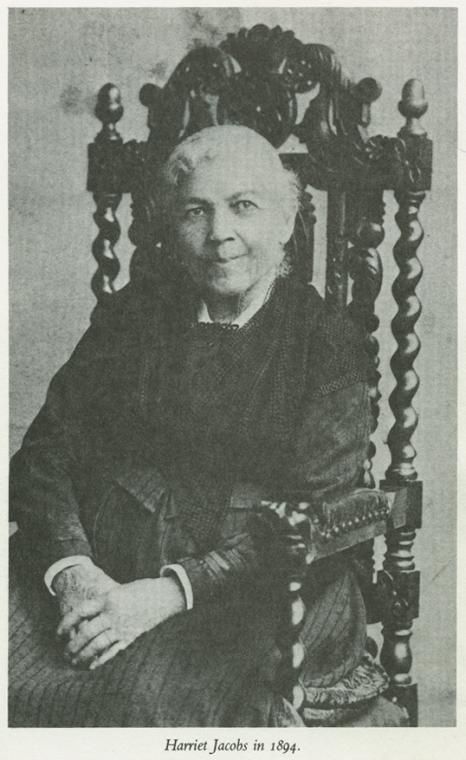 Harriet Jacobs
Humanities
1813
2026
 Martha Matilda Harper
Business
1857
Canada
2003
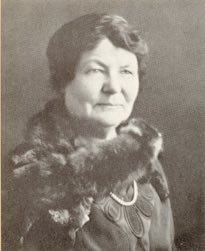
Martha Matilda Harper
After 25 years of low-wage service, Martha Matilda Harper started a beauty products system called the Harper Method, eventually realizing over 500 franchises world-wide in the 1920s. Harper is credited with creating the modern retail franchising method. She was also known as a social justice advocate ahead of her time, offering evening hours for working women, profit-sharing and personal time off. She refused to use permanents or hair dyes in her salons because of the associated chemicals.
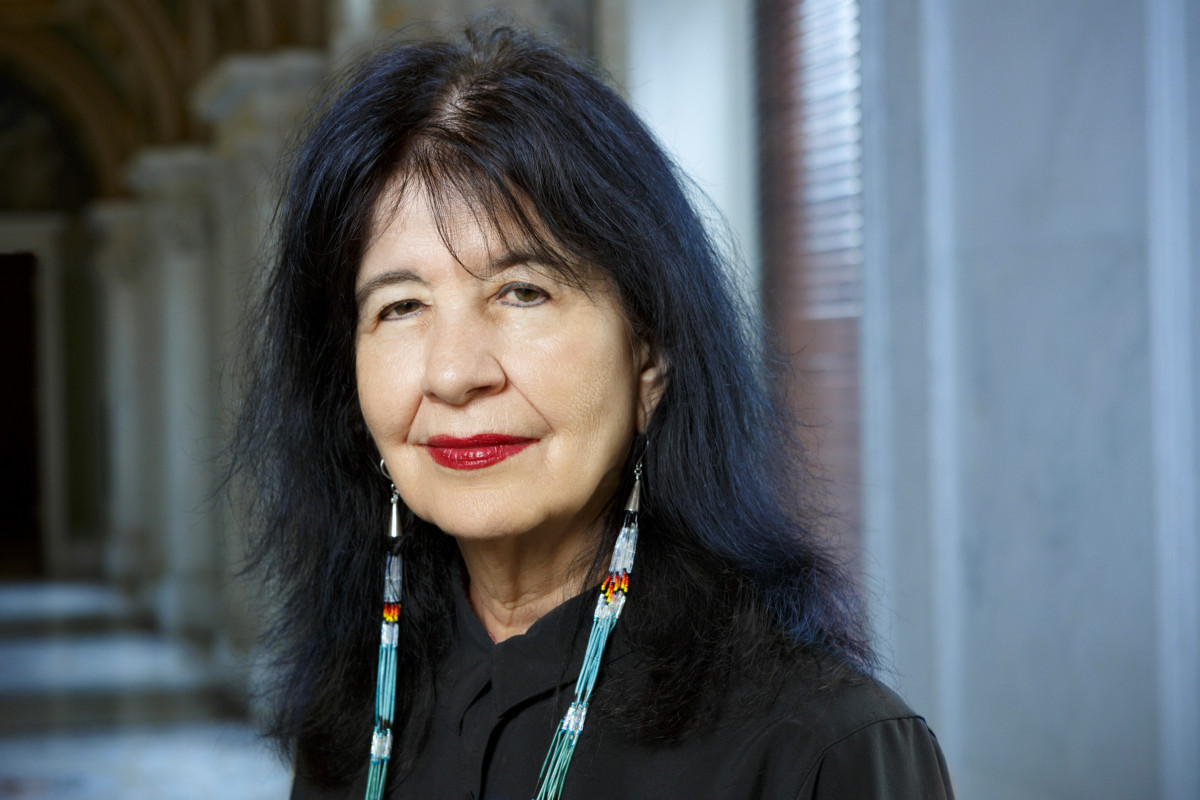 Joy Harjo
Arts
1951
Oklahoma
2021
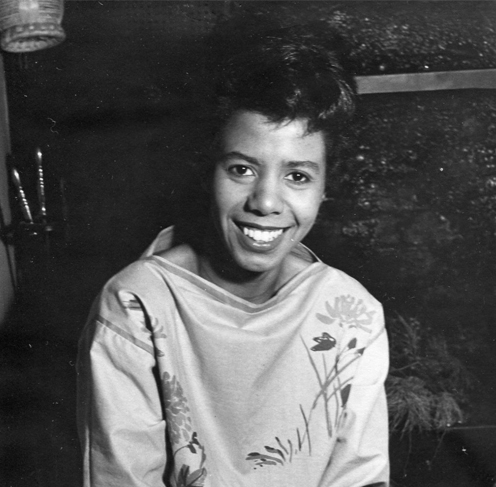 Lorraine Hansberry
Arts, Humanities
1930
Illinois
2017
Lorraine Hansberry
A groundbreaking playwright and essayist best known as the author of A Raisin in the Sun, which ensured a place for the Black experience in American theatre. She was the first Black woman to have a show produced on Broadway, the first Black playwright and the youngest American to receive the prestigious New York Drama Critics’ Circle Award for Best American Play, and the first Black American to win the distinguished Drama Desk Award.
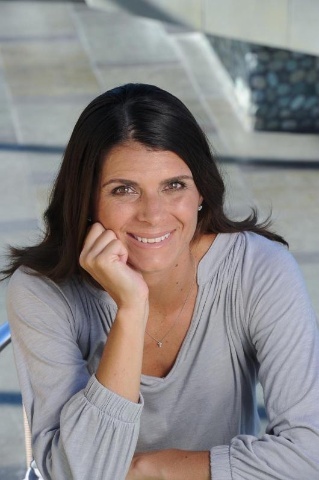 Mia Hamm
Athletics
1972
Alabama
2021
Mia Hamm
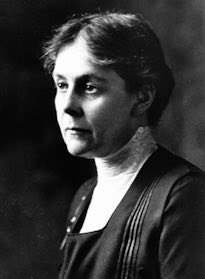 Alice Hamilton
Science
1869
Indiana
1973
Alice Hamilton
Physician pathologist who specialized in industrial diseases. Hamilton helped save workers’ lives by forcing reforms in the workplace and protection from dangers such as lead poisoning.
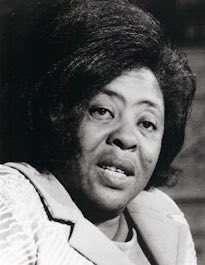 Fannie Lou Hamer
Humanities
1917
Mississippi
1993
Fannie Lou Hamer
Mississippi sharecropper and organizer of the Mississippi Freedom Party, which challenged the white domination of the Democratic Party. Hamer succeeded in integrating the state delegation, and she was a tireless champion for poor minorities in her state and nationwide.
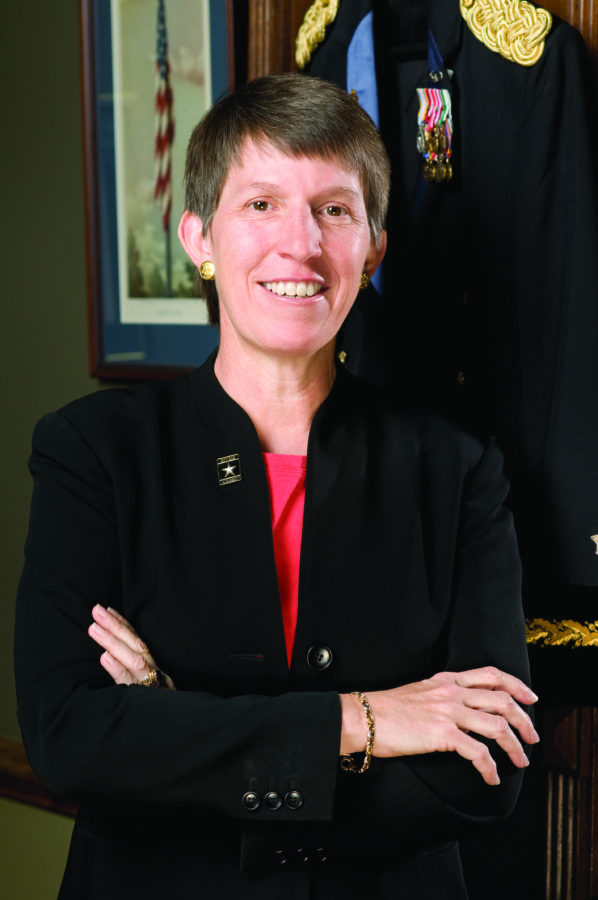 Rebecca Halstead
Government
1959
New York
2021
Rebecca Halstead
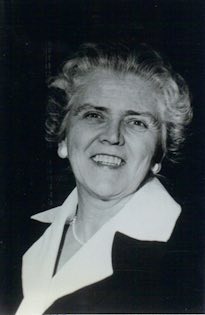 Mary A. Hallaren
Government
1907
1996
Mary A. Hallaren
Leader who, as Director of the Women’s Army Corps, championed permanent status for women in the military after World War II. Later, as Director of Women in Community Service, Hallaren advocated employment opportunities for at-risk women.
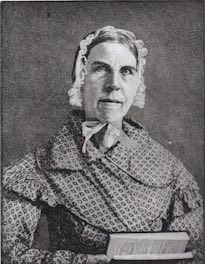 Sarah Grimké
Humanities
1792
South Carolina
1998
Sarah Grimké
Along with Angelina Grimké Weld, who wrote numerous published papers which championed abolition and women’s rights. The Grimké sisters were southerners who became the first female speakers for the American Anti-Slavery Society. Sarah’s Letters on the Equality of the Sexes exposed the plight of factory women in New England, as well as arguing on behalf of women’s rights and abolition. Through their examples and their words, the Grimkés proved that women could affect the course of political events and have a far-reaching influence on society.
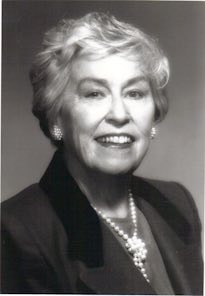 Martha Wright Griffiths
Government
1912
Missouri
1993
Martha Wright Griffiths
Congresswoman from Michigan 1955-1975, best known for successfully adding sex discrimination as a prohibited act in the 1964 Civil Rights Act. Griffiths also successfully led the Equal Rights Amendment passage in the House of Representatives.
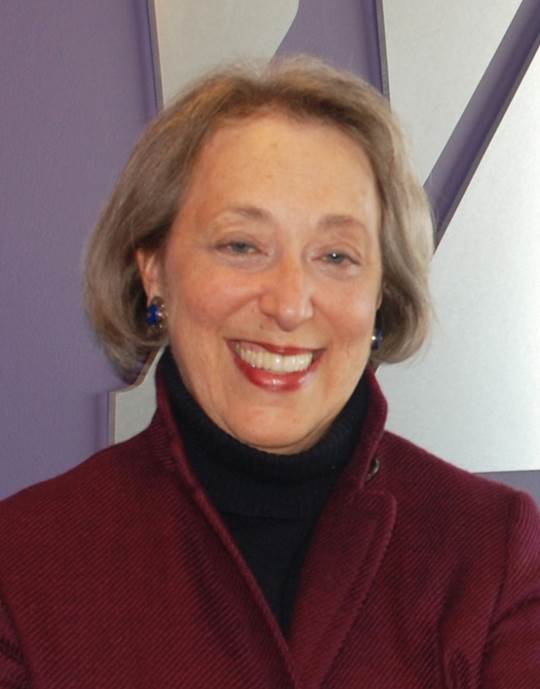 Marcia Greenberger
Humanities
1946
United States of America
2015
Marcia Greenberger
The founder and co-president of the National Women’s Law Center, Marcia Greenberger has been a leader in developing strategies to secure the successful passage of legislation protecting women and counsel for landmark litigation establishing new legal precedents for women.
 Ella Grasso
Government
1919
Connecticut
1993
Ella Grasso
First woman elected a state governor in her own right. Grasso was elected Governor of Connecticut in 1974, serving until illness forced her retirement in 1980. She was also a Congresswoman and advocate for women, minorities and the elderly.
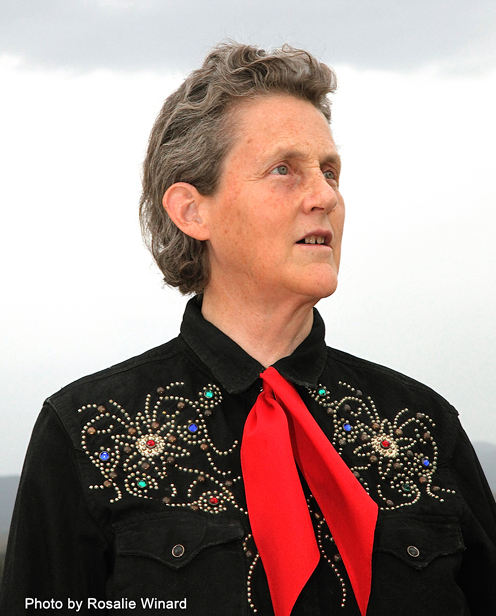 Temple Grandin
Education, Humanities, Science
1947
Massachusetts
2017
Temple Grandin
An animal sciences innovator and champion of farm animal welfare whose masterly designs for livestock handling systems transformed the industry and are used worldwide today. Her life and work have “revolutionized the study of autism,” as she had applied her insights gained from her own experience with autism to conceptualize equipment that reduces animal stress during the livestock handling process.
 Martha Graham
Arts
1894
Pennsylvania
2015
Martha Graham
One of the greatest artists of the 20th century, she created a new dance language. Named Dancer of the Century, she was the first dancer to perform at the White House and to act as a cultural ambassador abroad.
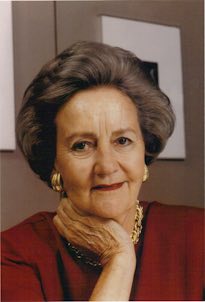 Katharine Graham
Arts, Business
1917
New York
2002
Katharine Graham
As publisher and then Board Chair and CEO of the Washington Post, Graham became one of the most influential women in the country. Her courageous decisions to publish the Pentagon Papers and to proceed with the Watergate investigation earned her a reputation as a daring and thorough journalist, willing to take risks in order to give the American people full access to important information.
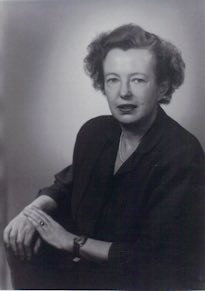 Maria Goeppert-Mayer
Science
1906
Germany
1996
Maria Goeppert-Mayer
First U.S. woman and second woman ever to win the Nobel Prize in Physics. The Prize was awarded for developing the shell model of the nucleus of the atom, the basic model for the description of nuclear properties. Mayer was also a member of the team that first isolated fissionable uranium 235.
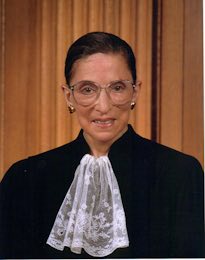 Ruth Bader Ginsburg
Government
1933
New York
2002
Ruth Bader Ginsburg
Supreme Court Justice Ruth Bader Ginsburg has spent her career working to eliminate gender-based stereotyping and discrimination. Justice Ginsburg is the second woman appointed to the United States Supreme Court in its 212 year history.
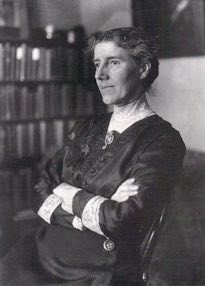 Charlotte Perkins Gilman
Arts
1860
Connecticut
1994
Charlotte Perkins Gilman
Philosopher, writer, educator and activist who demanded equal treatment for women as the best means to advance society’s progress. Her landmark Women and Economics (1898) argued that until women gained economic independence, real autonomy and equity could not be achieved.
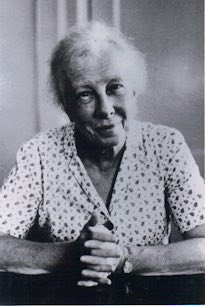 Lillian Moller Gilbreth
Science
1878
California
1995
Lillian Moller Gilbreth
Industrial engineer and expert in motion studies, Gilbreth was a pioneer in the relationship between engineering and human relations. She convinced managers that worker-efficiency is the result of the quality of the work environment.
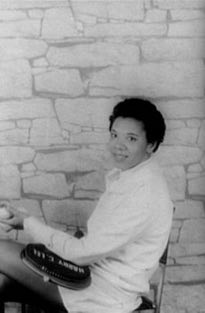 Althea Gibson
Athletics
1927
South Carolina
2001
Althea Gibson
In 1957 Althea Gibson became the first African American tennis player to win at Wimbledon and Forest Hills. Her influence as a role model for aspiring athletes has been profound.
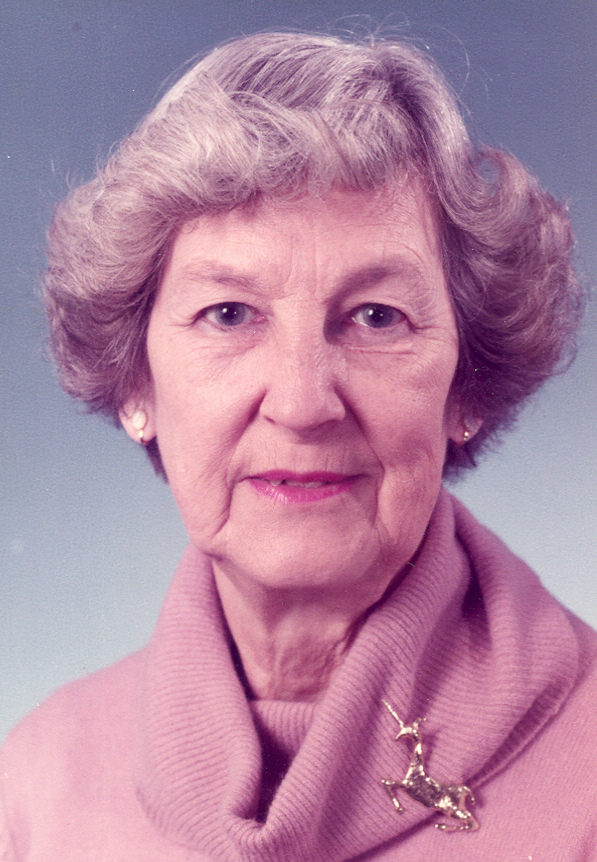 Georgeanna Emory Seegar Jones
Science
1912
2026
Georgeanna Emory Seegar Jones
 Ina May Gaskin
Science
1940
Iowa
2013
Ina May Gaskin
A certified professional midwife who has attended more than 1,200 births, Ina May Gaskin is known as the “mother of authentic midwifery.” In 1971, Gaskin founded the Farm Midwifery Center in rural Tennessee and effectively demonstrated that home birth midwives could be well prepared for their profession without first being educated as obstetric nurses. During a stay in Guatemala in 1976, Gaskin learned a technique for preventing and resolving shoulder dystocia during birth. After using the method with great success, Gaskin began to teach it and publish articles about the method. Now referred to as the Gaskin maneuver, it is the first obstetrical maneuver to be named after a midwife. Gaskin is the author of four books, including Spiritual Midwifery (1975), the first text written by a midwife published in the United States.
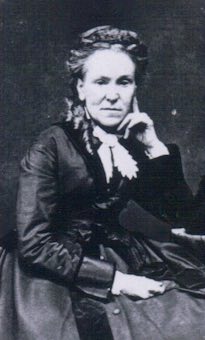 Matilda Joslyn Gage
Humanities
1826
New York
1995
Matilda Joslyn Gage
Best known as the co-author (with Elizabeth Cady Stanton and Susan B. Anthony) of The History of Women’s Suffrage. She served in the National Women’s Suffrage Association and helped form suffrage groups in order to gain the right to vote for women.