Discover the Women of the Hall
These are the Inductees of the National Women’s Hall of Fame. Select any of the women to discover their stories and learn how they have influenced other women and this country.
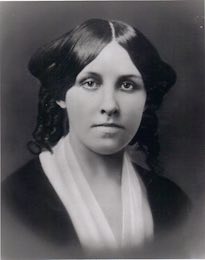 Louisa May Alcott
Arts
1832
Pennsylvania
1996
Louisa May Alcott
Arts
1832
Pennsylvania
1996
Louisa May Alcott
Author who produced the first literature for the mass market of juvenile girls in the 19th century. Her best-known work, Little Women, has appeared continuously in print since its first publication in 1868-69.
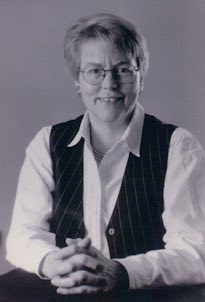 Charlotte Anne Bunch
Education, Humanities
1944
North Carolina
1996
Charlotte Anne Bunch
Education, Humanities
1944
North Carolina
1996
Charlotte Anne Bunch
Founder and director of the Center for Women’s Global Leadership at Rutgers University. Bunch has helped shape the global feminist movement and created consciousness about gender-based human rights. She is also a leader in national and international networking and advocacy for women.
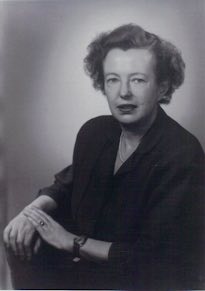 Maria Goeppert-Mayer
Science
1906
Germany
1996
Maria Goeppert-Mayer
Science
1906
Germany
1996
Maria Goeppert-Mayer
First U.S. woman and second woman ever to win the Nobel Prize in Physics. The Prize was awarded for developing the shell model of the nucleus of the atom, the basic model for the description of nuclear properties. Mayer was also a member of the team that first isolated fissionable uranium 235.
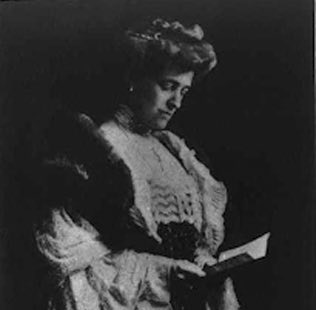 Edith Wharton
Arts
1862
New York
1996
Edith Wharton
Arts
1862
New York
1996
Edith Wharton
American novelist and short story writer of the 20th century. The first woman to receive the Pulitzer Prize for fiction (for The Age of Innocence, 1929), Wharton was a prolific writer who averaged more than a book a year after the age of 40 until her death.
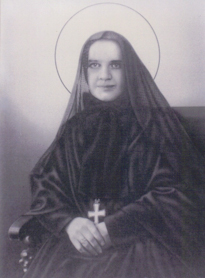 St. Frances Xavier Cabrini
Humanities
1850
Italy
1996
St. Frances Xavier Cabrini
Humanities
1850
Italy
1996
St. Frances Xavier Cabrini
Established orphanages, day care centers, schools, clinics and hospitals for immigrants in the United States and around the world. She established a missionary order of women and was the first American citizen to be canonized a saint.
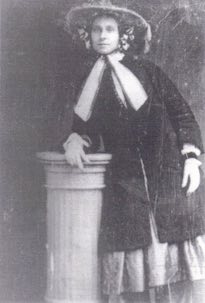 Amelia Bloomer
Humanities
1818
New York
1995
Amelia Bloomer
Humanities
1818
New York
1995
Amelia Bloomer
First woman to own, operate and edit a newspaper for women, The Lily. First published in 1849 in Seneca Falls, New York, it became a recognized forum for women’s rights issues. She often wore full-cut pantaloons under a short skirt, giving birth to the term “bloomers.”
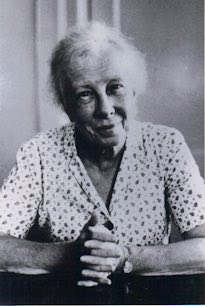 Lillian Moller Gilbreth
Science
1878
California
1995
Lillian Moller Gilbreth
Science
1878
California
1995
Lillian Moller Gilbreth
Industrial engineer and expert in motion studies, Gilbreth was a pioneer in the relationship between engineering and human relations. She convinced managers that worker-efficiency is the result of the quality of the work environment.
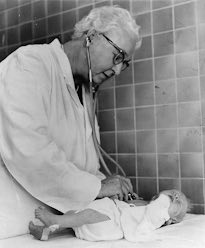 Virginia Apgar
Science
1909
New Jersey
1995
Virginia Apgar
Science
1909
New Jersey
1995
Virginia Apgar
Physician best known for development of the Apgar Score in 1952. This system of simple tests is used to determine whether a newborn child requires special medical attention, and it has saved thousands of lives.
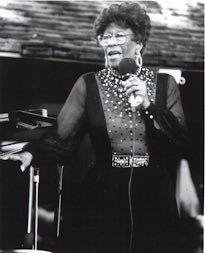 Ella Fitzgerald
Arts
1917
Virginia
1995
Ella Fitzgerald
Arts
1917
Virginia
1995
Ella Fitzgerald
World-renowned jazz singer and the first pop musician awarded the Lincoln Center Medallion. At 15, she entered a talent contest to dance. Her knees shook so much during the contest, she chose to sing instead and was discovered by a Chick Webb band member.
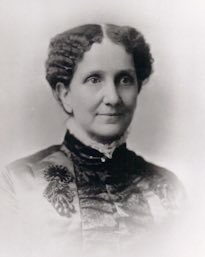 Mary Baker Eddy
Humanities
1821
New Hampshire
1995
Mary Baker Eddy
Humanities
1821
New Hampshire
1995
Mary Baker Eddy
The only American woman to found a lasting American-based religion, the Church of Christ (Scientist). Her personal struggles led her to believe in a system of prayer-based healing. In 1908, two years before her death at 89 she started The Christian Science Monitor.
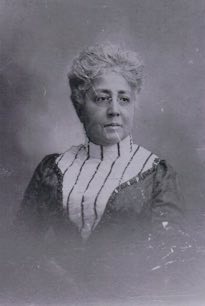 Josephine St. Pierre Ruffin
Humanities
1842
1995
Josephine St. Pierre Ruffin
Humanities
1842
1995
Josephine St. Pierre Ruffin
African American leader from New England. Ruffin was a suffragist, fought slavery, and founded several organizations for African American women, including the Boston branch of the NAACP and the League of Women for Community Service.
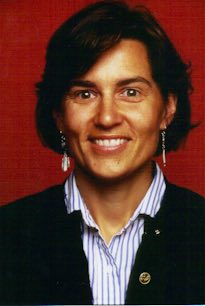 Ann Bancroft
Education, Science
1955
Minnesota
1995
Ann Bancroft
Education, Science
1955
Minnesota
1995
Ann Bancroft
First woman to travel across the ice to the North and South Poles. She was the first woman to travel across Greenland on skis, and in 1993, was leader of the American Women’s Expedition, a group of four who skied more than 600 miles to the South Pole.
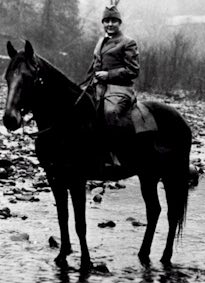 Mary Breckinridge
Science
1881
Tennessee
1995
Mary Breckinridge
Science
1881
Tennessee
1995
Mary Breckinridge
The United States foremost pioneer in the development of midwifery and provision of care to rural areas. Breckinridge founded the Frontier Nursing Service.
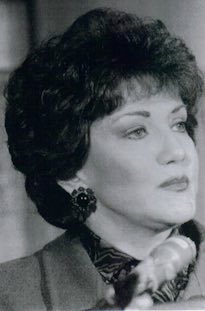 Elizabeth Hanford Dole
Government, Humanities
1936
North Carolina
1995
Elizabeth Hanford Dole
Government, Humanities
1936
North Carolina
1995
Elizabeth Hanford Dole
First woman to hold two cabinet positions as Secretary of Transportation under Ronald Reagan and Secretary of Labor for President George Bush. Dole later became President of the American Red Cross.
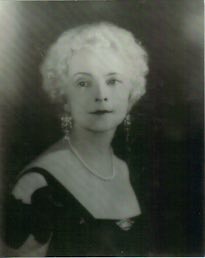 Anne Dallas Dudley
Humanities
1876
Tennessee
1995
Anne Dallas Dudley
Humanities
1876
Tennessee
1995
Anne Dallas Dudley
Political activist central to the campaign to pass the 19th Amendment to the U.S. Constitution. Serving as National Campaign Director as well as in her home state of Tennessee, she led a march of 2,000 women in the South’s first suffrage parade in 1914.
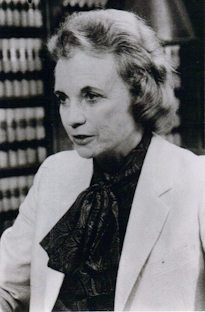 Sandra Day O'Connor
Government
1930
Texas
1995
Sandra Day O'Connor
Government
1930
Texas
1995
Sandra Day O'Connor
First woman appointed to the U.S. Supreme Court. Following successes as Assistant Attorney General and State Senator in Arizona, O’Connor was elected to Superior Court and then the Court of Appeals. She was named to the Supreme Court by President Ronald Regan.
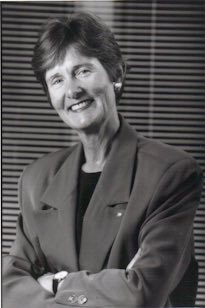 Nannerl O. Keohane
Education
1940
1995
Nannerl O. Keohane
Education
1940
1995
Nannerl O. Keohane
The first contemporary woman to head both a major women’s college (Wellesley) and a research university (Duke). Her efforts have increased minority student enrollment and improved faculty diversity.
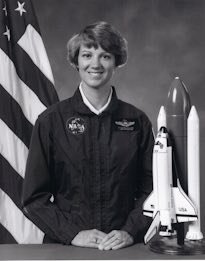 Eileen Collins
Science
1956
New York
1995
Eileen Collins
Science
1956
New York
1995
Eileen Collins
First American woman to pilot a spacecraft. A math teacher at the Air Force Academy and test pilot, Collins served as pilot of the space shuttle Discovery during a mission to rendezvous with space station Mir. In July, 1999 she became NASA’s first female commander in space.
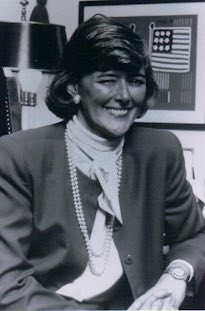 Patricia Schroeder
Government
1940
1995
Patricia Schroeder
Government
1940
1995
Patricia Schroeder
Served as the senior woman in Congress, first elected in 1972 from Colorado. Schroeder worked to establish a national pro-family policy, promoting issues such as parental leave, child care and family planning.
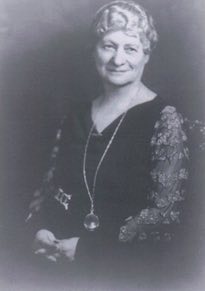 Hannah Greenebaum Solomon
Humanities
1858
Illinois
1995
Hannah Greenebaum Solomon
Humanities
1858
Illinois
1995
Hannah Greenebaum Solomon
Club woman and welfare worker on matters relating to child welfare, she organized a nationwide Jewish Women’s Congress as part of the 1890’s World’s Fair. It later became the National Council of Jewish Women, to which she was elected its first president.
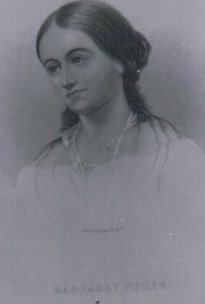 Margaret Fuller
Arts
1810
Massachusetts
1995
Margaret Fuller
Arts
1810
Massachusetts
1995
Margaret Fuller
Literary critic, editor, teacher and author. Fuller’s early writings inspired leaders of women’s rights. She was editor of the The Dial, a Transcendental journal, and she advocated liberation for all humanity.
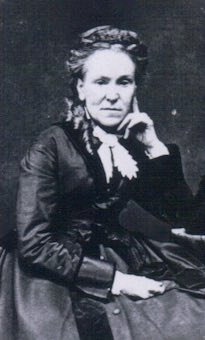 Matilda Joslyn Gage
Humanities
1826
New York
1995
Matilda Joslyn Gage
Humanities
1826
New York
1995
Matilda Joslyn Gage
Best known as the co-author (with Elizabeth Cady Stanton and Susan B. Anthony) of The History of Women’s Suffrage. She served in the National Women’s Suffrage Association and helped form suffrage groups in order to gain the right to vote for women.
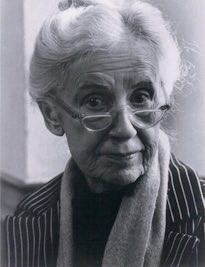 Maggie Kuhn
Humanities
1905
1995
Maggie Kuhn
Humanities
1905
1995
Maggie Kuhn
Following a forced retirement at age 65, Kuhn began work forming the Gray Panthers, an organization which addressed age discrimination and pension rights. Kuhn also addressed large public issues, including nursing home reform, forced retirement and fraud against the elderly.
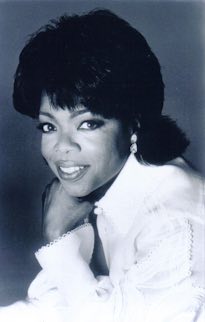 Oprah Winfrey
Arts, Business, Philanthropy
1954
Mississippi
1994
Oprah Winfrey
Arts, Business, Philanthropy
1954
Mississippi
1994
Oprah Winfrey
The first Black woman to own her own television production company and who became television’s highest-paid entertainer. She is an advocate for ending child abuse, and she contributes generously to colleges and universities.