Discover the Women of the Hall
These are the Inductees of the National Women’s Hall of Fame. Select any of the women to discover their stories and learn how they have influenced other women and this country.
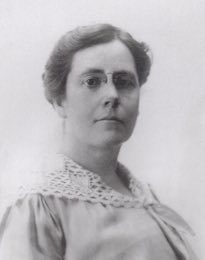
Marian de Forest
Founder of Zonta (1919, Buffalo, NY), a worldwide organization of women business and professional leaders dedicated to improving the legal, political, and economic status of women. Membership now runs 35,000 with 1,214 clubs in 68 countries.
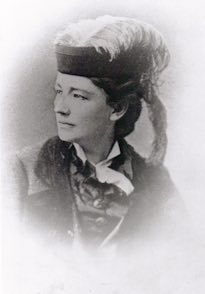
Victoria Woodhull
A 19th century reformer, Victoria Woodhull established a reputation as a radical freethinking reformer. She was a suffragist, author, political activist, and the first woman to run for President of the United States (1872).
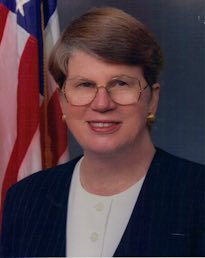
Janet Reno
As Florida State Attorney, she helped establish the Miami Drug Court and reform the juvenile justice system. Appointed by President Clinton to be the first woman Attorney General of the United States, she brought a personal and professional integrity to the office during times when issues were divided bitterly along partisan lines.
Annie Dodge Wauneka
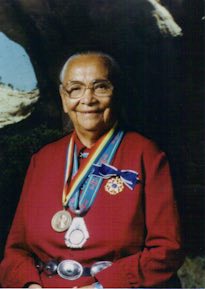
First woman elected to the Tribal Council, she became determined to lead the fight against tuberculosis among the Navajo. She wrote a dictionary to translate English words for modern medical techniques into Navajo, and hosted a radio broadcast in the Navajo language to explain how modern medicine could help in better care for pregnant women and new babies and other family health problems.
Kate Mullany
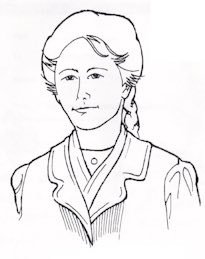
Founder and organizer of the Collar Laundry Union in 1864, she led a strike of 200 laundresses in Troy, NY, which resulted in a 25% wage increase and improvement of working conditions. Her efforts to organize women in New York City and financially assist both male and female unions were rewarded when she was appointed as an assistant secretary of the National Labor Union, making her the first female to hold a national labor post.
Leontine T.C. Kelly
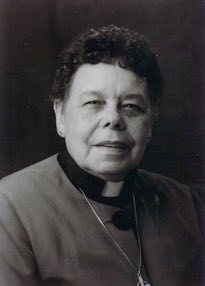
A Methodist bishop, Leontine T.C. Kelly was the first African American woman to be elected bishop in the United Methodist Church. She served as bishop of the California-Nevada Annual Conference and the president of the Western Jurisdiction College of Bishops. Committed to peace and justice, she was arrested several times for protesting nuclear weapons, and was one of 18 bishops who signed a letter to the Methodist Church in response to its policy toward gays and lesbians in the church.
Marian de Forest
Founder of Zonta (1919, Buffalo, NY), a worldwide organization of women business and professional leaders dedicated to improving the legal, political, and economic status of women. Membership now runs 35,000 with 1,214 clubs in 68 countries.
Victoria Woodhull
A 19th century reformer, Victoria Woodhull established a reputation as a radical freethinking reformer. She was a suffragist, author, political activist, and the first woman to run for President of the United States (1872).
Janet Reno
As Florida State Attorney, she helped establish the Miami Drug Court and reform the juvenile justice system. Appointed by President Clinton to be the first woman Attorney General of the United States, she brought a personal and professional integrity to the office during times when issues were divided bitterly along partisan lines.
Annie Dodge Wauneka
First woman elected to the Tribal Council, she became determined to lead the fight against tuberculosis among the Navajo. She wrote a dictionary to translate English words for modern medical techniques into Navajo, and hosted a radio broadcast in the Navajo language to explain how modern medicine could help in better care for pregnant women and new babies and other family health problems.
Kate Mullany
Founder and organizer of the Collar Laundry Union in 1864, she led a strike of 200 laundresses in Troy, NY, which resulted in a 25% wage increase and improvement of working conditions. Her efforts to organize women in New York City and financially assist both male and female unions were rewarded when she was appointed as an assistant secretary of the National Labor Union, making her the first female to hold a national labor post.
Leontine T.C. Kelly
A Methodist bishop, Leontine T.C. Kelly was the first African American woman to be elected bishop in the United Methodist Church. She served as bishop of the California-Nevada Annual Conference and the president of the Western Jurisdiction College of Bishops. Committed to peace and justice, she was arrested several times for protesting nuclear weapons, and was one of 18 bishops who signed a letter to the Methodist Church in response to its policy toward gays and lesbians in the church.
Ida Tarbell
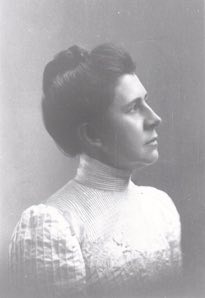
Writer and editor, her expose of the Standard Oil Trust in the 1904 publication The History of the Standard Oil Company prompted the federal government to prosecute and break up Standard Oil for anti-trust violations. She founded the American Magazin, authored several biographies, and, in spite of her 1912 anti-feminist book, The Business of Being a Woman, remains a role model for women and men in journalism.
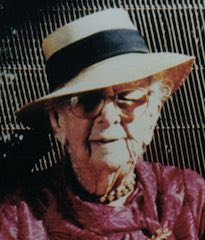
Marjory Stoneman Douglas
A journalist with the Miami News Record, she was an active leader in the Florida suffrage movement and an environmentalist credited with saving the Everglades as a national resource. Douglas authored over ten books and several plays, including The Everglades: River of Grass. After receiving the Presidential Medal of Freedom in 1993 at the age of 103, she remained an active and influential environmentalist to her death.
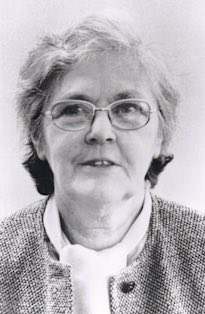
Frances Oldham Kelsey
A medical and pharmaceutical researcher for the Food and Drug Administration, she refused to approve the use of thalidomide in this country, saving countless babies from terrible deformities. As a result of her testimony before Congress, the 1962 drug act was passed, giving the FDA greater control over the manufacture, testing and distribution of drugs. During a career with the FDA which spanned over 39 years, her supervision of clinical investigators has institutionalized the protection of the patient in drug investigations.
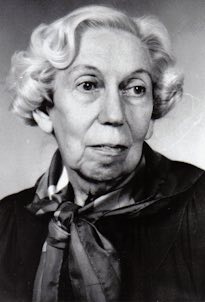
Eudora Welty
One of the most significant writers of the 20th century, Eudora Welty won many notable literary prizes, including the Pulitzer Prize for her novel The Optimist’s Daughter. Her work is marked by what critic Jonathan Yardley called an “abiding tolerance…a refusal to pass judgment on the actors in the human comedy,” and it transcends generations and national boundaries. In 1998, the Library of America recognized her literary accomplishments by honoring her as the first living author published in the prestigious Library of America series.
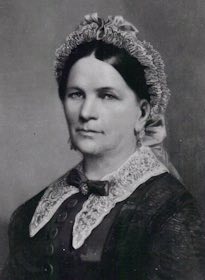
Sophia Smith
Born to a family known for its frugality and thrift, she was left at the age of 65 as the sole survivor of her immediate family, and with the funds to endow the establishment of Smith College, an institution that she hoped would provide undergraduate education for young women equal to that provided at the time for young men.
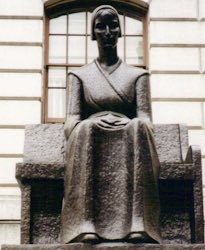
Mary Barret Dyer
Disenfranchised and banished from the Massachusetts Bay Colony along with Anne Hutchinson, she moved back to England, where she became a protégé of George Fox, the founder of Quakerism. Returning to Boston, she was arrested, imprisoned and expelled for preaching the Quaker faith. Returning to Boston again and again, she stood beside other condemned Quakers and finally was herself arrested and hanged. Her martyr’s death contributed to the move for religious tolerance in the colonies.
Ida Tarbell
Writer and editor, her expose of the Standard Oil Trust in the 1904 publication The History of the Standard Oil Company prompted the federal government to prosecute and break up Standard Oil for anti-trust violations. She founded the American Magazin, authored several biographies, and, in spite of her 1912 anti-feminist book, The Business of Being a Woman, remains a role model for women and men in journalism.
Marjory Stoneman Douglas
A journalist with the Miami News Record, she was an active leader in the Florida suffrage movement and an environmentalist credited with saving the Everglades as a national resource. Douglas authored over ten books and several plays, including The Everglades: River of Grass. After receiving the Presidential Medal of Freedom in 1993 at the age of 103, she remained an active and influential environmentalist to her death.
Frances Oldham Kelsey
A medical and pharmaceutical researcher for the Food and Drug Administration, she refused to approve the use of thalidomide in this country, saving countless babies from terrible deformities. As a result of her testimony before Congress, the 1962 drug act was passed, giving the FDA greater control over the manufacture, testing and distribution of drugs. During a career with the FDA which spanned over 39 years, her supervision of clinical investigators has institutionalized the protection of the patient in drug investigations.
Eudora Welty
One of the most significant writers of the 20th century, Eudora Welty won many notable literary prizes, including the Pulitzer Prize for her novel The Optimist’s Daughter. Her work is marked by what critic Jonathan Yardley called an “abiding tolerance…a refusal to pass judgment on the actors in the human comedy,” and it transcends generations and national boundaries. In 1998, the Library of America recognized her literary accomplishments by honoring her as the first living author published in the prestigious Library of America series.
Sophia Smith
Born to a family known for its frugality and thrift, she was left at the age of 65 as the sole survivor of her immediate family, and with the funds to endow the establishment of Smith College, an institution that she hoped would provide undergraduate education for young women equal to that provided at the time for young men.
Mary Barret Dyer
Disenfranchised and banished from the Massachusetts Bay Colony along with Anne Hutchinson, she moved back to England, where she became a protégé of George Fox, the founder of Quakerism. Returning to Boston, she was arrested, imprisoned and expelled for preaching the Quaker faith. Returning to Boston again and again, she stood beside other condemned Quakers and finally was herself arrested and hanged. Her martyr’s death contributed to the move for religious tolerance in the colonies.
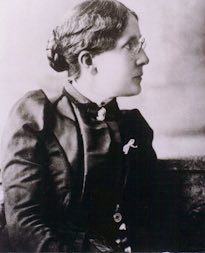
Frances E. Willard
As second president of the Women’s Christian Temperance Union (WCTU), she led the largest organization of women in the United States. The WCTU provided a base for the 20th century women’s rights movement, supporting, in addition to women’s suffrage, broad social reforms such as equal pay for equal work, the eight hour day, and the protection of women and children in the workplace.
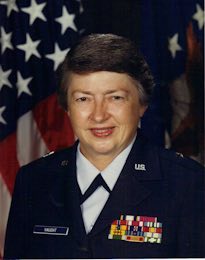
Wilma L. Vaught
One of the most decorated military women in U.S. history, Brigadier General Vaught, USAF, Retired, broke through many gender barriers to achieve a series of “firsts” that paved the way for military women serving today. She may be best known and most revered for her 12-year quest to permanently honor women in the military, raising over $45 million to build a major national memorial. The stunning 33,000 sq. ft. Women in Military Service for America Memorial facility and education center stands today at the gateway to Arlington National Cemetery.
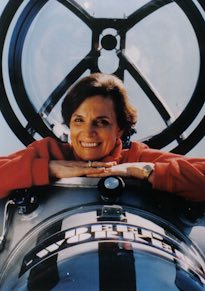
Sylvia A. Earle
An undersea explorer since age 13, Earle became an internationally recognized marine biologist, author, lecturer and scientific consultant. Denied the opportunity to participate in the U.S. Navy “Tektite Project” to study the ocean, she founded “Tektite II”, an all-female expedition that spent two weeks exploring the ocean floor. The founder of two companies to design and build undersea vehicles, she is chief scientist and consultant to oceanographic and marine research centers throughout the world.
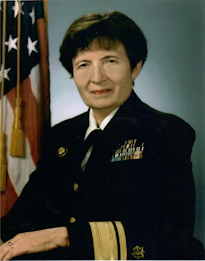
Faye Glenn Abdellah
First nurse to hold the rank of Rear Admiral and the title of Deputy Surgeon General for the United States. She developed the first tested coronary care unit. A national pioneer in nursing research, she has authored or co-authored more than 150 publications and helped change the focus of nursing from disease-centered to patient-centered.
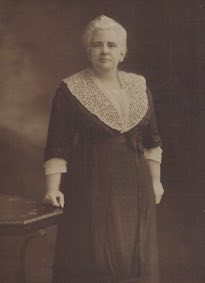
Anna Howard Shaw
A leader in the women’s suffrage movement, Shaw was a master orator for social justice, and the first woman to be ordained by the Protestant Methodist Church. She was the first living American woman to be awarded the U.S. Distinguished Service Medal.
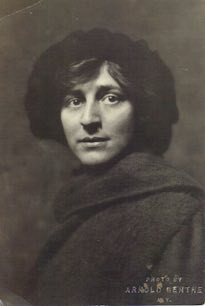
Crystal Eastman
One the major leaders of the women’s right to vote and equal rights movements, she was co-founder of the American Civil Liberties Union and author of the first national labor safety law guidelines. In 1919, she organized the First Feminist Congress, and she was one of the four authors of the Equal Rights Amendment proposed in 1923.
Frances E. Willard
As second president of the Women’s Christian Temperance Union (WCTU), she led the largest organization of women in the United States. The WCTU provided a base for the 20th century women’s rights movement, supporting, in addition to women’s suffrage, broad social reforms such as equal pay for equal work, the eight hour day, and the protection of women and children in the workplace.
Wilma L. Vaught
One of the most decorated military women in U.S. history, Brigadier General Vaught, USAF, Retired, broke through many gender barriers to achieve a series of “firsts” that paved the way for military women serving today. She may be best known and most revered for her 12-year quest to permanently honor women in the military, raising over $45 million to build a major national memorial. The stunning 33,000 sq. ft. Women in Military Service for America Memorial facility and education center stands today at the gateway to Arlington National Cemetery.
Sylvia A. Earle
An undersea explorer since age 13, Earle became an internationally recognized marine biologist, author, lecturer and scientific consultant. Denied the opportunity to participate in the U.S. Navy “Tektite Project” to study the ocean, she founded “Tektite II”, an all-female expedition that spent two weeks exploring the ocean floor. The founder of two companies to design and build undersea vehicles, she is chief scientist and consultant to oceanographic and marine research centers throughout the world.
Faye Glenn Abdellah
First nurse to hold the rank of Rear Admiral and the title of Deputy Surgeon General for the United States. She developed the first tested coronary care unit. A national pioneer in nursing research, she has authored or co-authored more than 150 publications and helped change the focus of nursing from disease-centered to patient-centered.
Anna Howard Shaw
A leader in the women’s suffrage movement, Shaw was a master orator for social justice, and the first woman to be ordained by the Protestant Methodist Church. She was the first living American woman to be awarded the U.S. Distinguished Service Medal.
Crystal Eastman
One the major leaders of the women’s right to vote and equal rights movements, she was co-founder of the American Civil Liberties Union and author of the first national labor safety law guidelines. In 1919, she organized the First Feminist Congress, and she was one of the four authors of the Equal Rights Amendment proposed in 1923.
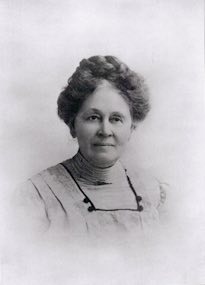
Emma Smith DeVoe
President of the Washington Equal Suffrage Association, successfully ran the campaign that resulted in Washington becoming the first state in the 20th century to grant full enfranchisement to women in 1910, a full decade before passage of the 19th Amendment. DeVoe established the first national organization of voting women, which eventually merged with the National League of Women Voters, leaving an invaluable legacy about the importance of the educated use of the franchise.
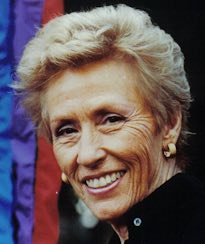
Jeanne Holm
In her 33 years in the Armed Forces from 1942 to 1975, Major General Holm, USAF, Retired, rose from private to two-star general. Her promotion in 1973 made her the first woman in the history of the U.S. armed forces to achieve the rank of major general. Her work to open ROTC and the military academies to women gave educational benefits and the opportunity for a professional military career to women from all walks of life.
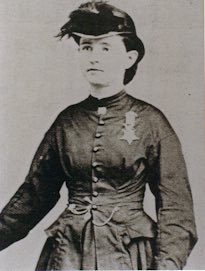
Mary Edwards Walker
First female surgeon in the U.S. Army, she continually crossed the Confederate lines to treat civilians. After being taken prisoner in 1864 and imprisoned in Richmond, she was awarded the Congressional Medal of Honor, the first woman to receive this award. In 1917, her medal, along with 910 others, was taken away when Congress revised the standards to include only “actual combat with the enemy.” She refused to return the medal, wore it until her death, and it was finally awarded to her posthumously.
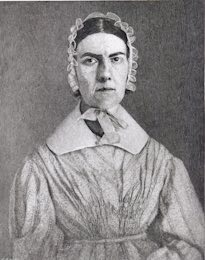
Angelina Grimké Weld
Along with Sarah Grimké, wrote numerous published papers which championed abolition and women’s rights. The Grimké sisters were southerners who became the first female speakers for the American Anti-Slavery Society. Sarah’s Letters on the Equality of the Sexes exposed the plight of factory women in New England, as well as arguing on behalf of women’s rights and abolition. Through their examples and their words, the Grimkés proved that women could affect the course of political events and have a far-reaching influence on society.
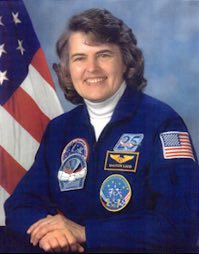
Shannon W. Lucid
A commercial, instrumental and multi-engine-rated pilot, Dr. Shannon Lucid was a member of the first astronaut class to admit women (1979). In her more than 30 year tenure with NASA, she served in various capacities and participated in five space flights. Dr. Lucid was the first woman to hold an international record for the most flight hours in orbit by any non-Russian, and, until June 2007, she held the record for the most flight hours in orbit by any woman in the world – 5,354 hours or 223 days in space.
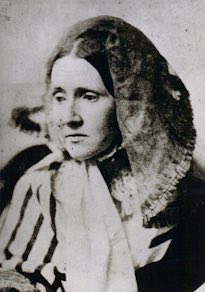
Julia Ward Howe
Suffragist and author of “Battle Hymn of the Republic.” Howe was a lecturer on religious subjects, a playwright and an organizer of a women’s peace movement. Co-founder (with Lucy Stone et al) of the New England Women Suffrage Association, she lectured and wrote extensively in support of the freedom of women to have an equal place with men in both public and private life.
Emma Smith DeVoe
President of the Washington Equal Suffrage Association, successfully ran the campaign that resulted in Washington becoming the first state in the 20th century to grant full enfranchisement to women in 1910, a full decade before passage of the 19th Amendment. DeVoe established the first national organization of voting women, which eventually merged with the National League of Women Voters, leaving an invaluable legacy about the importance of the educated use of the franchise.
Jeanne Holm
In her 33 years in the Armed Forces from 1942 to 1975, Major General Holm, USAF, Retired, rose from private to two-star general. Her promotion in 1973 made her the first woman in the history of the U.S. armed forces to achieve the rank of major general. Her work to open ROTC and the military academies to women gave educational benefits and the opportunity for a professional military career to women from all walks of life.
Mary Edwards Walker
First female surgeon in the U.S. Army, she continually crossed the Confederate lines to treat civilians. After being taken prisoner in 1864 and imprisoned in Richmond, she was awarded the Congressional Medal of Honor, the first woman to receive this award. In 1917, her medal, along with 910 others, was taken away when Congress revised the standards to include only “actual combat with the enemy.” She refused to return the medal, wore it until her death, and it was finally awarded to her posthumously.
Angelina Grimké Weld
Along with Sarah Grimké, wrote numerous published papers which championed abolition and women’s rights. The Grimké sisters were southerners who became the first female speakers for the American Anti-Slavery Society. Sarah’s Letters on the Equality of the Sexes exposed the plight of factory women in New England, as well as arguing on behalf of women’s rights and abolition. Through their examples and their words, the Grimkés proved that women could affect the course of political events and have a far-reaching influence on society.
Shannon W. Lucid
A commercial, instrumental and multi-engine-rated pilot, Dr. Shannon Lucid was a member of the first astronaut class to admit women (1979). In her more than 30 year tenure with NASA, she served in various capacities and participated in five space flights. Dr. Lucid was the first woman to hold an international record for the most flight hours in orbit by any non-Russian, and, until June 2007, she held the record for the most flight hours in orbit by any woman in the world – 5,354 hours or 223 days in space.
Julia Ward Howe
Suffragist and author of “Battle Hymn of the Republic.” Howe was a lecturer on religious subjects, a playwright and an organizer of a women’s peace movement. Co-founder (with Lucy Stone et al) of the New England Women Suffrage Association, she lectured and wrote extensively in support of the freedom of women to have an equal place with men in both public and private life.