Discover the Women of the Hall
These are the Inductees of the National Women’s Hall of Fame. Select any of the women to discover their stories and learn how they have influenced other women and this country.
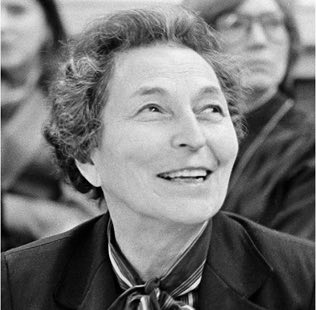 Anna Jacobson Schwartz
Business
1915
New York
2013
Anna Jacobson Schwartz
Perhaps the most widely acclaimed female research economist of the twentieth century, Anna Jacobson Schwartz has been described as “one of the world’s greatest monetary scholars.” In 1941, after a five year career with Columbia University’s Social Science Research Council, Schwartz began her more than seventy year tenure working for the National Bureau of Economic Research. During her time at the National Bureau, Schwartz met and began working with Milton Friedman and together, the two coauthored A Monetary History of the United States, 1867 – 1960. Described by Federal Reserve chairman, Ben Bernanke, as “the leading and most persuasive explanation of the worst economic disaster in American history,” the text is one of the most widely cited in economics. Schwartz was also considered a leading financial historian and expert on monetary statistics in the United States and Britain.
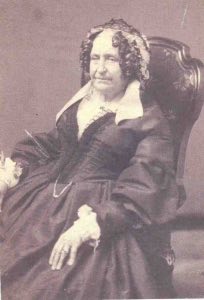 Emma Hart Willard
Education
1787
Connecticut
2013
Emma Hart Willard
During her lifetime, Emma Hart Willard blazed an extraordinary trail on behalf of women’s education. A teacher by trade, Willard opened a girls’ school in her home in 1814 and was struck by the contrast between the education she could offer her women students and the education provided to men at nearby Middlebury College. She crafted A Plan for Improving Female Education, a document in which she advocated equal education for women at the academy level. In 1819, at the encouragement of Governor DeWitt Clinton, Willard opened a school in Waterford, New York which closed shortly afterward due to a lack of funding. Two years later, she founded Troy Female Seminary in Troy, New York (1821), the first school of higher learning for women. The seminary was renamed the Emma Willard School in her honor in 1895.
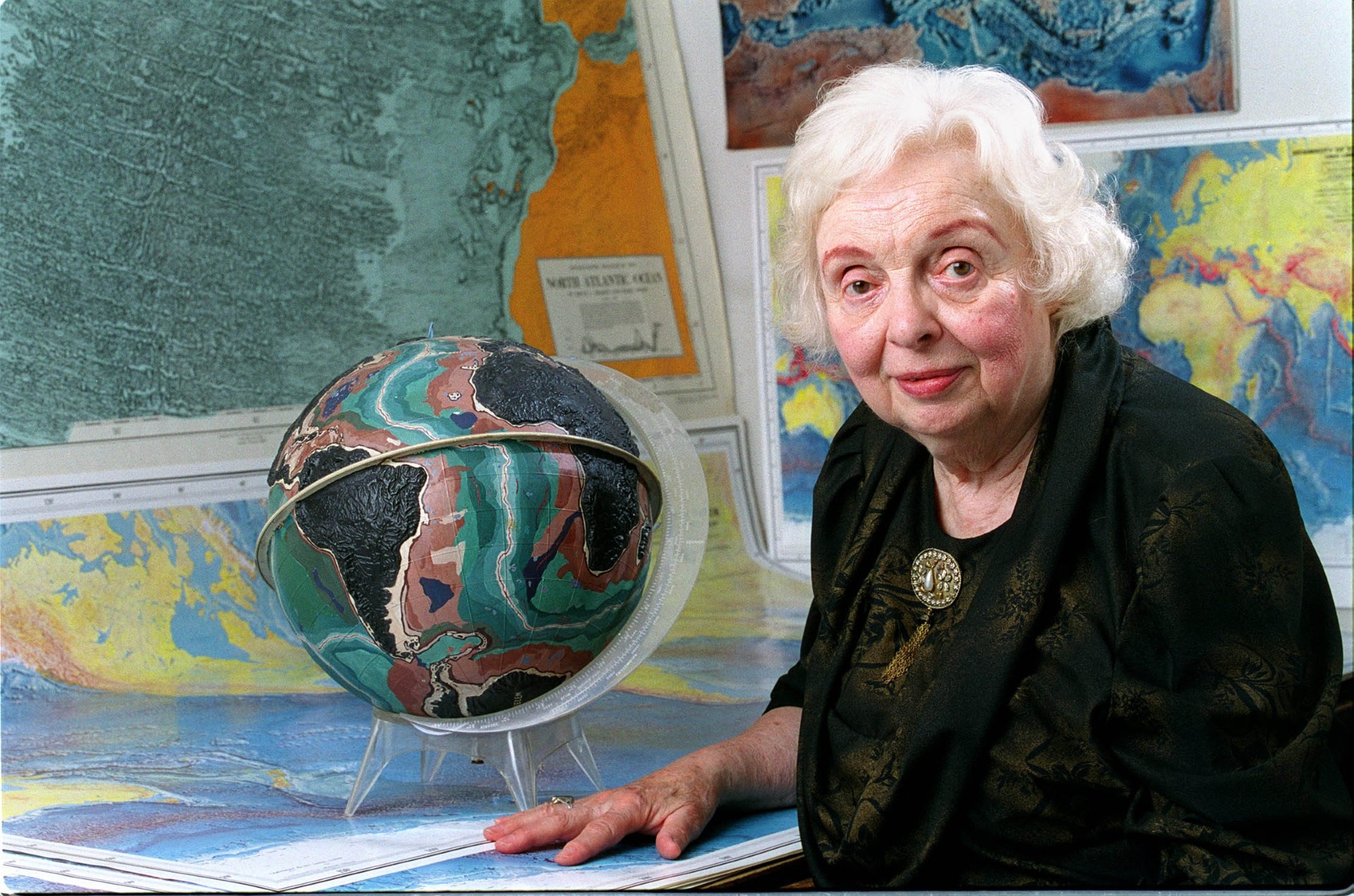 Marie Tharp
Science
1920
2012
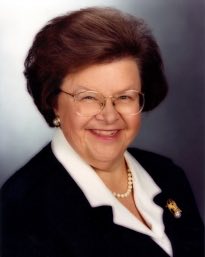 Barbara A. Mikulski
Government
1936
Maryland
2011
Barbara A. Mikulski
The first female Democratic United States Senator elected in her own right, Barbara Mikulski has been a political trailblazer for more than thirty years. During her tenure as a Senator, Mikulski has developed and supported legislation promoting equal healthcare for American women, Medicare reform, better care for veterans, greater student access to quality education, increased funding for scientific research, and more. Senator Mikulski currently serves as the Dean of the Women in the Senate, and is a senior member of the Health, Education, Labor and Pensions Committee; a senior member of the Appropriations Committee; and a member of the Senate Select Committee on Intelligence. In 2011, Senator Mikulski officially became the longest serving female Senator in United States history.
 Kathrine Switzer
Athletics
1947
Germany
2011
Kathrine Switzer
As the first woman to officially enter the Boston Marathon (1967), Kathrine Switzer broke the gender barrier and paved the way for women in running. Still recognized as a leader in the running world, Switzer has completed over thirty-seven marathons and has dedicated her career to creating opportunities and equal sport status for women. In 1977, she founded the Avon International Running Circuit, and in 1984, she was a leader in making the women’s marathon an official event in the Olympic Games. Switzer is an Emmy Award-winning television commentator who has broadcasted for ABC, CBS, NBC and ESPN.
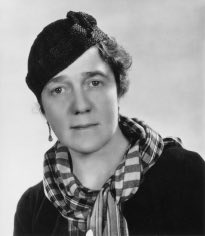 Dorothy Harrison Eustis
Philanthropy
1886
Pennsylvania
2011
Dorothy Harrison Eustis
A philanthropist, Dorothy Harrison Eustis combined her love of animals and her passion for helping others to co-found the nation’s first dog guide school, The Seeing Eye. In 1921, Eustis began her career in Switzerland, breeding German shepherds for civic duty. She was later contacted by Morris Frank, a blind American man seeking a guide dog. After bringing Frank to Switzerland and providing him with a dog, Eustis returned to the United States, and in 1929, they established The Seeing Eye to help blind people achieve greater independence, dignity and self-confidence through the use of Seeing Eye dogs. To date, The Seeing Eye has bred and trained 15,000 dogs to assist nearly 8,000 men and women.
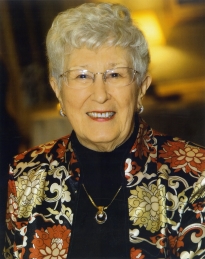 Loretta C. Ford
Science
1920
New York
2011
Loretta C. Ford
An internationally renowned nursing leader, Dr. Loretta C. Ford has devoted her career to practice, education, research, consultation and the delivery of health services. Dr. Ford is best known for co-founding the nurse practitioner model through her studies on the nurse’s expanded scope of practice in public health nursing. In 1972, Dr. Ford became the founding dean of the University of Rochester School of Nursing, where she implemented the unification model. Dr. Ford is the author of more than 100 publications and has served as a consultant and lecturer to multiple organizations and universities.
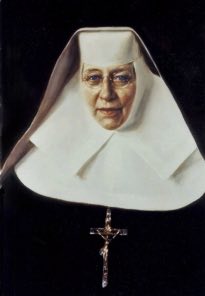 St. Katharine Drexel
Humanities
1858
Pennsylvania
2011
St. Katharine Drexel
A missionary who dedicated her life and fortune to aid Native Americans and African Americans, Saint Katharine Drexel is only the second recognized American-born saint. In 1891, Saint Katharine founded the Sisters of the Blessed Sacrament, a religious order that today remains devoted to the education and care of Native Americans and African Americans. During her lifetime, Saint Katharine and her order founded more than sixty missions and schools, including Xavier University of Louisiana. Saint Katharine was beatified in 1988 and canonized in 2000.
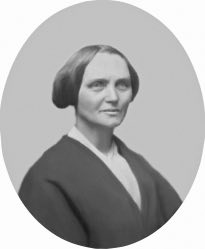 Abby Kelley Foster
Humanities
1811
Massachusetts
2011
Abby Kelley Foster
A major figure in the national anti-slavery and women’s rights movements, Abby Kelley Foster is remembered for her roles as a lecturer, fundraiser, recruiter and organizer. In 1850, Foster helped develop plans for the National Woman’s Rights Convention in Massachusetts, and later, in 1868, she was among the organizers of the founding convention of the New England Woman Suffrage Association. During her lifetime, Foster worked extensively with the American Anti-Slavery Society, where she held several different positions within the organization. Foster worked tirelessly for the ratification of the fourteenth and fifteenth amendments and helped lay the groundwork for the nineteenth amendment to the U.S. Constitution.
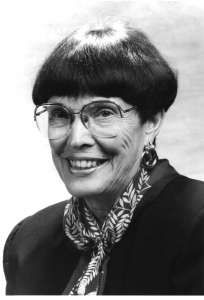 Helen Murray Free
Science
1923
Pennsylvania
2011
Helen Murray Free
A pioneering chemist, Helen Murray Free conducted research that revolutionized diagnostic testing in the laboratory and at home. Free is the co-developer of Clinistix, the first dip-and-read diagnostic test strips for monitoring glucose in urine. Along with her husband, Alfred Free, she also developed additional strips for testing levels of key indicators for other diseases. Today, dip-and-read strips make testing for diabetes, pregnancy, and other conditions available in underdeveloped regions of the United States and in foreign countries. Free is the recipient of numerous awards, including the National Medal of Technology and Innovation and the American Chemical Society’s 66th National Historic Chemical Landmark designation (2010).
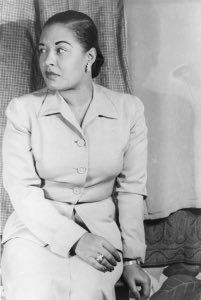 Billie Holiday
Arts
1915
Maryland
2011
Billie Holiday
Considered by many to be one of the greatest jazz vocalists of all time, Billie Holiday forever changed the genres of jazz and pop with her unique style. Holiday began her career as a singer in Harlem nightclubs in 1931, without formal musical training. She went on to record and tour with a number of famous musicians like Benny Goodman and Lester Young, and officially began recording under her own name in 1936. Holiday, known for her deeply moving and personal vocals, remains a popular musical legend more than fifty years after her death.
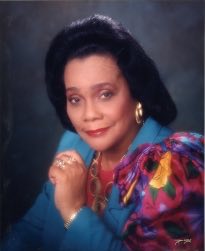 Coretta Scott King
Humanities
1927
Alabama
2011
Coretta Scott King
One of the most celebrated champions of human and civil rights, Coretta Scott King, in partnership with her husband, Dr. Martin Luther King, Jr., ignited democracy movements worldwide. For over forty years, King traveled extensively as a messenger of peace, justice and social action. Notably, in 1974, she formed and co-chaired the National Committee for Full Employment, formed the Coalition of Conscience (1983), and co-convened the Soviet-American Women’s Summit (1990). In 1969, she became the founding president, chair and chief executive officer of The King Center, the first institution built in memory of an African American leader. As a lifelong advocate for non-violence and coalition building, King’s legacy will continue to serve as an example for years to come.
 Lilly Ledbetter
Humanities
1938
Alabama
2011
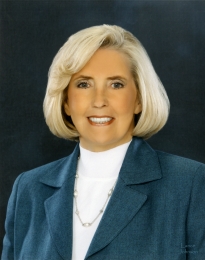
Lilly Ledbetter
For over a decade, Lilly Ledbetter has fought to achieve pay equity. Upon retiring from her position as a manager with the Goodyear Tire and Rubber Company, Ledbetter discovered that she had been paid considerably less than her male colleagues. She filed a formal complaint with the Equal Employment Opportunities Commission and later initiated a lawsuit against Goodyear alleging pay discrimination. Although a jury initially awarded her compensation, the Supreme Court ruled that Ledbetter could not receive any money because she had filed her complaint more than 180 days after receiving her first discriminatory paycheck. Since then, Ledbetter has continuously lobbied for equal pay for men and women; her efforts proved successful when President Obama signed the Lilly Ledbetter Fair Pay Act into law in 2009.
 Donna E. Shalala
Education, Government
1941
Ohio
2011
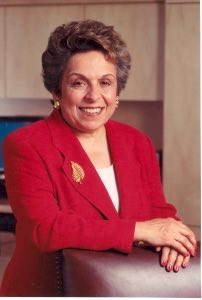
Donna E. Shalala
A groundbreaking educator and politician, Dr. Donna Shalala has more than thirty years of experience as an accomplished scholar, teacher and administrator. Dr. Shalala is recognized as the longest serving United States Secretary of Health and Human Services (1993-2001) and is the current President of the University of Miami. From 1980-1987, Dr. Shalala served as the president of Hunter College, and from 1987-1993, she was the chancellor of the University of Wisconsin-Madison. Dr. Shalala is the recipient of more than three dozen honorary degrees and was awarded the Presidential Medal of Freedom in 2008.
 Rebecca Talbot Perkins
Humanities
1866
New York
2009
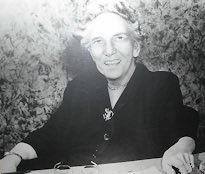
Rebecca Talbot Perkins
In 1927, a time when very few agencies existed to promote adoption, Rebecca Talbot Perkins joined with the Alliance of Women’s Clubs of Brooklyn to create The Rebecca Talbot Perkins Adoption Society. Later known as Talbot Perkins Children’s Services, the organization provided foster care and adoption services to countless families across the country for 75 years. Throughout her lifetime, Perkins was active in various charitable and civic causes as a member of the Brooklyn Women’s Suffrage Society, chair of the Alliance of Women’s Clubs of Brooklyn, Vice President of the Memorial Hospital for Women and Children, and a director of the Welcome Home for Girls.
 Susan Solomon
Science
1956
Illinois
2009
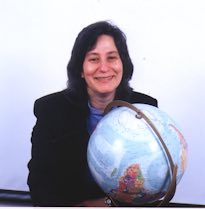
Susan Solomon
An internationally recognized leader in the field of atmospheric science, Susan Solomon pioneered the theory explaining how and why the ozone hole occurs in Antarctica, and obtained some of the first chemical measurements that established man-made chlorofluorocarbons (CFCs) as its cause. Solomon is the recipient of numerous awards, including the 1999 National Medal of Science and the Asahi Foundation of Japan’s Blue Planet Prize in 2004. From 2002-2008, Solomon served as the co-chair of the Intergovernmental Panel on Climate Change (IPCC), which shared the Nobel Peace Prize with Albert Gore, Jr. in 2007. Solomon’s current research as a senior scientist with the National Oceanic Atmospheric Administration focuses on climate change, ozone depletion and the links between the two.
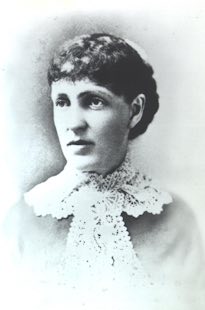 Kate Stoneman
Government
1841
New York
2009
Kate Stoneman
Kate Stoneman was the first woman admitted to practice law in New York State. In 1885, she became the first female to pass the New York State Bar Exam, but her 1886 application to join the bar was rejected because of her gender. Stoneman immediately launched a lobbying campaign to amend the Code of Civil Procedure to permit the admission of qualified applicants without regard to sex or race, and was successfully admitted to the bar later the same month. In 1898, she became the first female graduate of Albany Law School, and was the first woman to receive a bachelor’s degree from any department of Union University.
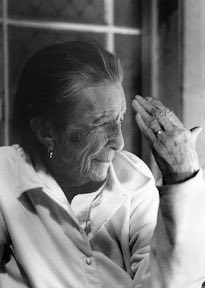 Louise Bourgeois
Arts
1911
France
2009
Louise Bourgeois
One of the world’s most preeminent artists, Louise Bourgeois’s career spanned over seven decades. Best known for her work as a sculptor, Bourgeois used a variety of materials including wood, metal, marble and latex to create works often reflective of her childhood experiences and life relationships. In 1982, Bourgeois became the first female artist to be given a retrospective at The Museum of Modern Art in New York, and in 1997 she was awarded the National Medal of Arts. Her varied and extensive body of work has been displayed in the collections of major museums worldwide.
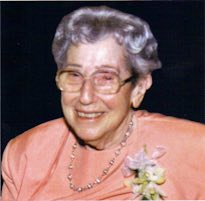 Mildred Cohn
Science
1913
New York
2009
Mildred Cohn
A groundbreaking scientist in several important areas of biological research, Mildred Cohn pioneered research that helped form the scientific understanding of mechanisms of enzymatic reactions and the methods of studying them. In 1946, she introduced the use of isotopic oxygen 18 to study metabolic processes and enzyme mechanisms. She later applied nuclear magnetic resonance (NMR) and electron paramagnetic resonance (EPR) to investigate metabolism and metabolic intermediates. Cohn has published more than 150 scientific papers and has received several awards for her work, including the National Medal of Science in 1982.
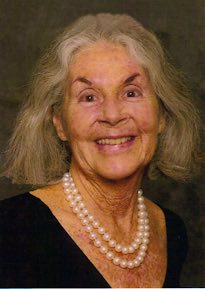 Karen DeCrow
Government, Humanities
1937
Illinois
2009
Karen DeCrow
A nationally recognized attorney, author and activist, Karen DeCrow is one of the most celebrated leaders of the women’s movement. From 1974-1977, she served as the National President of the National Organization for Women (NOW), where she was instrumental in obtaining significant legislative and legal gains and tirelessly advocated on behalf of the Equal Rights Amendment (ERA). DeCrow has written numerous books and articles and has lectured throughout the world on topics such as law, gender equality, and politics. In 1970, she served as National Coordinator of the Women’s Strike, and in 1988 she co-founded World Women Watch.
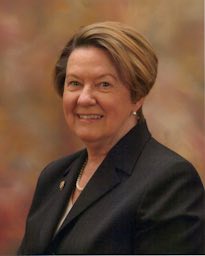 Susan Kelly-Dreiss
Humanities
1942
Pennsylvania
2009
Susan Kelly-Dreiss
Susan Kelly-Dreiss has worked for over 30 years to enact legal protections, implement innovative services and heighten public awareness on behalf of battered women and their children. In 1976, Kelly-Dreiss lobbied for passage of Pennsylvania’s first domestic violence law, and later that same year, she co-founded the nation’s first domestic violence coalition, the Pennsylvania Coalition Against Domestic Violence (PCADV). She was a founding member of the National Network to End Domestic Violence, and has played a key role in drafting federal legislation including the Federal Violence Prevention and Services Act and the Violence Against Women Act.
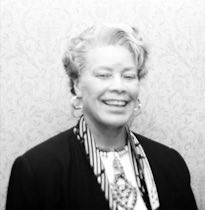 Allie B. Latimer
Government
1931
Pennsylvania
2009
Allie B. Latimer
An attorney, civil rights activist and humanitarian, Allie B. Latimer was instrumental in organizing Federally Employed Women (FEW) in 1968, and served as the organization’s founding president until 1969. In 1977, as a federal attorney, Latimer was the first African American and first woman to serve as General Counsel of a major federal agency as well as the first African American and first woman to attain the GS-18 salary level at the General Services Administration. She was also recognized as part of the ‘second wave of feminist pioneers’ by the Veteran Feminists of America (VFA).
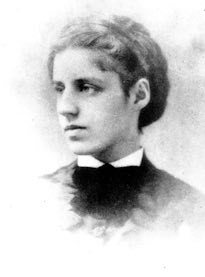 Emma Lazarus
Arts
1849
New York
2009
Emma Lazarus
“Give me your tired, your poor, your huddled masses yearning to breathe free.” These famous words from The New Colossus, were written by Emma Lazarus, one of the first successful Jewish American authors. Originally created in 1883, the sonnet was later engraved in bronze and placed at the base of the Statue of Liberty. Throughout her lifetime, Lazarus authored and published numerous poems, essays, letters, short stories and translations. She was an important forerunner of the Zionist movement, having argued for the creation of a Jewish homeland thirteen years before the term Zionist was even coined.
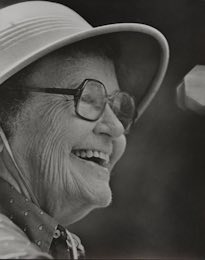 Ruth Patrick
Science
1907
Kansas
2009
Ruth Patrick
A pioneer in the field of limnology – the scientific study of the life and phenomena of fresh water, especially lakes and ponds – Ruth Patrick provided methods needed to monitor water pollution and understand its effects. Patrick is credited, along with Rachel Carson, as being largely responsible for ushering in the current worldwide concerns with ecology. She was the first female elected chair of the board of the Academy of Natural Sciences and received the National Medal of Science in 1996.