Discover the Women of the Hall
These are the Inductees of the National Women’s Hall of Fame. Select any of the women to discover their stories and learn how they have influenced other women and this country.
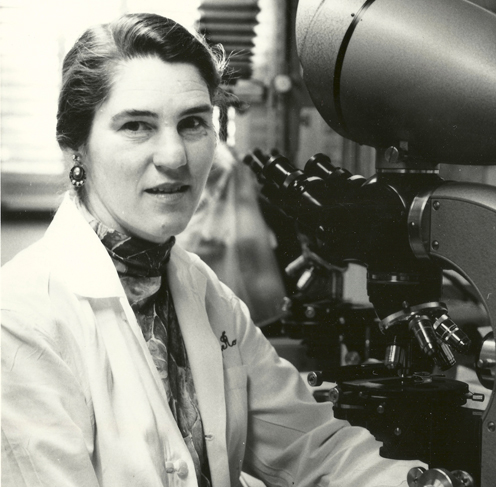
Janet D. Rowley
A geneticist whose research established that cancer is a genetic disease. Her discovery of chromosomal exchanges revolutionized cancer research, diagnosis and treatment. Her research led directly to the development of the cancer drug imatinib, one of the most effective targeted cancer therapies to date, leading to 90% of patients with certain forms of leukemia being “cured” where previously life expectancy had been three to five years.

Alice Waters
A chef, author and food activist, and the founder and owner of Chez Panisse Restaurant in Berkeley, California. She has been a champion of local sustainable agriculture for over four decades, and is credited with popularizing the organic food movement.
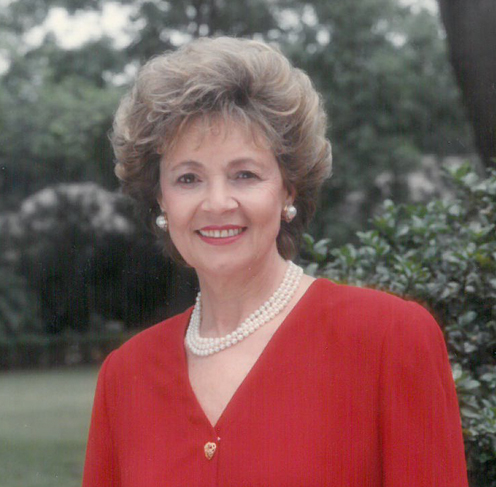
Matilda Raffa Cuomo
Established the nation’s first school-based one-to-one mentoring program, connecting over 10,000 students to trained mentors, and helping them to succeed in school, graduate, and advance in the workplace. The reach of this program, Mentoring USA, has expanded internationally.
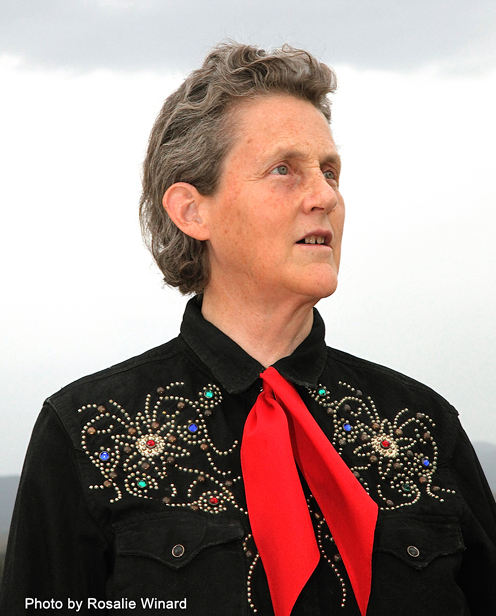
Temple Grandin
An animal sciences innovator and champion of farm animal welfare whose masterly designs for livestock handling systems transformed the industry and are used worldwide today. Her life and work have “revolutionized the study of autism,” as she had applied her insights gained from her own experience with autism to conceptualize equipment that reduces animal stress during the livestock handling process.
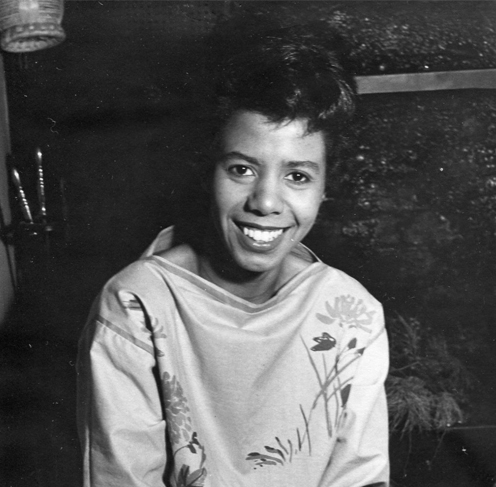
Lorraine Hansberry
A groundbreaking playwright and essayist best known as the author of A Raisin in the Sun, which ensured a place for the Black experience in American theatre. She was the first Black woman to have a show produced on Broadway, the first Black playwright and the youngest American to receive the prestigious New York Drama Critics’ Circle Award for Best American Play, and the first Black American to win the distinguished Drama Desk Award.

Victoria Jackson
A cosmetic entrepreneur who created, funded, and led a research foundation that has shaped a paradigm-breaking approach to medical research. The Guthy-Jackson Charitable Foundation has created a global community of patients, advocates, and healthcare stakeholders, with significant positive impact on the treatment of autoimmune and related diseases.
Janet D. Rowley
A geneticist whose research established that cancer is a genetic disease. Her discovery of chromosomal exchanges revolutionized cancer research, diagnosis and treatment. Her research led directly to the development of the cancer drug imatinib, one of the most effective targeted cancer therapies to date, leading to 90% of patients with certain forms of leukemia being “cured” where previously life expectancy had been three to five years.
Alice Waters
A chef, author and food activist, and the founder and owner of Chez Panisse Restaurant in Berkeley, California. She has been a champion of local sustainable agriculture for over four decades, and is credited with popularizing the organic food movement.
Matilda Raffa Cuomo
Established the nation’s first school-based one-to-one mentoring program, connecting over 10,000 students to trained mentors, and helping them to succeed in school, graduate, and advance in the workplace. The reach of this program, Mentoring USA, has expanded internationally.
Temple Grandin
An animal sciences innovator and champion of farm animal welfare whose masterly designs for livestock handling systems transformed the industry and are used worldwide today. Her life and work have “revolutionized the study of autism,” as she had applied her insights gained from her own experience with autism to conceptualize equipment that reduces animal stress during the livestock handling process.
Lorraine Hansberry
A groundbreaking playwright and essayist best known as the author of A Raisin in the Sun, which ensured a place for the Black experience in American theatre. She was the first Black woman to have a show produced on Broadway, the first Black playwright and the youngest American to receive the prestigious New York Drama Critics’ Circle Award for Best American Play, and the first Black American to win the distinguished Drama Desk Award.
Victoria Jackson
A cosmetic entrepreneur who created, funded, and led a research foundation that has shaped a paradigm-breaking approach to medical research. The Guthy-Jackson Charitable Foundation has created a global community of patients, advocates, and healthcare stakeholders, with significant positive impact on the treatment of autoimmune and related diseases.
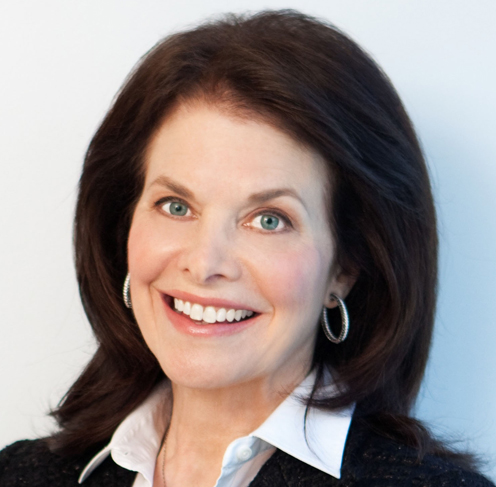
Sherry Lansing
A trailblazer, visionary leader and creative filmmaker. She was involved in the production, marketing and distribution of more than 200 films and the first woman to head a major film studio.
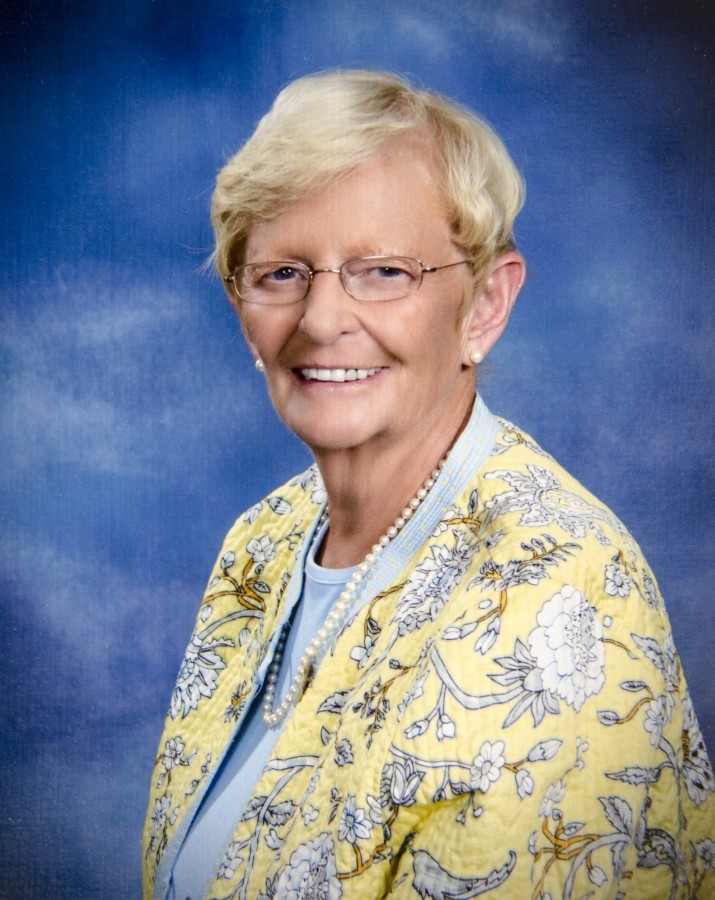
Barbara Iglewski
Microbiologist whose landmark discovery that pathogenic bacteria communicate with each other via a system known as “quorum sensing” served as the foundation for an entire field of study and has led to drug development to interrupt the bacterial communication process.
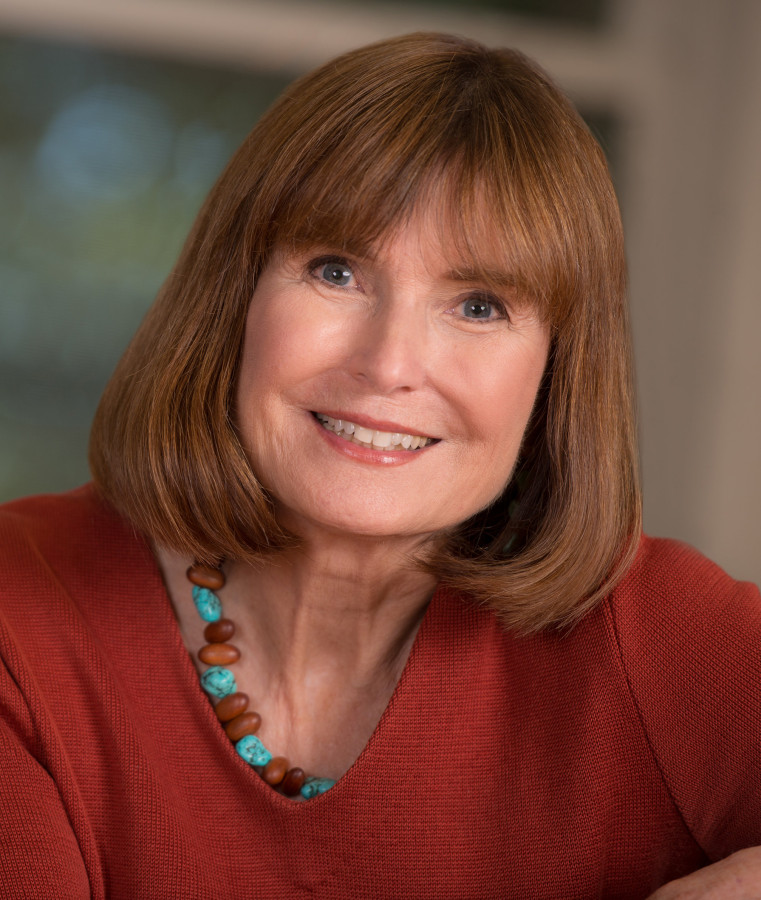
Jean Kilbourne
Through her pioneering work studying images of women in advertising, Jean Kilbourne has changed the conversation as to how organizations and educational institutions address many public health problems including smoking, high-risk drinking eating disorders, obesity, sexualization of children, and violence against women.
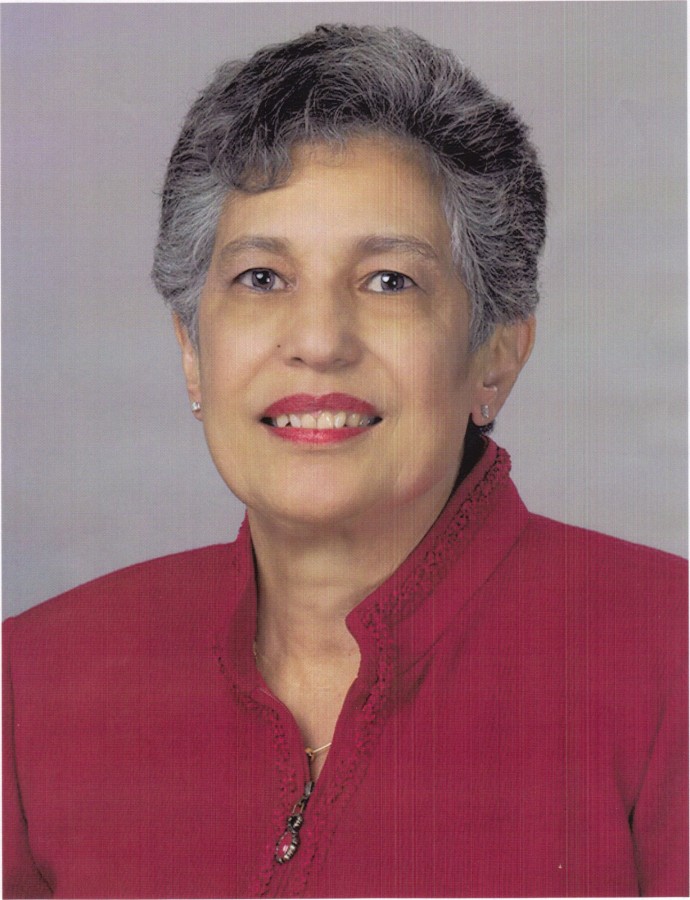
Carlotta Walls LaNier
Civil rights advocate Carlotta Walls LaNier, at age 14, was the youngest of the Little Rock Nine; the nine African-American students who integrated Central High School in Little Rock, Arkansas. A recipient of the Congressional Gold Medal, she works to ensure equal access to education for children of color.
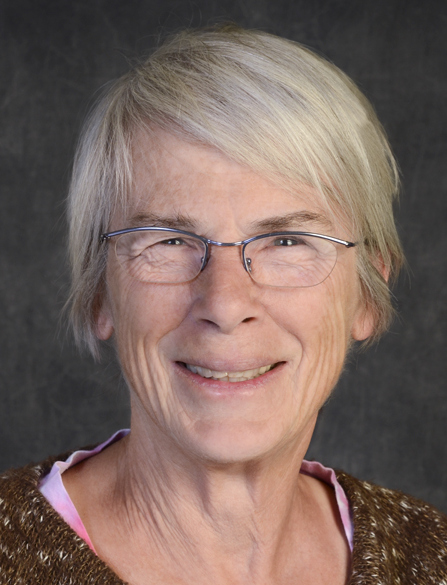
Philippa Marrack
Her work investigating T-cells, the family of cells that help the body fight disease, has led to a greater knowledge of the molecular basis of the immune system and contributed to medicine’s current understanding of vaccines, HIV, and other immune disorders.
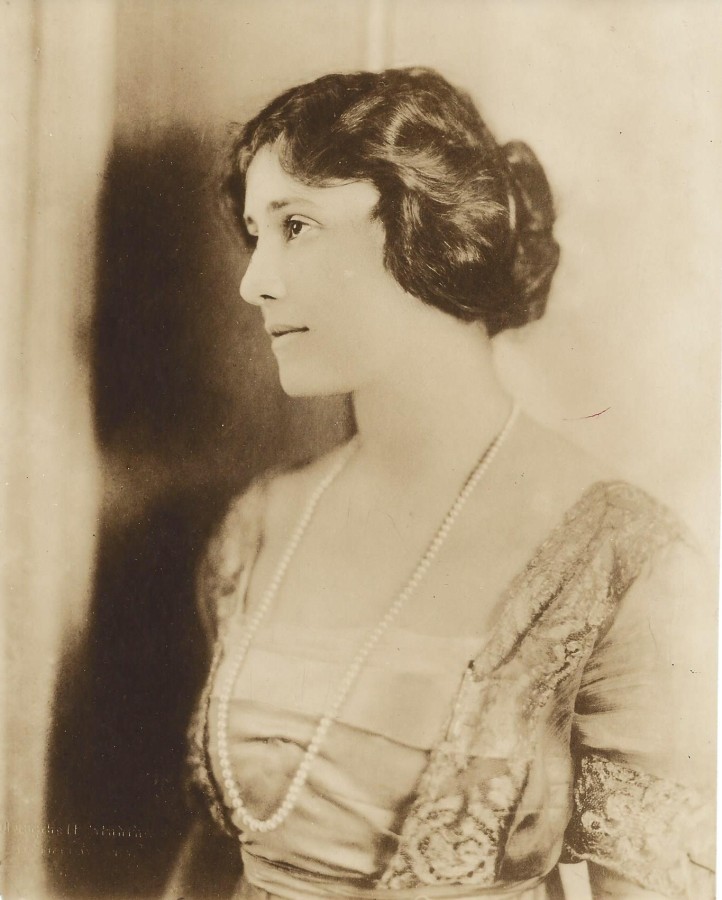
Mary Harriman Rumsey
The founder of the Junior League, she helped author the Social Security Act, chaired the first consumer’s rights groups, and was instrumental in the creation of public playgrounds in New York’s Central Park.
Sherry Lansing
A trailblazer, visionary leader and creative filmmaker. She was involved in the production, marketing and distribution of more than 200 films and the first woman to head a major film studio.
Barbara Iglewski
Microbiologist whose landmark discovery that pathogenic bacteria communicate with each other via a system known as “quorum sensing” served as the foundation for an entire field of study and has led to drug development to interrupt the bacterial communication process.
Jean Kilbourne
Through her pioneering work studying images of women in advertising, Jean Kilbourne has changed the conversation as to how organizations and educational institutions address many public health problems including smoking, high-risk drinking eating disorders, obesity, sexualization of children, and violence against women.
Carlotta Walls LaNier
Civil rights advocate Carlotta Walls LaNier, at age 14, was the youngest of the Little Rock Nine; the nine African-American students who integrated Central High School in Little Rock, Arkansas. A recipient of the Congressional Gold Medal, she works to ensure equal access to education for children of color.
Philippa Marrack
Her work investigating T-cells, the family of cells that help the body fight disease, has led to a greater knowledge of the molecular basis of the immune system and contributed to medicine’s current understanding of vaccines, HIV, and other immune disorders.
Mary Harriman Rumsey
The founder of the Junior League, she helped author the Social Security Act, chaired the first consumer’s rights groups, and was instrumental in the creation of public playgrounds in New York’s Central Park.
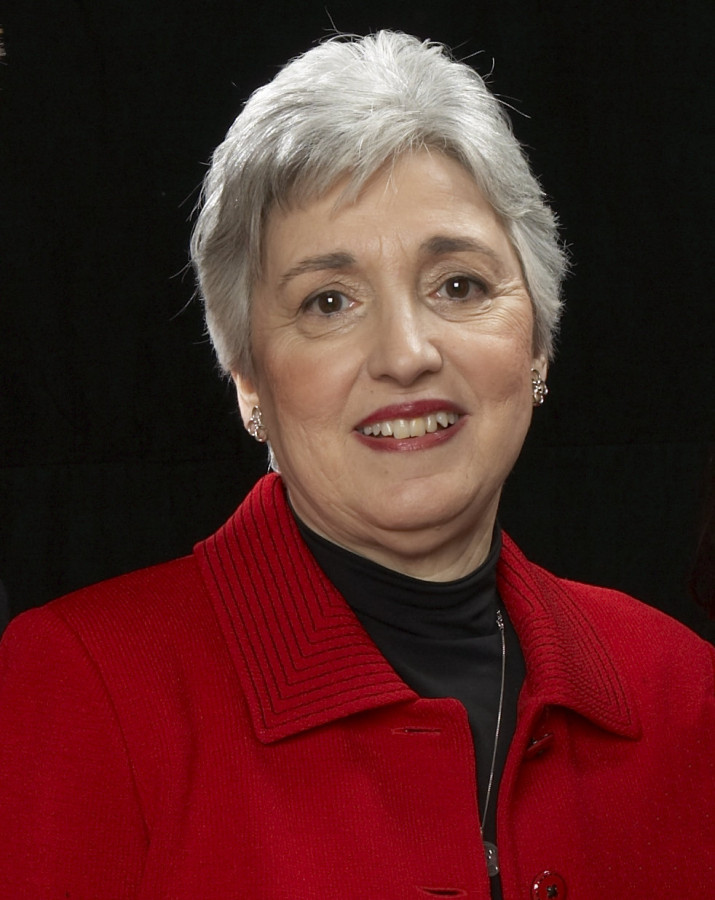
Eleanor Smeal
Her life and work has been dedicated to the achievement of women’s equality and human rights. She has been at the forefront of nearly every significant women’s rights victory. Responsible for coining the phrase “gender gap” referring to the difference in the way women and men vote and popularizing its usage in election and polling analyses to enhance women’s voting clout.
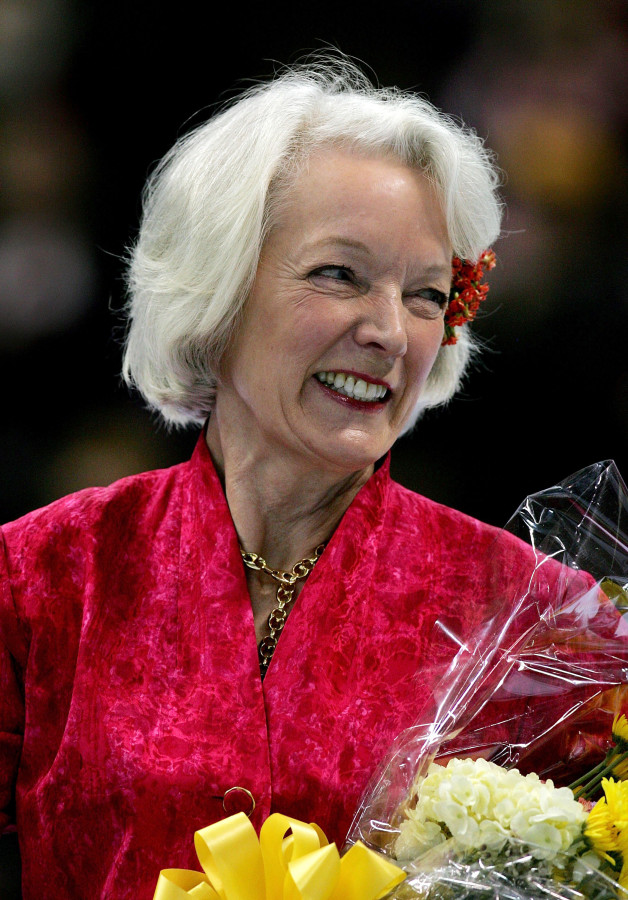
Tenley Albright
The first American woman to win an Olympic gold medal in figure skating. Named one of the “100 Greatest Female Athletes.” A successful surgeon and leader in blood plasma research, she works in international efforts to eradicate polio.
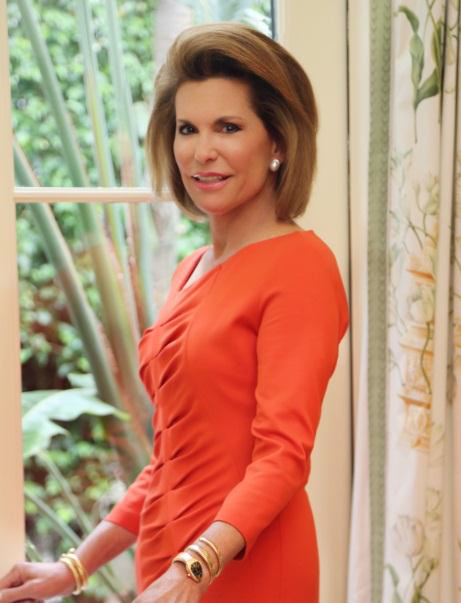
Nancy Brinker
The founder of Susan G. Komen®, Nancy Brinker pioneered in the concept of cause-related marketing allowing millions to participate in the commitment to eradicate breast cancer. She is regarded as the leader of the global breast cancer movement.
Martha Graham
One of the greatest artists of the 20th century, she created a new dance language. Named Dancer of the Century, she was the first dancer to perform at the White House and to act as a cultural ambassador abroad.
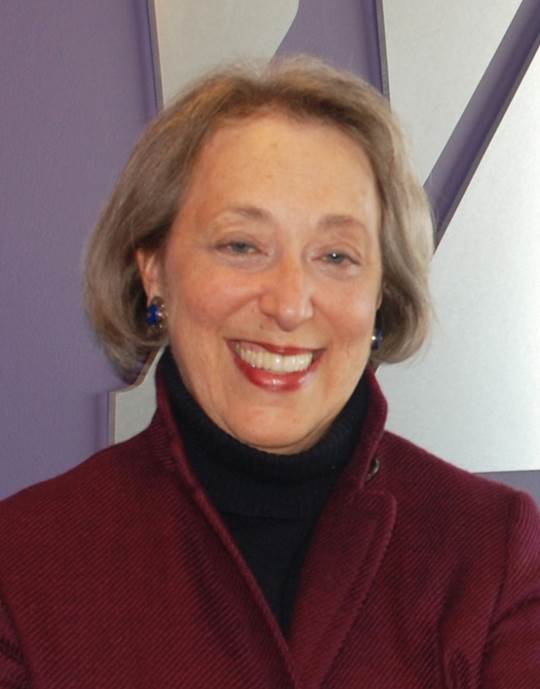
Marcia Greenberger
The founder and co-president of the National Women’s Law Center, Marcia Greenberger has been a leader in developing strategies to secure the successful passage of legislation protecting women and counsel for landmark litigation establishing new legal precedents for women.

Kate Millett
A feminist activist, writer, visual artist, filmmaker, teacher and human rights advocate, Kate Millett has been described as one of the most influential Americans of the twentieth century. Millett began her career as an English instructor and in 1966, became the first Chair of the Education Committee of the newly formed National Organization for Women. In 1968, she authored a pioneering report published by NOW, Token Learning: A Study of Women’s Higher Education in America, in which she challenged women’s colleges to provide an equal education for women. Millett is perhaps best-known for her landmark work in feminist theory, Sexual Politics (1970). She currently serves as the Director of the Millett Center for the Arts, a creative work space that provides artist in residence accommodation and studio facilities to women artists from around the world.
Eleanor Smeal
Her life and work has been dedicated to the achievement of women’s equality and human rights. She has been at the forefront of nearly every significant women’s rights victory. Responsible for coining the phrase “gender gap” referring to the difference in the way women and men vote and popularizing its usage in election and polling analyses to enhance women’s voting clout.
Tenley Albright
The first American woman to win an Olympic gold medal in figure skating. Named one of the “100 Greatest Female Athletes.” A successful surgeon and leader in blood plasma research, she works in international efforts to eradicate polio.
Nancy Brinker
The founder of Susan G. Komen®, Nancy Brinker pioneered in the concept of cause-related marketing allowing millions to participate in the commitment to eradicate breast cancer. She is regarded as the leader of the global breast cancer movement.
Martha Graham
One of the greatest artists of the 20th century, she created a new dance language. Named Dancer of the Century, she was the first dancer to perform at the White House and to act as a cultural ambassador abroad.
Marcia Greenberger
The founder and co-president of the National Women’s Law Center, Marcia Greenberger has been a leader in developing strategies to secure the successful passage of legislation protecting women and counsel for landmark litigation establishing new legal precedents for women.
Kate Millett
A feminist activist, writer, visual artist, filmmaker, teacher and human rights advocate, Kate Millett has been described as one of the most influential Americans of the twentieth century. Millett began her career as an English instructor and in 1966, became the first Chair of the Education Committee of the newly formed National Organization for Women. In 1968, she authored a pioneering report published by NOW, Token Learning: A Study of Women’s Higher Education in America, in which she challenged women’s colleges to provide an equal education for women. Millett is perhaps best-known for her landmark work in feminist theory, Sexual Politics (1970). She currently serves as the Director of the Millett Center for the Arts, a creative work space that provides artist in residence accommodation and studio facilities to women artists from around the world.
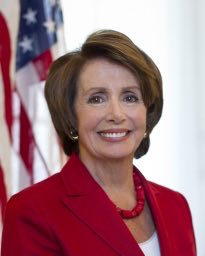
Nancy Pelosi
For twenty-five years, Nancy Pelosi has broken ground for women in politics. As the representative from California’s 12th district, Pelosi has focused her political career on strengthening America’s middle class and creating jobs, reforming the political system to create clean campaigns and fair elections, enacting comprehensive immigration reform, and ensuring safety in America’s communities, neighborhoods and schools. In 2002, Pelosi became the first woman to lead a major political party in the United States as the Democratic Leader of the U.S. House of Representatives, and from 2007-2011, she served as the first female Speaker of the U.S. House of Representatives. Pelosi has spearheaded the passage of historic legislation, including the Affordable Care Act, the Student Aid and Fiscal Responsibility Act, the Lilly Ledbetter Fair Pay Act, and more.
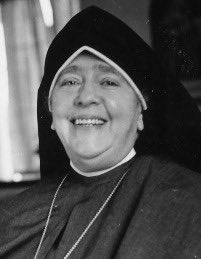
Mother Mary Joseph Rogers, MM
A woman of extraordinary vision and drive, Mother Mary Joseph Rogers, MM founded the Maryknoll Sisters, the first United States based Catholic congregation of religious women dedicated to a global mission. While attending Smith College in 1904, Rogers was inspired by graduating Protestant students preparing to leave for missionary work in China, and following her graduation, she returned to Smith and started a mission club for Catholic students (1905). It was while organizing the club that she met Father James A. Walsh, director of Boston’s Office for the Propagation of the Faith, later founder of Maryknoll Fathers & Brothers, through whom she was inspired to establish a mission congregation for women. The Maryknoll Sisters were founded in 1912, and by the time of Rogers’ death in 1955, there were 1,065 sisters working in twenty countries and several cities in the United States.
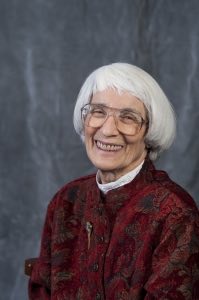
Bernice Resnick Sandler
For more than forty years, Bernice Resnick Sandler has been a tireless advocate of educational equity for women and girls. In 1970, Sandler filed the first charges of sex discrimination against 250 educational institutions. It was this strategy that led to the first federal investigations of campus sex discrimination at a time when no laws existed to prohibit discrimination based on sex in education. Subsequently, Sandler was instrumental in the development, passage and implementation of Title IX, the legislation that prohibits discrimination on the basis of sex in any federally funded education program or activity. An expert in strategies and policies to prevent and respond to sex discrimination in higher education, Sandler has given more than 2,500 presentations. She currently serves as a Senior Scholar in Residence at the Women’s Research and Education Institute in Washington, DC.
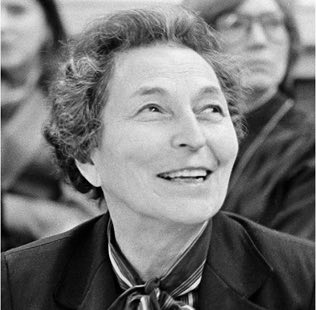
Anna Jacobson Schwartz
Perhaps the most widely acclaimed female research economist of the twentieth century, Anna Jacobson Schwartz has been described as “one of the world’s greatest monetary scholars.” In 1941, after a five year career with Columbia University’s Social Science Research Council, Schwartz began her more than seventy year tenure working for the National Bureau of Economic Research. During her time at the National Bureau, Schwartz met and began working with Milton Friedman and together, the two coauthored A Monetary History of the United States, 1867 – 1960. Described by Federal Reserve chairman, Ben Bernanke, as “the leading and most persuasive explanation of the worst economic disaster in American history,” the text is one of the most widely cited in economics. Schwartz was also considered a leading financial historian and expert on monetary statistics in the United States and Britain.
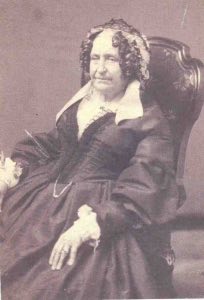
Emma Hart Willard
During her lifetime, Emma Hart Willard blazed an extraordinary trail on behalf of women’s education. A teacher by trade, Willard opened a girls’ school in her home in 1814 and was struck by the contrast between the education she could offer her women students and the education provided to men at nearby Middlebury College. She crafted A Plan for Improving Female Education, a document in which she advocated equal education for women at the academy level. In 1819, at the encouragement of Governor DeWitt Clinton, Willard opened a school in Waterford, New York which closed shortly afterward due to a lack of funding. Two years later, she founded Troy Female Seminary in Troy, New York (1821), the first school of higher learning for women. The seminary was renamed the Emma Willard School in her honor in 1895.
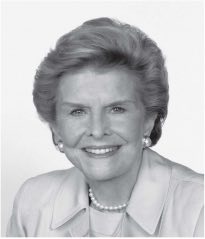
Betty Ford
A groundbreaking First Lady, Betty Ford is often remembered for her candor in addressing the controversial issues of her time. Shortly after she became the First Lady of the United States in 1974, Ford was diagnosed with breast cancer and underwent a radical mastectomy. Rather than suppressing the diagnosis, Ford courageously shared her personal story and inspired countless women across the nation to get breast examinations. In 1978, following a family intervention, Ford underwent successful treatment for addiction to alcohol and prescription drugs. She again used her story to raise public awareness of addiction, and in 1982, she co-founded the Betty Ford Center to treat victims of alcohol and chemical dependency. Ford was awarded the Presidential Medal of Freedom in 1991 and the Congressional Gold Medal, with President Gerald R. Ford, in 1999.
Nancy Pelosi
For twenty-five years, Nancy Pelosi has broken ground for women in politics. As the representative from California’s 12th district, Pelosi has focused her political career on strengthening America’s middle class and creating jobs, reforming the political system to create clean campaigns and fair elections, enacting comprehensive immigration reform, and ensuring safety in America’s communities, neighborhoods and schools. In 2002, Pelosi became the first woman to lead a major political party in the United States as the Democratic Leader of the U.S. House of Representatives, and from 2007-2011, she served as the first female Speaker of the U.S. House of Representatives. Pelosi has spearheaded the passage of historic legislation, including the Affordable Care Act, the Student Aid and Fiscal Responsibility Act, the Lilly Ledbetter Fair Pay Act, and more.
Mother Mary Joseph Rogers, MM
A woman of extraordinary vision and drive, Mother Mary Joseph Rogers, MM founded the Maryknoll Sisters, the first United States based Catholic congregation of religious women dedicated to a global mission. While attending Smith College in 1904, Rogers was inspired by graduating Protestant students preparing to leave for missionary work in China, and following her graduation, she returned to Smith and started a mission club for Catholic students (1905). It was while organizing the club that she met Father James A. Walsh, director of Boston’s Office for the Propagation of the Faith, later founder of Maryknoll Fathers & Brothers, through whom she was inspired to establish a mission congregation for women. The Maryknoll Sisters were founded in 1912, and by the time of Rogers’ death in 1955, there were 1,065 sisters working in twenty countries and several cities in the United States.
Bernice Resnick Sandler
For more than forty years, Bernice Resnick Sandler has been a tireless advocate of educational equity for women and girls. In 1970, Sandler filed the first charges of sex discrimination against 250 educational institutions. It was this strategy that led to the first federal investigations of campus sex discrimination at a time when no laws existed to prohibit discrimination based on sex in education. Subsequently, Sandler was instrumental in the development, passage and implementation of Title IX, the legislation that prohibits discrimination on the basis of sex in any federally funded education program or activity. An expert in strategies and policies to prevent and respond to sex discrimination in higher education, Sandler has given more than 2,500 presentations. She currently serves as a Senior Scholar in Residence at the Women’s Research and Education Institute in Washington, DC.
Anna Jacobson Schwartz
Perhaps the most widely acclaimed female research economist of the twentieth century, Anna Jacobson Schwartz has been described as “one of the world’s greatest monetary scholars.” In 1941, after a five year career with Columbia University’s Social Science Research Council, Schwartz began her more than seventy year tenure working for the National Bureau of Economic Research. During her time at the National Bureau, Schwartz met and began working with Milton Friedman and together, the two coauthored A Monetary History of the United States, 1867 – 1960. Described by Federal Reserve chairman, Ben Bernanke, as “the leading and most persuasive explanation of the worst economic disaster in American history,” the text is one of the most widely cited in economics. Schwartz was also considered a leading financial historian and expert on monetary statistics in the United States and Britain.
Emma Hart Willard
During her lifetime, Emma Hart Willard blazed an extraordinary trail on behalf of women’s education. A teacher by trade, Willard opened a girls’ school in her home in 1814 and was struck by the contrast between the education she could offer her women students and the education provided to men at nearby Middlebury College. She crafted A Plan for Improving Female Education, a document in which she advocated equal education for women at the academy level. In 1819, at the encouragement of Governor DeWitt Clinton, Willard opened a school in Waterford, New York which closed shortly afterward due to a lack of funding. Two years later, she founded Troy Female Seminary in Troy, New York (1821), the first school of higher learning for women. The seminary was renamed the Emma Willard School in her honor in 1895.
Betty Ford
A groundbreaking First Lady, Betty Ford is often remembered for her candor in addressing the controversial issues of her time. Shortly after she became the First Lady of the United States in 1974, Ford was diagnosed with breast cancer and underwent a radical mastectomy. Rather than suppressing the diagnosis, Ford courageously shared her personal story and inspired countless women across the nation to get breast examinations. In 1978, following a family intervention, Ford underwent successful treatment for addiction to alcohol and prescription drugs. She again used her story to raise public awareness of addiction, and in 1982, she co-founded the Betty Ford Center to treat victims of alcohol and chemical dependency. Ford was awarded the Presidential Medal of Freedom in 1991 and the Congressional Gold Medal, with President Gerald R. Ford, in 1999.