Discover the Women of the Hall
These are the Inductees of the National Women’s Hall of Fame. Select any of the women to discover their stories and learn how they have influenced other women and this country.
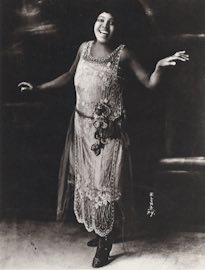 Bessie Smith
Arts
c.1894
Tennessee
1984
Bessie Smith
One the nation’s great blues singers, Smith earned stardom from her first record 1923’s “Down Hearted Blues,” which sold two million records. The “Empress of the Blues,” made more than 160 recordings with many of the country’s finest jazz musicians.
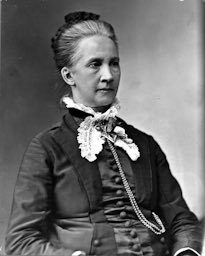 Belva Lockwood
Government
1830
New York
1983
Belva Lockwood
First woman to practice law and argue a case before the U.S. Supreme Court (1879). Lockwood became a lawyer when she was 40 and used her knowledge to help secure women’s suffrage, property law reforms, pay equity and world peace. She helped open the legal profession to women.
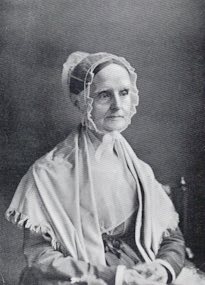 Lucretia Mott
Humanities
1793
1983
Lucretia Mott
Quaker anti-slavery advocate, who, after meeting Elizabeth Cady Stanton, became a leader in the women’s rights movement. Mott was a planner of the first Women’s Rights Convention in Seneca Falls in 1848, and she remained true to her sense of justice for African Americans and women throughout her life.
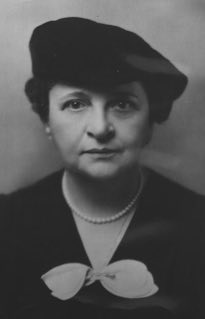 Frances Perkins
Government
1880
Massachusetts
1982
Frances Perkins
Public official and first woman to hold a Presidential Cabinet office and first woman Secretary of Labor. Appointed by President Roosevelt in 1932, she served for all of his terms, 1933-1945.
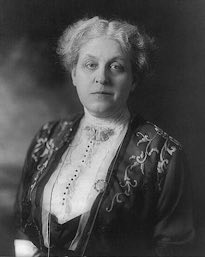 Carrie Chapman Catt
Humanities
1859
Wisconsin
1982
Carrie Chapman Catt
Tenacious women’s suffrage organizer whose efforts at the helm of the National American Women Suffrage Association put forth the “winning plan” that led to state-by-state enactments of suffrage and the final victory in 1920.
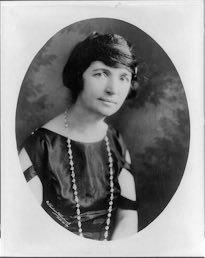 Margaret Sanger
Humanities
1879
1981
Margaret Sanger
Nurse and social reformer. After seeing many poor women in New York City damaged and dying from attempts to end unwanted pregnancies, she fought for reform. Sanger underwent arrests and imprisonment for distributing information on birth control and contraception.
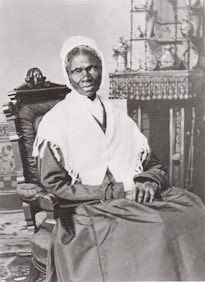 Sojourner Truth
Humanities
c.1797
New York
1981
Sojourner Truth
Abolitionist born a slave who became a Quaker missionary. Truth eventually became a traveling preacher of great influence who worked in the antislavery movement. She learned about women’s rights, and adopted that cause as well. She went on to counsel and help newly freed African Americans.
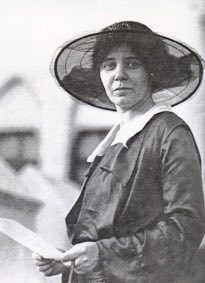 Alice Paul
Humanities
1885
1979
Alice Paul
Social reformer. Reared a Quaker, Paul found most of the women’s suffrage movement too slow and passive. After earning a Ph.D. from the University of Pennsylvania in 1912, she campaigned aggressively for women’s suffrage, using picketing and demonstrations to draw attention to the issue. Paul founded the women’s party, which demanded passage of the Equal Rights Amendment.
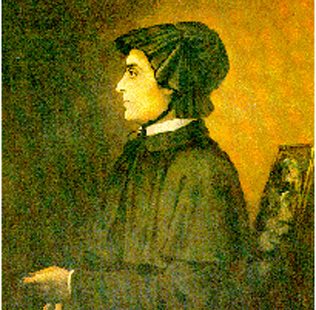 Elizabeth Bayley Seton
Humanities
1774
1979
Elizabeth Bayley Seton
The first native-born American woman to be canonized a saint by the Roman Catholic Church. After raising a family, “Mother Seton” became a Sister of Charity and worked as an educator and leader of the order. She was known for her extraordinary virtue and kindness, and incidents of miraculous healing are attributed to her.
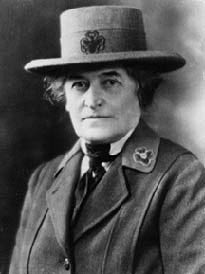 Juliette Gordon Low
Humanities
1860
Georgia
1979
Juliette Gordon Low
As a tireless champion of young girls, Juliette Gordon Low founded the Girl Scouts of the USA (1912). Today, there are more than 3 million girl and adult members of the Girl Scouts of the USA.
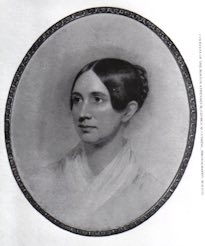 Dorothea Dix
Humanities
1802
Maine
1979
Dorothea Dix
One of the nation’s earliest and most effective advocates for better care of the mentally ill. When Dix saw that such people were badly treated in institutions, she lobbied nationwide for humane treatment and reform.
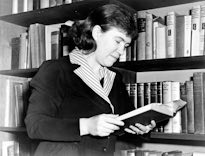 Margaret Mead
Science
1901
1976
Margaret Mead
Trailblazing anthropologist whose book, Coming of Age in Samoa, caused scientific and social rethinking of adolescence. Mead’s career included the study of numerous tribes as well as extensive and innovative field work.
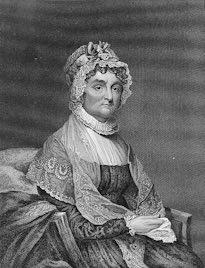 Abigail Adams
Humanities
1744
Massachusetts
1976
Abigail Adams
Influential letter writer who urged her husband, President John Adams to “Remember the Ladies” and permit women to legally own property. She identified this major obstacle to women’s equality, which was overcome years later.
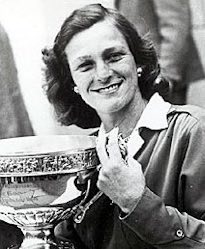 Mildred "Babe" Didrikson Zaharias
Athletics
1911
Texas
1976
Mildred "Babe" Didrikson Zaharias
One of the century’s premier athletes. Zaharias won track and field gold medals at the 1932 Olympics. She later became a golf champion and founded the Ladies Professional Golf Association. Zaharias inspired generations of women to develop athletic skills.
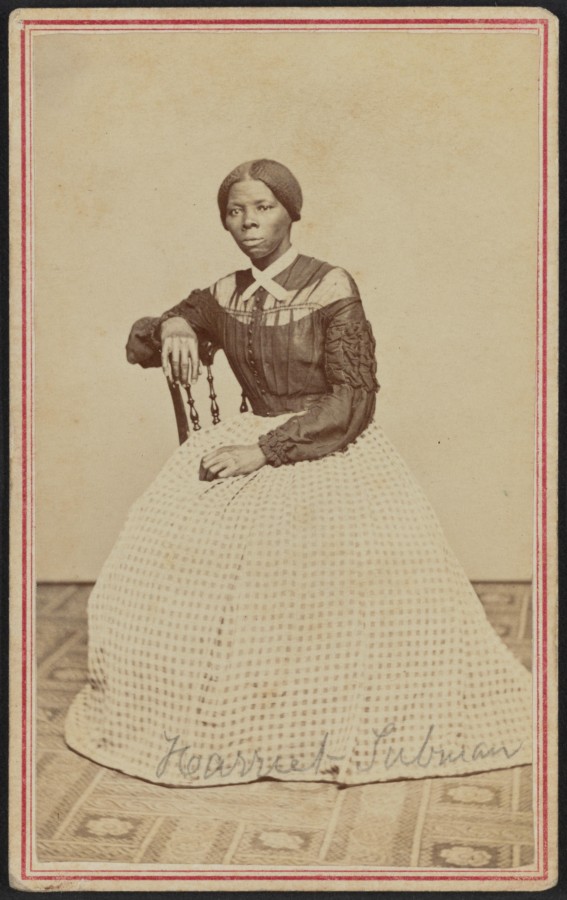 Harriet Tubman
Humanities
c.1820
Maryland
1973
Harriet Tubman
Abolitionist born a slave in Maryland. Fleeing north to freedom, Tubman joined the Underground Railroad as a “conductor” who led people through the lines to freedom. Credited with saving more that 300 people from slavery, she became known as “Moses.” During the Civil War, Tubman organized former slaves into scouts and spy patrols, and after the war worked to help needy African Americans.
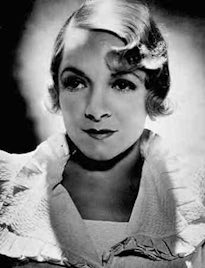 Helen Hayes
Arts
1900
1973
Helen Hayes
A major actress in all entertainment areas, from live theater to films and radio. In 1955, New York’s Fulton Theatre was renamed in her honor to commemorate a distinguished 50-year career.
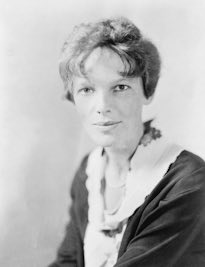 Amelia Earhart
Science
1897
Kansas
1973
Amelia Earhart
The first woman to fly across the Atlantic Ocean, and the first to fly solo across the Pacific Ocean. Earhart was a strong individual who inspired other women to take risks in non-traditional arenas.
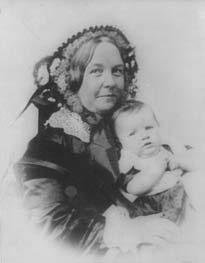 Elizabeth Cady Stanton
Humanities
1815
New York
1973
Elizabeth Cady Stanton
Suffragist and reformer. Stanton noticed from her earliest years that women were not treated equally with men. In 1848, she and others convened the first Women’s Rights Convention in Seneca Falls, New York, bringing 300 individuals together, including Frederick Douglass. Stanton determined that the right to vote was the key to women’s equality. Throughout her life and partnership with Susan B. Anthony, she wrote and argued brilliantly for women’s equality through the right to vote.
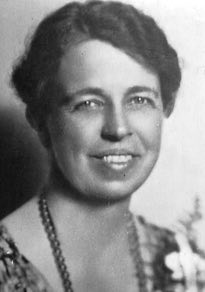 Eleanor Roosevelt
Humanities
1884
1973
Eleanor Roosevelt
Trailblazing First Lady and wife of President Franklin Roosevelt. She spent her adult years working in politics and social reform. Her warmth and compassion inspired the nation, and she later became U.S. Delegate to the United Nations. The U.N. Declaration of Human Rights was largely her work, and she chaired the first-ever Presidential Commission on the Status of Women (1961).
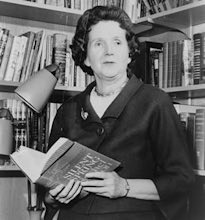 Rachel Carson
Science
1907
Pennsylvania
1973
Rachel Carson
Zoologist whose concern over the damaging effects of pesticides and other poisons on the environment led to her groundbreaking work, Silent Spring. Carson’s book was a catalyst for the environmental movement of today.
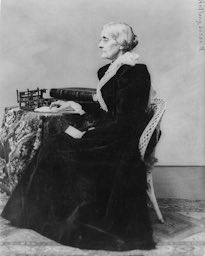 Susan B. Anthony
Humanities
1820
Massachusetts
1973
Susan B. Anthony
The women’s movement’s most powerful organizer whose lifetime of dedication, and work with Elizabeth Cady Stanton, paved the way for women’s right to vote. Her words “Men their rights and nothing more; women their rights and nothing less,” expressed the ongoing struggle for equality.
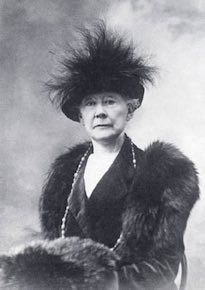 Mary Cassatt
Arts
1844
Pennsylvania
1973
Mary Cassatt
American impressionist painter who captured the soul of family life, women, children, interiors and gardens. A friend and student of the great Impressionists of Paris, Cassatt powerfully influenced American art.
 Emily Dickinson
Arts
1830
Massachusetts
1973
Emily Dickinson
One of the world’s greatest poets. A New England woman who spent much of her life in one small community, her world vision and innovative style has had a lasting impact on literature.
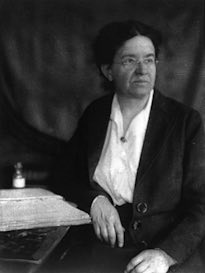 Florence Sabin
Science
1871
Colorado
1973
Florence Sabin
First woman graduate of the Johns Hopkins School of Medicine and the first woman to teach there. A talented anatomist and researcher, Sabin performed pioneering work in embryology, the lymphatic system and tuberculosis.