Discover the Women of the Hall
These are the Inductees of the National Women’s Hall of Fame. Select any of the women to discover their stories and learn how they have influenced other women and this country.
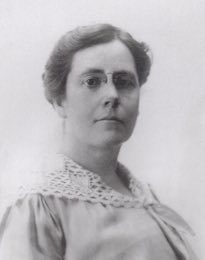 Marian de Forest
Arts, Humanities
1864
New York
2001
Marian de Forest
Founder of Zonta (1919, Buffalo, NY), a worldwide organization of women business and professional leaders dedicated to improving the legal, political, and economic status of women. Membership now runs 35,000 with 1,214 clubs in 68 countries.
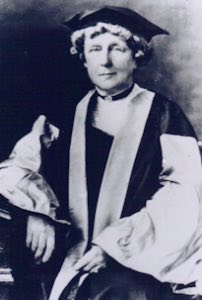 Annie Jump Cannon
Science
1863
Delaware
1994
Annie Jump Cannon
Astronomer who perfected the universal system of stellar classification. While working at Harvard Observatory, Cannon compiled the largest accumulation of astronomical information ever assembled by an individual.
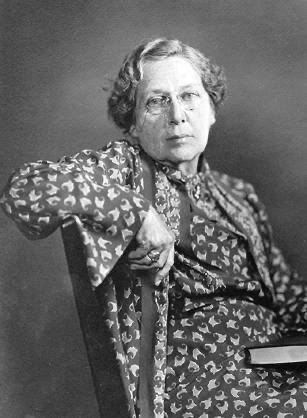 Anna Wessels Williams
Science
1863
New Jersey
2024
Anna Wessels Williams
Dr. Anna Wessels Williams was a pioneer in the field of immunology. She earned her medical degree from the Women’s Medical College in New York before joining the nation’s first municipal diagnostic laboratory at the New York City Department of Health.
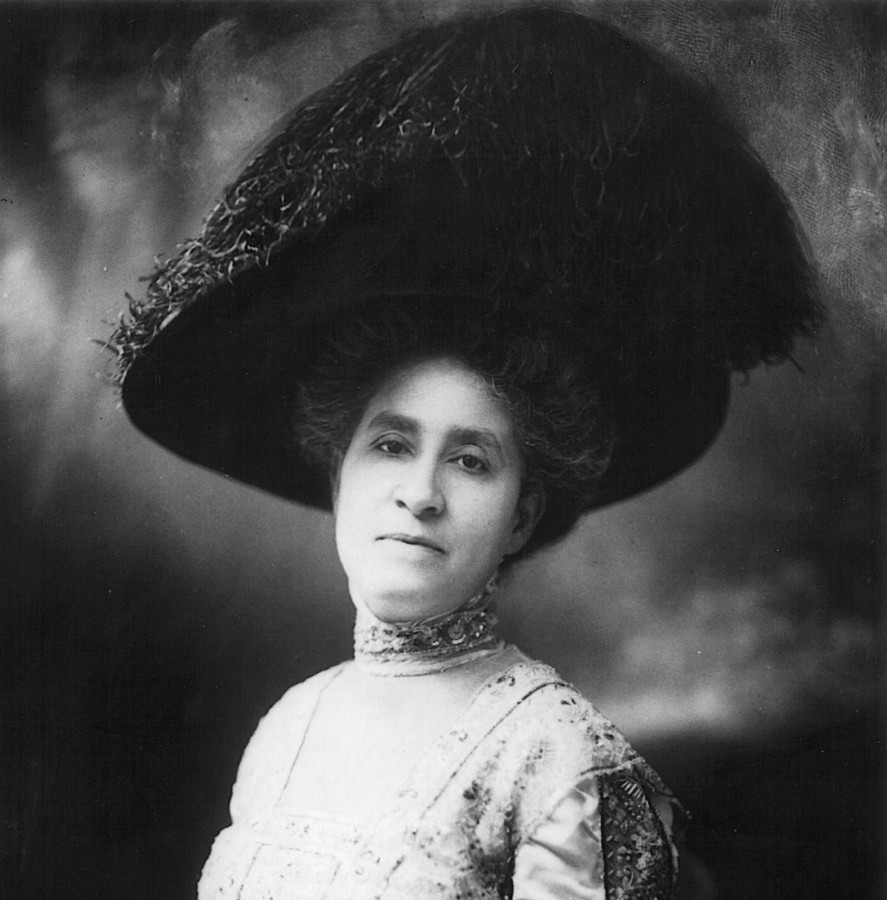 Mary Church Terrell
Government
1863
2020
Mary Church Terrell
One of the most prominent activists of her era with a career that spanned well into the civil rights movements of the1950’s. Terrell believed in racial uplift and equal opportunity, actively campaigning for women’s and Black women’s suffrage.
 Ida B. Wells-Barnett
Arts, Humanities
1862
Mississippi
1988
Ida B. Wells-Barnett
African American leader, anti-lynching crusader, journalist, lecturer and community organizer who fought social injustice all her life. Wells-Barnett sued a railroad over segregated seating, criticized segregated education and became editor and part owner of a newspaper. The horrors of lynching inspired her to lead a major effort to abolish the atrocity.
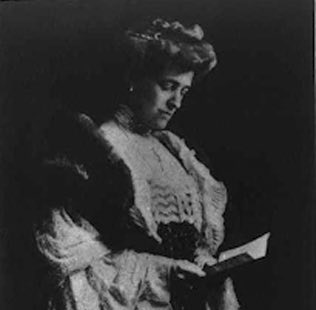 Edith Wharton
Arts
1862
New York
1996
Edith Wharton
American novelist and short story writer of the 20th century. The first woman to receive the Pulitzer Prize for fiction (for The Age of Innocence, 1929), Wharton was a prolific writer who averaged more than a book a year after the age of 40 until her death.
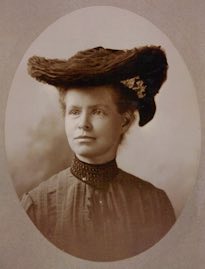 Nettie Stevens
Science
1861
Vermont
1994
Nettie Stevens
Research biologist who identified that the “X” and “Y” chromosomes determined the sex of humans, ending scientific debate as to whether sex was determined by heredity or other factors. Stevens was a biology professor at Bryn Mawr College throughout her career.
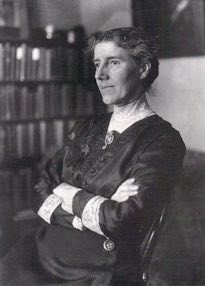 Charlotte Perkins Gilman
Arts
1860
Connecticut
1994
Charlotte Perkins Gilman
Philosopher, writer, educator and activist who demanded equal treatment for women as the best means to advance society’s progress. Her landmark Women and Economics (1898) argued that until women gained economic independence, real autonomy and equity could not be achieved.
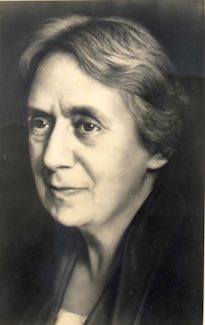 Henrietta Szold
Humanities
1860
Maryland
2007
Henrietta Szold
The daughter of Hungarian immigrants, educator and social pioneer Henrietta Szold was an important figure in both American and Jewish history. In 1889, she opened a night school to educate immigrants in English and civics, creating a model for other night schools and immigrant education programs. Her groundbreaking work in the American Jewish community continued with her founding of Hadassah, the Women’s Zionist Organization of America, in 1912. Ms. Szold moved to pre-state Israel in 1920, continuing her work with the American Zionist Medical Unit, which she organized in 1918.
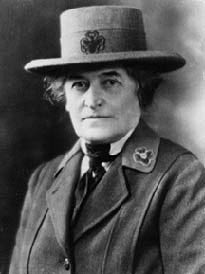 Juliette Gordon Low
Humanities
1860
Georgia
1979
Juliette Gordon Low
As a tireless champion of young girls, Juliette Gordon Low founded the Girl Scouts of the USA (1912). Today, there are more than 3 million girl and adult members of the Girl Scouts of the USA.
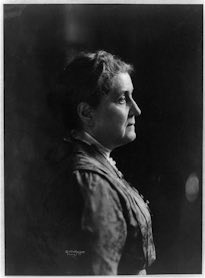 Jane Addams
Humanities
1860
Illinois
1973
Jane Addams
Social reformer and peace activist who created Hull House in the slums of Chicago, starting an American settlement house movement to provide help for the poor. A lifelong activist, Addams fought child labor, infant mortality and dangerous workplaces. Founder of the Women’s International League for Peace and Freedom, she won the Nobel Prize for Peace in 1931.
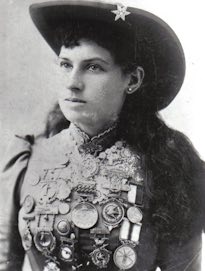 Annie Oakley
Arts
1860
Ohio
1993
Annie Oakley
Markswoman, was probably the nation’s finest. A performer for many years with Buffalo Bill’s Wild West Show, Oakley was a staunch supporter of other women’s opportunities and raised funds to send needy women to college and nursing school.
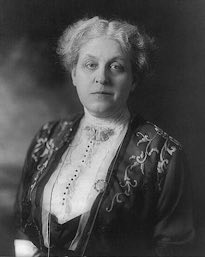 Carrie Chapman Catt
Humanities
1859
Wisconsin
1982
Carrie Chapman Catt
Tenacious women’s suffrage organizer whose efforts at the helm of the National American Women Suffrage Association put forth the “winning plan” that led to state-by-state enactments of suffrage and the final victory in 1920.
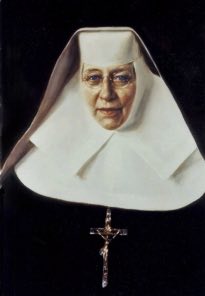 St. Katharine Drexel
Humanities
1858
Pennsylvania
2011
St. Katharine Drexel
A missionary who dedicated her life and fortune to aid Native Americans and African Americans, Saint Katharine Drexel is only the second recognized American-born saint. In 1891, Saint Katharine founded the Sisters of the Blessed Sacrament, a religious order that today remains devoted to the education and care of Native Americans and African Americans. During her lifetime, Saint Katharine and her order founded more than sixty missions and schools, including Xavier University of Louisiana. Saint Katharine was beatified in 1988 and canonized in 2000.
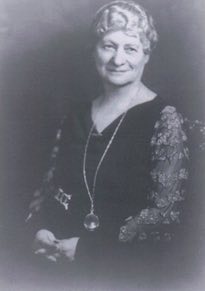 Hannah Greenebaum Solomon
Humanities
1858
Illinois
1995
Hannah Greenebaum Solomon
Club woman and welfare worker on matters relating to child welfare, she organized a nationwide Jewish Women’s Congress as part of the 1890’s World’s Fair. It later became the National Council of Jewish Women, to which she was elected its first president.
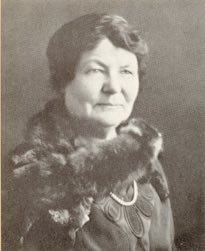 Martha Matilda Harper
Business
1857
Canada
2003
Martha Matilda Harper
After 25 years of low-wage service, Martha Matilda Harper started a beauty products system called the Harper Method, eventually realizing over 500 franchises world-wide in the 1920s. Harper is credited with creating the modern retail franchising method. She was also known as a social justice advocate ahead of her time, offering evening hours for working women, profit-sharing and personal time off. She refused to use permanents or hair dyes in her salons because of the associated chemicals.
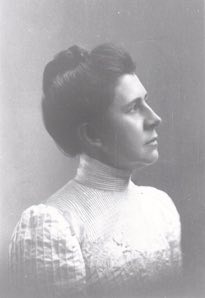 Ida Tarbell
Arts
1857
Pennsylvania
2000
Ida Tarbell
Writer and editor, her expose of the Standard Oil Trust in the 1904 publication The History of the Standard Oil Company prompted the federal government to prosecute and break up Standard Oil for anti-trust violations. She founded the American Magazin, authored several biographies, and, in spite of her 1912 anti-feminist book, The Business of Being a Woman, remains a role model for women and men in journalism.
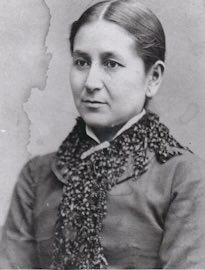 Susette La Flesche
Humanities
1854
Nebraska
1994
Susette La Flesche
Member of the Omaha Tribe and a tireless campaigner for native American rights. La Flesche was the first Native American published lecturer, artist and author. She helped change national perceptions about the rights of Native Americans.
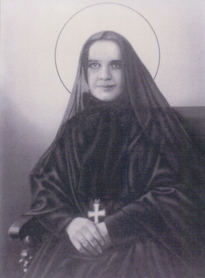 St. Frances Xavier Cabrini
Humanities
1850
Italy
1996
St. Frances Xavier Cabrini
Established orphanages, day care centers, schools, clinics and hospitals for immigrants in the United States and around the world. She established a missionary order of women and was the first American citizen to be canonized a saint.
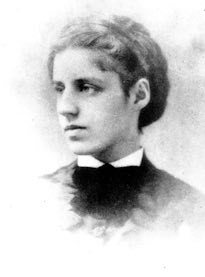 Emma Lazarus
Arts
1849
New York
2009
Emma Lazarus
“Give me your tired, your poor, your huddled masses yearning to breathe free.” These famous words from The New Colossus, were written by Emma Lazarus, one of the first successful Jewish American authors. Originally created in 1883, the sonnet was later engraved in bronze and placed at the base of the Statue of Liberty. Throughout her lifetime, Lazarus authored and published numerous poems, essays, letters, short stories and translations. She was an important forerunner of the Zionist movement, having argued for the creation of a Jewish homeland thirteen years before the term Zionist was even coined.
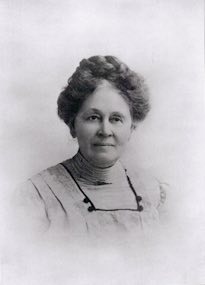 Emma Smith DeVoe
Humanities
1848
Illinois
2000
Emma Smith DeVoe
President of the Washington Equal Suffrage Association, successfully ran the campaign that resulted in Washington becoming the first state in the 20th century to grant full enfranchisement to women in 1910, a full decade before passage of the 19th Amendment. DeVoe established the first national organization of voting women, which eventually merged with the National League of Women Voters, leaving an invaluable legacy about the importance of the educated use of the franchise.
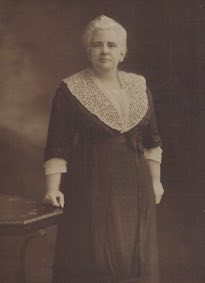 Anna Howard Shaw
Humanities
1847
England
2000
Anna Howard Shaw
A leader in the women’s suffrage movement, Shaw was a master orator for social justice, and the first woman to be ordained by the Protestant Methodist Church. She was the first living American woman to be awarded the U.S. Distinguished Service Medal.
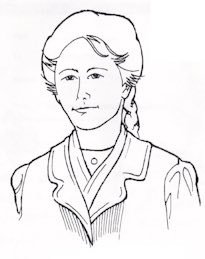 Kate Mullany
Humanities
1845
2000
Kate Mullany
Founder and organizer of the Collar Laundry Union in 1864, she led a strike of 200 laundresses in Troy, NY, which resulted in a 25% wage increase and improvement of working conditions. Her efforts to organize women in New York City and financially assist both male and female unions were rewarded when she was appointed as an assistant secretary of the National Labor Union, making her the first female to hold a national labor post.
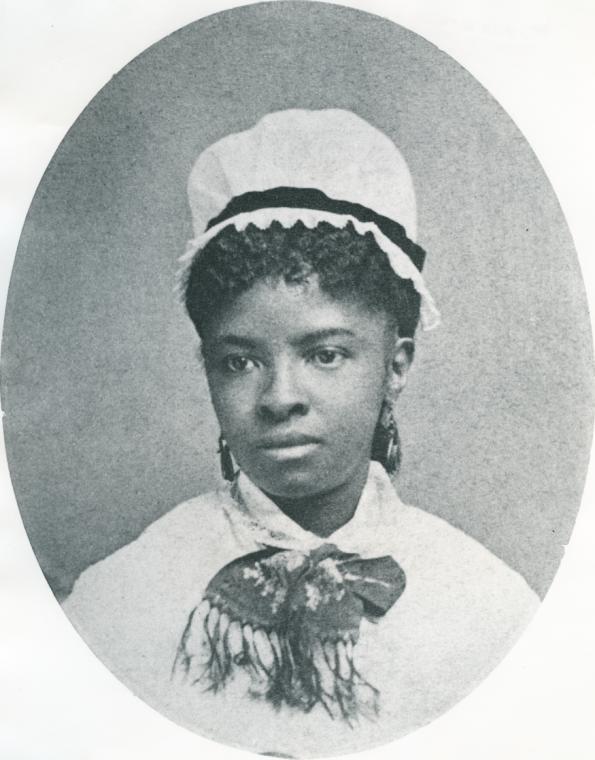 Mary Mahoney
Science
1845
Massachusetts
1993
Mary Mahoney
First African American woman to study and work as a professionally trained nurse. Mahoney received her diploma from the New England Hospital in 1879, one of only four of 18 to pass the difficult course.