Discover the Women of the Hall
These are the Inductees of the National Women’s Hall of Fame. Select any of the women to discover their stories and learn how they have influenced other women and this country.
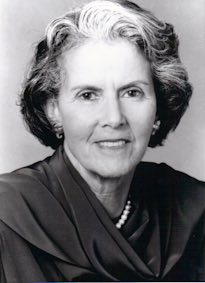
Felice N. Schwartz
Founder in 1962 of Catalyst, the premier organization working with corporations to foster women’s leadership. She published studies (Women in Corporate Leadership in 1990 and Women in Engineering in 1992) illustrating the barriers to women’s workplace progress and then provided samples of model corporate practices to help women advance. Her work has had a lasting impact on the composition of American corporate leadership.
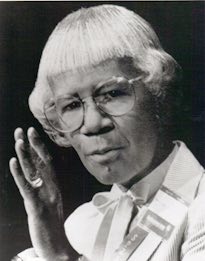
Shirley Chisholm
First African American woman elected to the U.S. Congress. Chisholm was also the first African American woman to receive delegate votes for the presidential nomination of a major party. A member of Congress for many years, she was also an educator and writer.
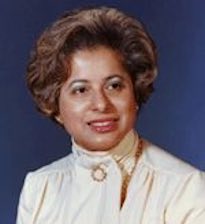
Patricia Roberts Harris
In 1965, President Lyndon B. Johnson appointed Harris ambassador to Luxembourg, making her the first African-American women to hold the position of ambassador. She then served as the first African-American woman to head a law school, when she was appointed dean of Howard University School of Law in 1969. In 1977, President Jimmy Carter chose Harris to be Secretary of Housing and Urban Development and eventually Secretary of Health, Education and Welfare, thus making her the first African-American woman to be appointed a Cabinet Secretary.
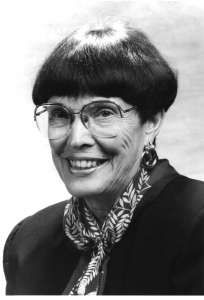
Helen Murray Free
A pioneering chemist, Helen Murray Free conducted research that revolutionized diagnostic testing in the laboratory and at home. Free is the co-developer of Clinistix, the first dip-and-read diagnostic test strips for monitoring glucose in urine. Along with her husband, Alfred Free, she also developed additional strips for testing levels of key indicators for other diseases. Today, dip-and-read strips make testing for diabetes, pregnancy, and other conditions available in underdeveloped regions of the United States and in foreign countries. Free is the recipient of numerous awards, including the National Medal of Technology and Innovation and the American Chemical Society’s 66th National Historic Chemical Landmark designation (2010).
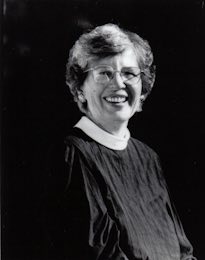
Betty Bone Schiess
Religious leader. Schiess led the successful effort in 1974 to have women ordained as priests in the Episcopal Church in America, elevating the position of women in the Episcopal Church at all levels.
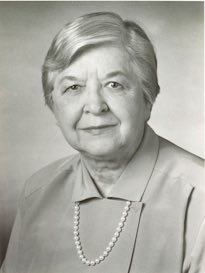
Stephanie L. Kwolek
Interested in science and medicine from a young age, Kwolek graduated from Carnegie Institute of Technology and then took a job at DuPont Chemicals to save for graduate studies. However, her love of working with polymers kept her at DuPont, where she discovered the fiber that led to the development of Kevlar, a bulletproof material five times stronger than steel. Kwolek is the recipient or co-recipient of 17 U.S. patents.
Felice N. Schwartz
Founder in 1962 of Catalyst, the premier organization working with corporations to foster women’s leadership. She published studies (Women in Corporate Leadership in 1990 and Women in Engineering in 1992) illustrating the barriers to women’s workplace progress and then provided samples of model corporate practices to help women advance. Her work has had a lasting impact on the composition of American corporate leadership.
Shirley Chisholm
First African American woman elected to the U.S. Congress. Chisholm was also the first African American woman to receive delegate votes for the presidential nomination of a major party. A member of Congress for many years, she was also an educator and writer.
Patricia Roberts Harris
In 1965, President Lyndon B. Johnson appointed Harris ambassador to Luxembourg, making her the first African-American women to hold the position of ambassador. She then served as the first African-American woman to head a law school, when she was appointed dean of Howard University School of Law in 1969. In 1977, President Jimmy Carter chose Harris to be Secretary of Housing and Urban Development and eventually Secretary of Health, Education and Welfare, thus making her the first African-American woman to be appointed a Cabinet Secretary.
Helen Murray Free
A pioneering chemist, Helen Murray Free conducted research that revolutionized diagnostic testing in the laboratory and at home. Free is the co-developer of Clinistix, the first dip-and-read diagnostic test strips for monitoring glucose in urine. Along with her husband, Alfred Free, she also developed additional strips for testing levels of key indicators for other diseases. Today, dip-and-read strips make testing for diabetes, pregnancy, and other conditions available in underdeveloped regions of the United States and in foreign countries. Free is the recipient of numerous awards, including the National Medal of Technology and Innovation and the American Chemical Society’s 66th National Historic Chemical Landmark designation (2010).
Betty Bone Schiess
Religious leader. Schiess led the successful effort in 1974 to have women ordained as priests in the Episcopal Church in America, elevating the position of women in the Episcopal Church at all levels.
Stephanie L. Kwolek
Interested in science and medicine from a young age, Kwolek graduated from Carnegie Institute of Technology and then took a job at DuPont Chemicals to save for graduate studies. However, her love of working with polymers kept her at DuPont, where she discovered the fiber that led to the development of Kevlar, a bulletproof material five times stronger than steel. Kwolek is the recipient or co-recipient of 17 U.S. patents.
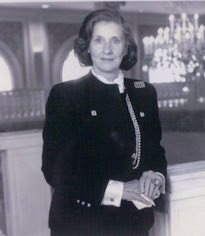
Wilhelmina Cole Holladay
Founder of the National Museum of Women in the Arts in Washington, D.C., which brings national and international attention to the vast achievements of women in art.
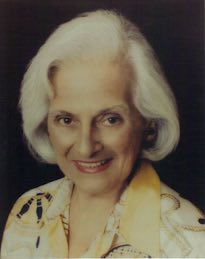
Mildred Robbins Leet
As Co-founder and Chairman of the Trickle Up Program, Inc., philanthropist Mildred Leet assisted people worldwide in rising out of poverty. Trickle Up provides seed capital to impoverished individuals, allowing them the opportunity to work their way to self-sufficiency. Leet also helped found United Cerebral Palsy and was a co-founder and Vice President of the U.S. Committee for the United Nations Development Fund for Women (UNIFEM).
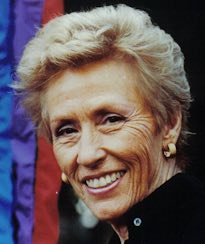
Jeanne Holm
In her 33 years in the Armed Forces from 1942 to 1975, Major General Holm, USAF, Retired, rose from private to two-star general. Her promotion in 1973 made her the first woman in the history of the U.S. armed forces to achieve the rank of major general. Her work to open ROTC and the military academies to women gave educational benefits and the opportunity for a professional military career to women from all walks of life.
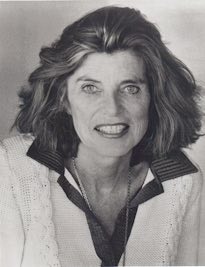
Eunice Kennedy Shriver
For more than thirty years, Eunice Kennedy Shriver served as a leader in the worldwide struggle to enhance the lives of people with intellectual disabilities. Under her leadership, the Joseph P. Kennedy, Jr. Foundation aided in the creation of The President’s Committee on Mental Retardation (1961) and the development of the National Institute for Child Health and Human Development (1962). Shriver is credited as the founder of the Special Olympics, an organization that today serves 3 million people with intellectual disabilities in nearly 200 nations around the world.
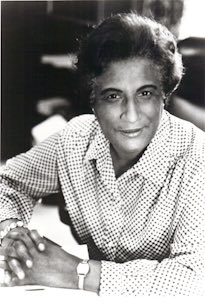
Constance Baker Motley
Attorney and jurist who, after performing landmark work with the NAACP with Thurgood Marshall and others, became the first African American woman elected to the New York State Senate. Motley was the first woman and African American to become Manhattan Borough President; she was the first African American women named to the federal bench.
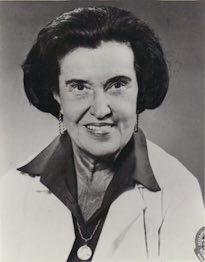
Rosalyn S. Yalow
First American woman trained in the U.S. to win the Nobel Prize for Medicine. Known for pioneering the use of radioisotopes to analyze physiological systems, Yalow made possible very detailed analysis of blood chemistry, saving lives and allowing for proper doses of medication.
Wilhelmina Cole Holladay
Founder of the National Museum of Women in the Arts in Washington, D.C., which brings national and international attention to the vast achievements of women in art.
Mildred Robbins Leet
As Co-founder and Chairman of the Trickle Up Program, Inc., philanthropist Mildred Leet assisted people worldwide in rising out of poverty. Trickle Up provides seed capital to impoverished individuals, allowing them the opportunity to work their way to self-sufficiency. Leet also helped found United Cerebral Palsy and was a co-founder and Vice President of the U.S. Committee for the United Nations Development Fund for Women (UNIFEM).
Jeanne Holm
In her 33 years in the Armed Forces from 1942 to 1975, Major General Holm, USAF, Retired, rose from private to two-star general. Her promotion in 1973 made her the first woman in the history of the U.S. armed forces to achieve the rank of major general. Her work to open ROTC and the military academies to women gave educational benefits and the opportunity for a professional military career to women from all walks of life.
Eunice Kennedy Shriver
For more than thirty years, Eunice Kennedy Shriver served as a leader in the worldwide struggle to enhance the lives of people with intellectual disabilities. Under her leadership, the Joseph P. Kennedy, Jr. Foundation aided in the creation of The President’s Committee on Mental Retardation (1961) and the development of the National Institute for Child Health and Human Development (1962). Shriver is credited as the founder of the Special Olympics, an organization that today serves 3 million people with intellectual disabilities in nearly 200 nations around the world.
Constance Baker Motley
Attorney and jurist who, after performing landmark work with the NAACP with Thurgood Marshall and others, became the first African American woman elected to the New York State Senate. Motley was the first woman and African American to become Manhattan Borough President; she was the first African American women named to the federal bench.
Rosalyn S. Yalow
First American woman trained in the U.S. to win the Nobel Prize for Medicine. Known for pioneering the use of radioisotopes to analyze physiological systems, Yalow made possible very detailed analysis of blood chemistry, saving lives and allowing for proper doses of medication.
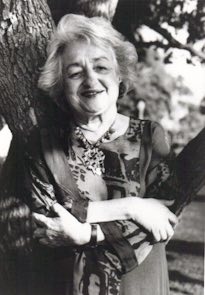
Betty Friedan
Reshaped American attitudes toward women’s lives and rights through decades of social activism, strategic thinking and powerful writing. Her book The Feminine Mystique (1963) triggered the contemporary women’s movement. Her latest work is the best-selling The Fountain of Age.
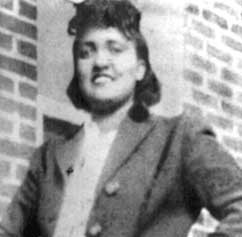
Henrietta Lacks
Lacks is best recognized for her immortal HeLa cells, which have been used in research that led to the development of the Polio vaccine, chemotherapy, and contributed to Parkinson’s research.
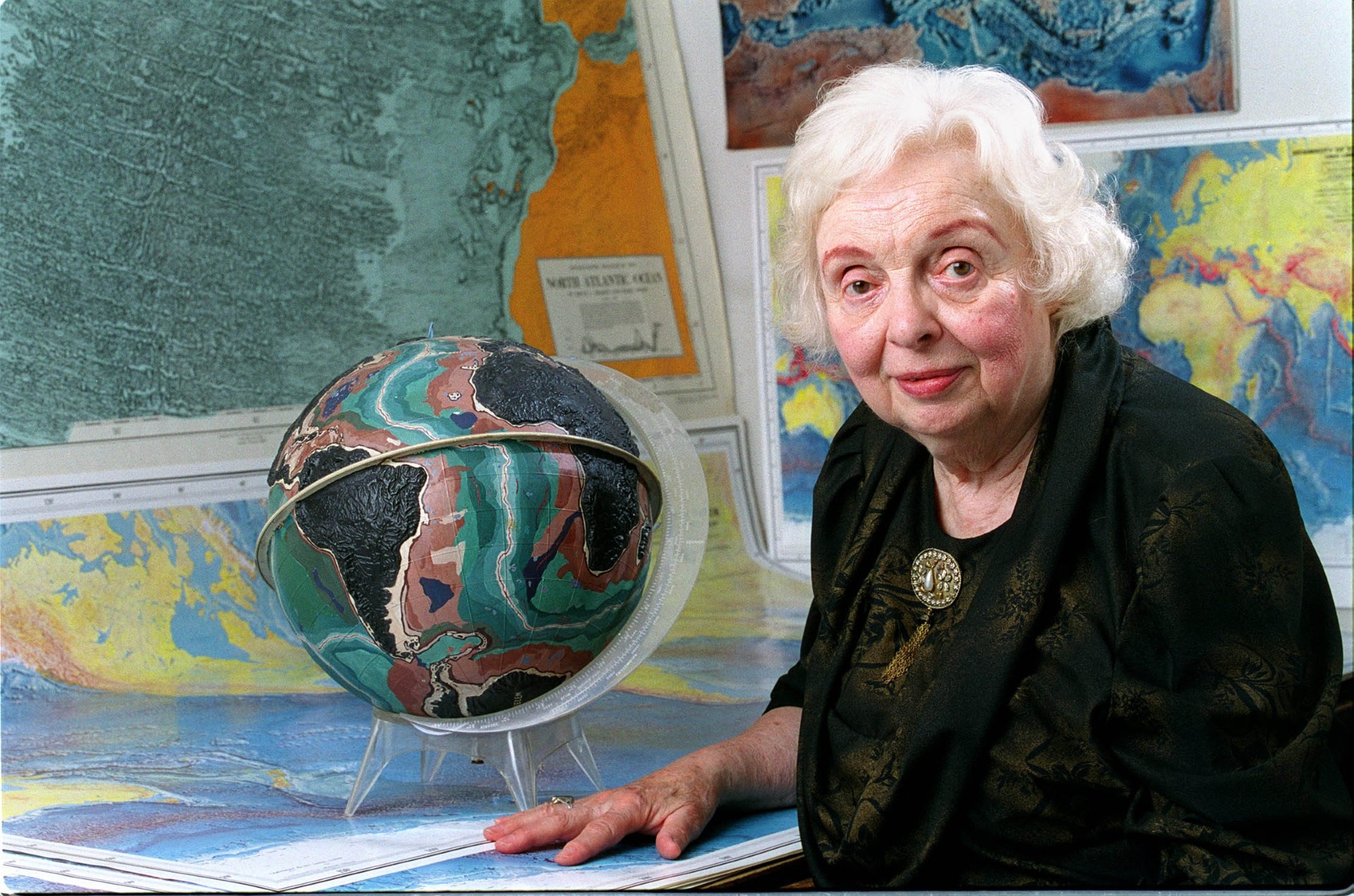
Marie Tharp
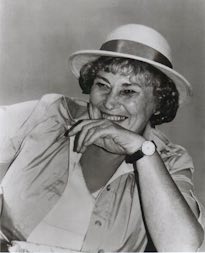
Bella Abzug
Civil rights and labor attorney elected to Congress from New York City in 1970. Abzug made her career as an advocate for women, the poor and those victimized by repression. A lifelong feminist activist, she played a major role in many national and international women’s conferences. Before her death, she chaired the Women’s Environment and Development Organization.
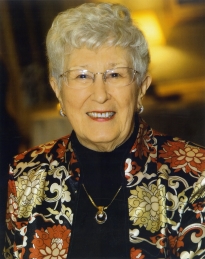
Loretta C. Ford
An internationally renowned nursing leader, Dr. Loretta C. Ford has devoted her career to practice, education, research, consultation and the delivery of health services. Dr. Ford is best known for co-founding the nurse practitioner model through her studies on the nurse’s expanded scope of practice in public health nursing. In 1972, Dr. Ford became the founding dean of the University of Rochester School of Nursing, where she implemented the unification model. Dr. Ford is the author of more than 100 publications and has served as a consultant and lecturer to multiple organizations and universities.
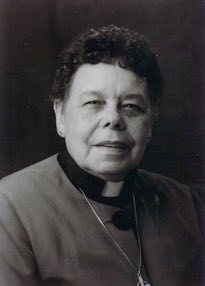
Leontine T.C. Kelly
A Methodist bishop, Leontine T.C. Kelly was the first African American woman to be elected bishop in the United Methodist Church. She served as bishop of the California-Nevada Annual Conference and the president of the Western Jurisdiction College of Bishops. Committed to peace and justice, she was arrested several times for protesting nuclear weapons, and was one of 18 bishops who signed a letter to the Methodist Church in response to its policy toward gays and lesbians in the church.
Betty Friedan
Reshaped American attitudes toward women’s lives and rights through decades of social activism, strategic thinking and powerful writing. Her book The Feminine Mystique (1963) triggered the contemporary women’s movement. Her latest work is the best-selling The Fountain of Age.
Henrietta Lacks
Lacks is best recognized for her immortal HeLa cells, which have been used in research that led to the development of the Polio vaccine, chemotherapy, and contributed to Parkinson’s research.
Bella Abzug
Civil rights and labor attorney elected to Congress from New York City in 1970. Abzug made her career as an advocate for women, the poor and those victimized by repression. A lifelong feminist activist, she played a major role in many national and international women’s conferences. Before her death, she chaired the Women’s Environment and Development Organization.
Loretta C. Ford
An internationally renowned nursing leader, Dr. Loretta C. Ford has devoted her career to practice, education, research, consultation and the delivery of health services. Dr. Ford is best known for co-founding the nurse practitioner model through her studies on the nurse’s expanded scope of practice in public health nursing. In 1972, Dr. Ford became the founding dean of the University of Rochester School of Nursing, where she implemented the unification model. Dr. Ford is the author of more than 100 publications and has served as a consultant and lecturer to multiple organizations and universities.
Leontine T.C. Kelly
A Methodist bishop, Leontine T.C. Kelly was the first African American woman to be elected bishop in the United Methodist Church. She served as bishop of the California-Nevada Annual Conference and the president of the Western Jurisdiction College of Bishops. Committed to peace and justice, she was arrested several times for protesting nuclear weapons, and was one of 18 bishops who signed a letter to the Methodist Church in response to its policy toward gays and lesbians in the church.
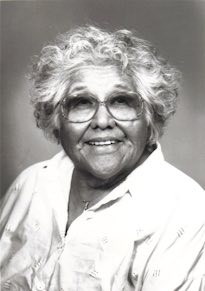
Katherine Siva Saubel
Founder of the Malki Museum at the Morongo Reservation in California. Born on a reservation in great poverty, Saubel became determined to preserve her tribe’s culture and language, despite overwhelming odds. A learned ethno anthropologist, Saubel was a founder of this first museum run by Native Americans.
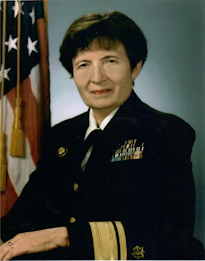
Faye Glenn Abdellah
First nurse to hold the rank of Rear Admiral and the title of Deputy Surgeon General for the United States. She developed the first tested coronary care unit. A national pioneer in nursing research, she has authored or co-authored more than 150 publications and helped change the focus of nursing from disease-centered to patient-centered.
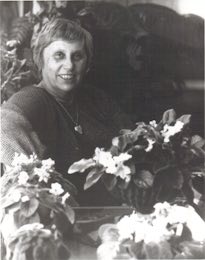
Ella Grasso
First woman elected a state governor in her own right. Grasso was elected Governor of Connecticut in 1974, serving until illness forced her retirement in 1980. She was also a Congresswoman and advocate for women, minorities and the elderly.
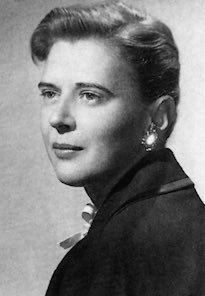
Beatrice A. Hicks
Engineer, inventor, and business owner, Beatrice Hicks was a pioneer in gaining recognition for women engineers at a time when less than 1% of all U.S. employed engineers were women. She was a founding member and first president of the Society of Women Engineers (1950), which now has a membership of more than 16,000.
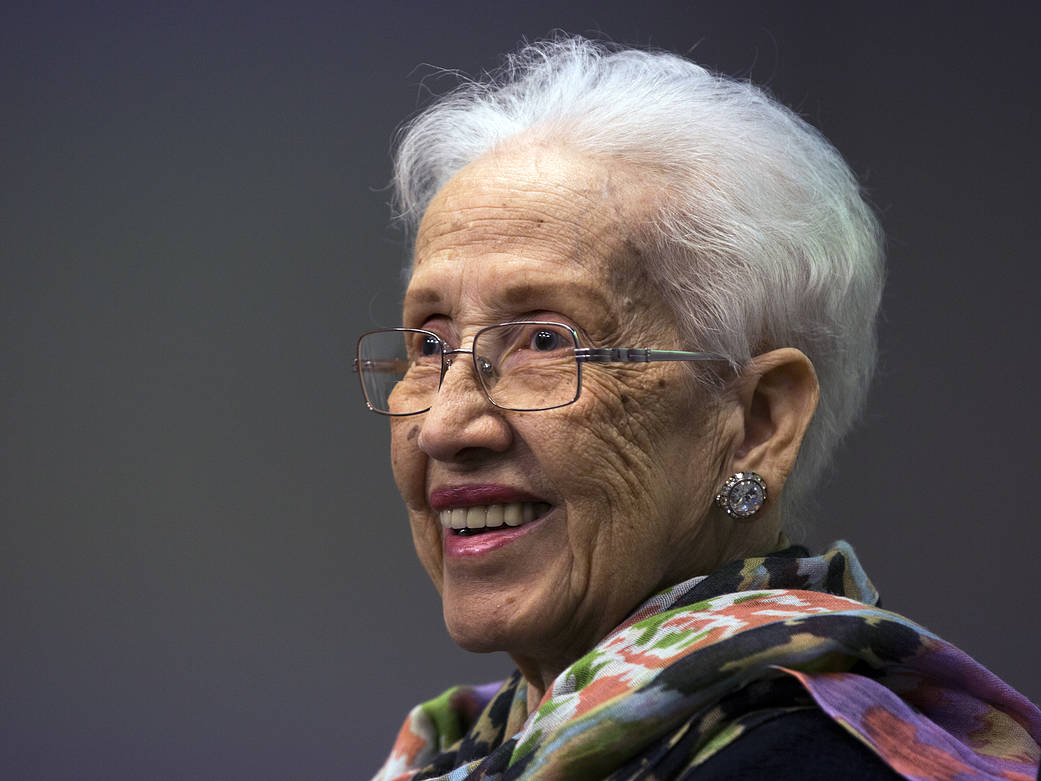
Katherine Johnson
Helen Stephens
Athlete who set a world record and won two track and field gold medals at the 1936 Olympics. As an amateur, Stephens set Olympic, American and Canadian records in running, broad jump and discus. The small-town Missouri girl went on to become the first woman owner/manager of a women’s semiprofessional ball team and a lifetime sports advocate.
Katherine Siva Saubel
Founder of the Malki Museum at the Morongo Reservation in California. Born on a reservation in great poverty, Saubel became determined to preserve her tribe’s culture and language, despite overwhelming odds. A learned ethno anthropologist, Saubel was a founder of this first museum run by Native Americans.
Faye Glenn Abdellah
First nurse to hold the rank of Rear Admiral and the title of Deputy Surgeon General for the United States. She developed the first tested coronary care unit. A national pioneer in nursing research, she has authored or co-authored more than 150 publications and helped change the focus of nursing from disease-centered to patient-centered.
Ella Grasso
First woman elected a state governor in her own right. Grasso was elected Governor of Connecticut in 1974, serving until illness forced her retirement in 1980. She was also a Congresswoman and advocate for women, minorities and the elderly.
Beatrice A. Hicks
Engineer, inventor, and business owner, Beatrice Hicks was a pioneer in gaining recognition for women engineers at a time when less than 1% of all U.S. employed engineers were women. She was a founding member and first president of the Society of Women Engineers (1950), which now has a membership of more than 16,000.
Katherine Johnson
Helen Stephens
Athlete who set a world record and won two track and field gold medals at the 1936 Olympics. As an amateur, Stephens set Olympic, American and Canadian records in running, broad jump and discus. The small-town Missouri girl went on to become the first woman owner/manager of a women’s semiprofessional ball team and a lifetime sports advocate.