Discover the Women of the Hall
These are the Inductees of the National Women’s Hall of Fame. Select any of the women to discover their stories and learn how they have influenced other women and this country.
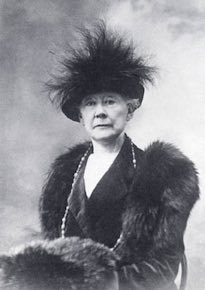
Mary Cassatt
American impressionist painter who captured the soul of family life, women, children, interiors and gardens. A friend and student of the great Impressionists of Paris, Cassatt powerfully influenced American art.
Emily Dickinson
One of the world’s greatest poets. A New England woman who spent much of her life in one small community, her world vision and innovative style has had a lasting impact on literature.
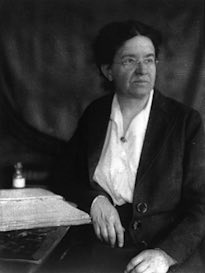
Florence Sabin
First woman graduate of the Johns Hopkins School of Medicine and the first woman to teach there. A talented anatomist and researcher, Sabin performed pioneering work in embryology, the lymphatic system and tuberculosis.
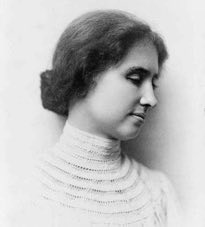
Helen Keller
Author and lecturer. An illness at the age of 19 months left her deaf, blind and mute. Through the work of teacher Anne Sullivan, she learned to overcome these daunting handicaps and became a powerful and effective national spokesperson on behalf of others with similar disabilities.
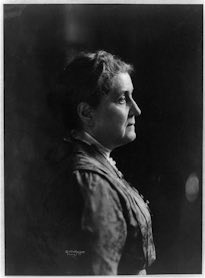
Jane Addams
Social reformer and peace activist who created Hull House in the slums of Chicago, starting an American settlement house movement to provide help for the poor. A lifelong activist, Addams fought child labor, infant mortality and dangerous workplaces. Founder of the Women’s International League for Peace and Freedom, she won the Nobel Prize for Peace in 1931.
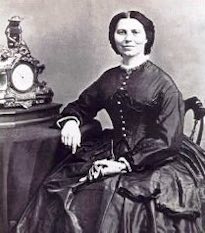
Clara Barton
Founder of the American Red Cross, Barton ministered to injured soldiers during the Civil War and became known as the “Angel of the Battlefield.” Devoted to the organization, she later took to the field, providing relief in the Spanish American War at the age of 77.
Mary Cassatt
American impressionist painter who captured the soul of family life, women, children, interiors and gardens. A friend and student of the great Impressionists of Paris, Cassatt powerfully influenced American art.
Emily Dickinson
One of the world’s greatest poets. A New England woman who spent much of her life in one small community, her world vision and innovative style has had a lasting impact on literature.
Florence Sabin
First woman graduate of the Johns Hopkins School of Medicine and the first woman to teach there. A talented anatomist and researcher, Sabin performed pioneering work in embryology, the lymphatic system and tuberculosis.
Helen Keller
Author and lecturer. An illness at the age of 19 months left her deaf, blind and mute. Through the work of teacher Anne Sullivan, she learned to overcome these daunting handicaps and became a powerful and effective national spokesperson on behalf of others with similar disabilities.
Jane Addams
Social reformer and peace activist who created Hull House in the slums of Chicago, starting an American settlement house movement to provide help for the poor. A lifelong activist, Addams fought child labor, infant mortality and dangerous workplaces. Founder of the Women’s International League for Peace and Freedom, she won the Nobel Prize for Peace in 1931.
Clara Barton
Founder of the American Red Cross, Barton ministered to injured soldiers during the Civil War and became known as the “Angel of the Battlefield.” Devoted to the organization, she later took to the field, providing relief in the Spanish American War at the age of 77.
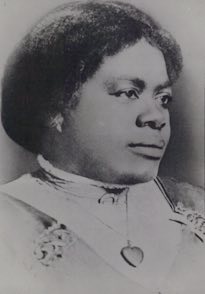
Mary McLeod Bethune
African American teacher who, with only $1.50, began a school to help educate young African American women. After developing it into a college, she became a powerful leader, and through her leadership of the National Council of Negro Women, worked to end discrimination and increase opportunities for African Americans.
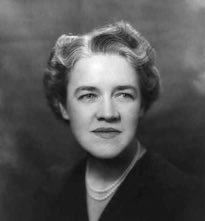
Margaret Chase Smith
Beginning her political career by assuming her deceased husband’s seat in the U.S. House of Representatives, she ran for and became a U.S. Senator from Maine. Margaret Chase Smith served four terms and was an advocate for a strong national defense.
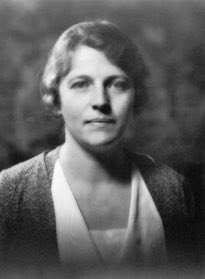
Pearl S. Buck
Novelist whose writing evoked two different cultures, American and Asian. Buck won the Pulitzer Prize for The Good Earth and was later the first American woman awarded the Nobel Prize in Literature for her body of work.
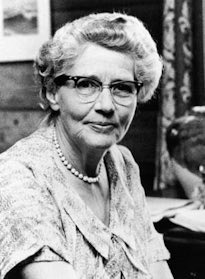
Helen Brooke Taussig
As Chief of the heart clinic at Johns Hopkins School of Medicine, she developed a pioneering operation in 1944 which solved the often fatal “blue baby” (children born with an anatomical heart defect) problem, saving countless infants.
Mary McLeod Bethune
African American teacher who, with only $1.50, began a school to help educate young African American women. After developing it into a college, she became a powerful leader, and through her leadership of the National Council of Negro Women, worked to end discrimination and increase opportunities for African Americans.
Margaret Chase Smith
Beginning her political career by assuming her deceased husband’s seat in the U.S. House of Representatives, she ran for and became a U.S. Senator from Maine. Margaret Chase Smith served four terms and was an advocate for a strong national defense.
Pearl S. Buck
Novelist whose writing evoked two different cultures, American and Asian. Buck won the Pulitzer Prize for The Good Earth and was later the first American woman awarded the Nobel Prize in Literature for her body of work.
Helen Brooke Taussig
As Chief of the heart clinic at Johns Hopkins School of Medicine, she developed a pioneering operation in 1944 which solved the often fatal “blue baby” (children born with an anatomical heart defect) problem, saving countless infants.