Discover the Women of the Hall
These are the Inductees of the National Women’s Hall of Fame. Select any of the women to discover their stories and learn how they have influenced other women and this country.
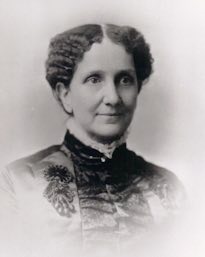 Mary Baker Eddy
Humanities
1821
New Hampshire
1995
Mary Baker Eddy
The only American woman to found a lasting American-based religion, the Church of Christ (Scientist). Her personal struggles led her to believe in a system of prayer-based healing. In 1908, two years before her death at 89 she started The Christian Science Monitor.
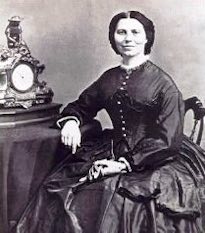 Clara Barton
Science
1821
Massachusetts
1973
Clara Barton
Founder of the American Red Cross, Barton ministered to injured soldiers during the Civil War and became known as the “Angel of the Battlefield.” Devoted to the organization, she later took to the field, providing relief in the Spanish American War at the age of 77.
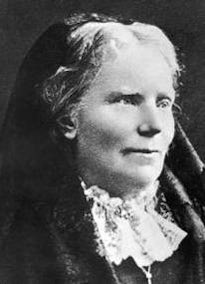 Elizabeth Blackwell
Science
1821
England
1973
Elizabeth Blackwell
First American woman awarded an M.D. Blackwell founded the New York Infirmary for Women and Children and the Women’s Medical College, after having been banned from hospitals in New York. She paved the way for women in medicine.
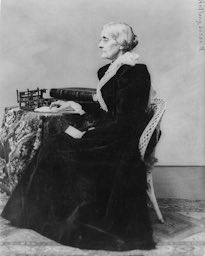 Susan B. Anthony
Humanities
1820
Massachusetts
1973
Susan B. Anthony
The women’s movement’s most powerful organizer whose lifetime of dedication, and work with Elizabeth Cady Stanton, paved the way for women’s right to vote. Her words “Men their rights and nothing more; women their rights and nothing less,” expressed the ongoing struggle for equality.
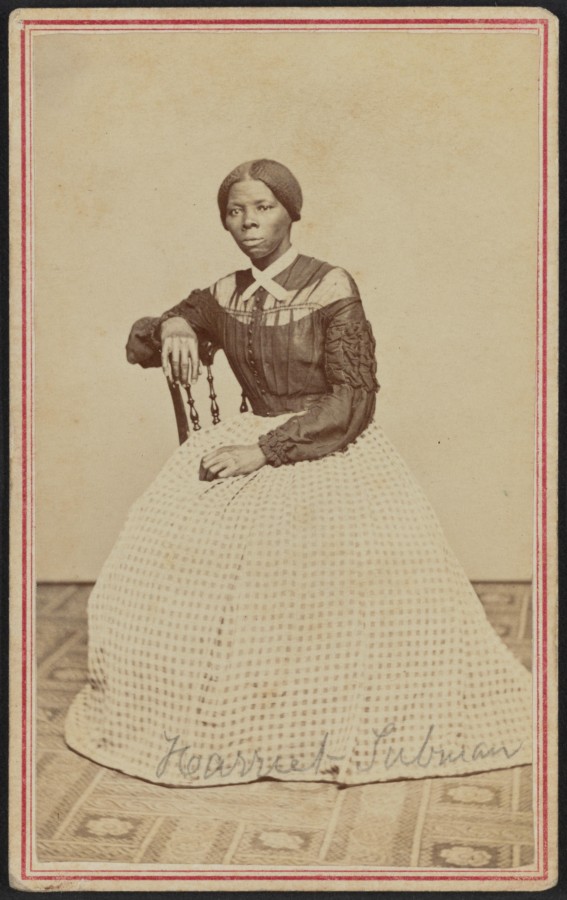 Harriet Tubman
Humanities
c.1820
Maryland
1973
Harriet Tubman
Abolitionist born a slave in Maryland. Fleeing north to freedom, Tubman joined the Underground Railroad as a “conductor” who led people through the lines to freedom. Credited with saving more that 300 people from slavery, she became known as “Moses.” During the Civil War, Tubman organized former slaves into scouts and spy patrols, and after the war worked to help needy African Americans.
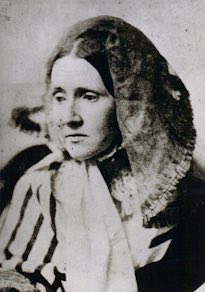 Julia Ward Howe
Humanities
1819
New York
1998
Julia Ward Howe
Suffragist and author of “Battle Hymn of the Republic.” Howe was a lecturer on religious subjects, a playwright and an organizer of a women’s peace movement. Co-founder (with Lucy Stone et al) of the New England Women Suffrage Association, she lectured and wrote extensively in support of the freedom of women to have an equal place with men in both public and private life.
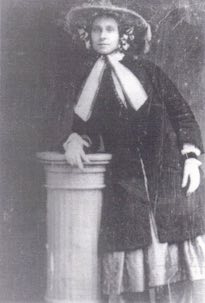 Amelia Bloomer
Humanities
1818
New York
1995
Amelia Bloomer
First woman to own, operate and edit a newspaper for women, The Lily. First published in 1849 in Seneca Falls, New York, it became a recognized forum for women’s rights issues. She often wore full-cut pantaloons under a short skirt, giving birth to the term “bloomers.”
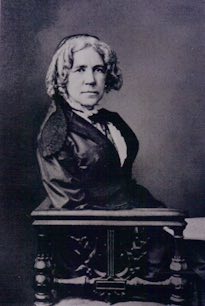 Maria Mitchell
Science
1818
Massachusetts
1994
Maria Mitchell
An astronomer who discovered a new comet in 1847, Maria Mitchell was the first woman named to membership in the American Academy of Arts & Sciences. She was also a founder of the Association for the Advancement of Women.
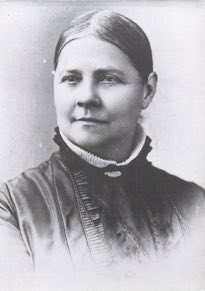 Lucy Stone
Humanities
1818
Massachusetts
1986
Lucy Stone
Early suffrage leader who began as an anti-slavery public advocate, followed by a lifetime of work for women’s right to vote. Stone was a sophisticated political tactician and founded The Women’s Journal, a fascinating archive of women’s history published from 1870 to 1893.
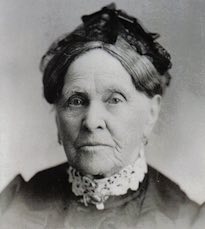 Lydia Moss Bradley
Business, Philanthropy
1816
Indiana
1998
Lydia Moss Bradley
Educator, founder of Bradley University and coeducation advocate. Bradley was a pioneer in business and education, the first female member of a national bank board in the United States. Noted as a philanthropist who financially supported many social causes, she determined that Bradley University would be for both women and men.
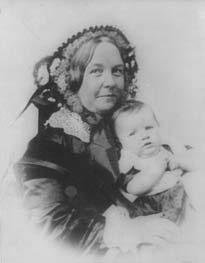 Elizabeth Cady Stanton
Humanities
1815
New York
1973
Elizabeth Cady Stanton
Suffragist and reformer. Stanton noticed from her earliest years that women were not treated equally with men. In 1848, she and others convened the first Women’s Rights Convention in Seneca Falls, New York, bringing 300 individuals together, including Frederick Douglass. Stanton determined that the right to vote was the key to women’s equality. Throughout her life and partnership with Susan B. Anthony, she wrote and argued brilliantly for women’s equality through the right to vote.
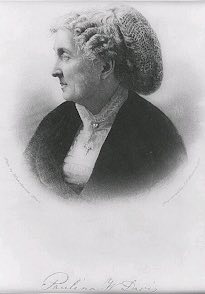 Paulina Kellogg Wright Davis
Humanities
1813
New York
2002
Paulina Kellogg Wright Davis
Born and raised in western New York, Davis headed the committee that organized the first National Women’s Rights Convention in Worcester, MA in 1850. She helped found the New England Women’s Suffrage Association and established Una, one of the first women’s rights newspapers.
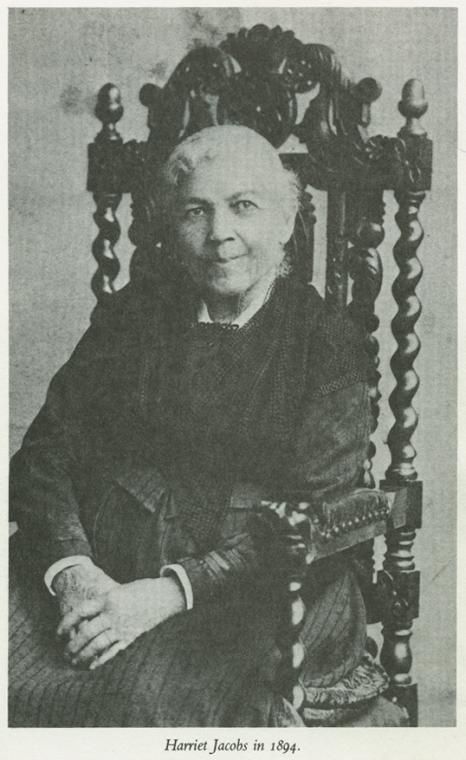 Harriet Jacobs
Humanities
1813
2026
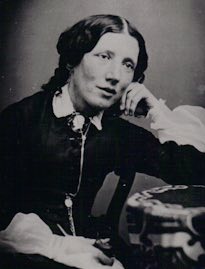 Harriet Beecher Stowe
Arts
1811
Connecticut
1986
Harriet Beecher Stowe
Author and daughter of a minister, Stowe became one of the first women to earn a living by writing, publishing the best-seller Uncle Tom’s Cabin in 1852. Although she wrote much more, her best-seller was often acclaimed as a major factor in the drive to abolish slavery.
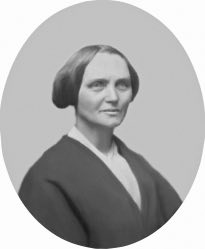 Abby Kelley Foster
Humanities
1811
Massachusetts
2011
Abby Kelley Foster
A major figure in the national anti-slavery and women’s rights movements, Abby Kelley Foster is remembered for her roles as a lecturer, fundraiser, recruiter and organizer. In 1850, Foster helped develop plans for the National Woman’s Rights Convention in Massachusetts, and later, in 1868, she was among the organizers of the founding convention of the New England Woman Suffrage Association. During her lifetime, Foster worked extensively with the American Anti-Slavery Society, where she held several different positions within the organization. Foster worked tirelessly for the ratification of the fourteenth and fifteenth amendments and helped lay the groundwork for the nineteenth amendment to the U.S. Constitution.
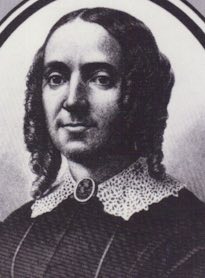 Ernestine Louise Potowski Rose
Humanities
1810
1996
Ernestine Louise Potowski Rose
Early advocate for women’s rights, traveling for more than three decades giving eloquent speeches and seeking petition signatures. Rose sought women’s rights, the abolition of slavery and many other reforms before others took up the causes. From 1835 through 1869, she was often the first woman to speak in public on many platforms.
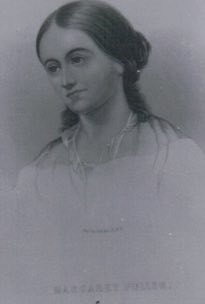 Margaret Fuller
Arts
1810
Massachusetts
1995
Margaret Fuller
Literary critic, editor, teacher and author. Fuller’s early writings inspired leaders of women’s rights. She was editor of the The Dial, a Transcendental journal, and she advocated liberation for all humanity.
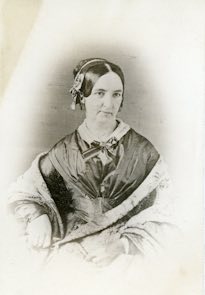 Martha Coffin Pelham Wright
Humanities
1806
Massachusetts
2007
Martha Coffin Pelham Wright
Martha Coffin Pelham Wright was one of five visionary women who organized the first women’s rights convention in Seneca Falls, New York in 1848, forever changing the course of American history. She was also one of the few women who attended the 1833 founding meeting of the American Anti-Slavery Society. An accomplished author, she wrote for local and national publications on anti-slavery and women’s rights issues. She was elected President of the National Woman Suffrage Association in 1874, serving until her death in 1875.
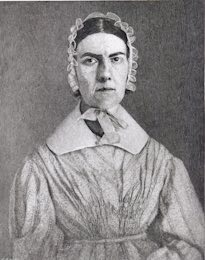 Angelina Grimké Weld
Humanities
1805
South Carolina
1998
Angelina Grimké Weld
Along with Sarah Grimké, wrote numerous published papers which championed abolition and women’s rights. The Grimké sisters were southerners who became the first female speakers for the American Anti-Slavery Society. Sarah’s Letters on the Equality of the Sexes exposed the plight of factory women in New England, as well as arguing on behalf of women’s rights and abolition. Through their examples and their words, the Grimkés proved that women could affect the course of political events and have a far-reaching influence on society.
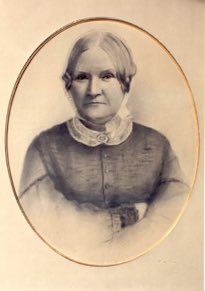 Lydia Maria Child
Humanities
1802
Massachusetts
2001
Lydia Maria Child
Author and social reformer, Lydia Maria Child spent a lifetime crusading for the abolition of slavery and supporting women’s suffrage. As the author of more than 40 books and the editor of eleven publications, she was always addressing the main issues of 19th century America.
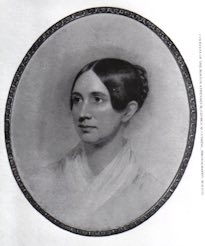 Dorothea Dix
Humanities
1802
Maine
1979
Dorothea Dix
One of the nation’s earliest and most effective advocates for better care of the mentally ill. When Dix saw that such people were badly treated in institutions, she lobbied nationwide for humane treatment and reform.
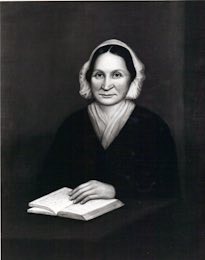 Mary Lyon
Education
1797
1993
Mary Lyon
Founded the first college for women, Mount Holyoke (1837). Mount Holyoke became the model for institutions of higher education for women nationwide. Lyon based her school on sound finances and high quality education in all disciplines, encouraging and educating women to reach beyond teaching and homemaking.
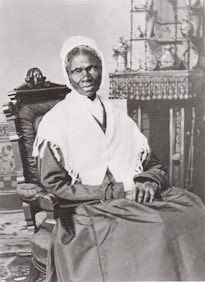 Sojourner Truth
Humanities
c.1797
New York
1981
Sojourner Truth
Abolitionist born a slave who became a Quaker missionary. Truth eventually became a traveling preacher of great influence who worked in the antislavery movement. She learned about women’s rights, and adopted that cause as well. She went on to counsel and help newly freed African Americans.
 Sophia Smith
Education, Philanthropy
1796
Massachusetts
2000
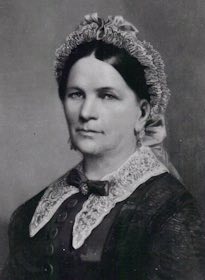
Sophia Smith
Born to a family known for its frugality and thrift, she was left at the age of 65 as the sole survivor of her immediate family, and with the funds to endow the establishment of Smith College, an institution that she hoped would provide undergraduate education for young women equal to that provided at the time for young men.