Discover the Women of the Hall
These are the Inductees of the National Women’s Hall of Fame. Select any of the women to discover their stories and learn how they have influenced other women and this country.
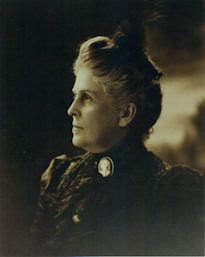
Harriet Williams Russell Strong
An inventor of water-conservation techniques, she was also a very successful businesswoman. Her water irrigation systems are credited with being one of the factors in the development of southern California as a major agricultural region.
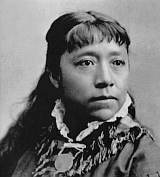
Sarah Winnemucca
Paiute leader who dedicated her life to returning land stolen by the government back to the tribes, especially the land of her own Paiute Tribe.
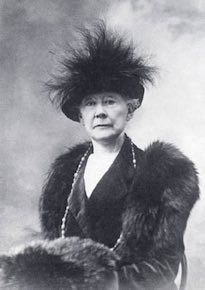
Mary Cassatt
American impressionist painter who captured the soul of family life, women, children, interiors and gardens. A friend and student of the great Impressionists of Paris, Cassatt powerfully influenced American art.
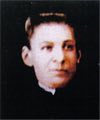
Frances Wisebart Jacobs
The driving force behind the concept of today’s United Way, founder of the Frances Jacobs Hospital (National Jewish Hospital for Immunology and Respiratory Medicine), an educator and philanthropist.
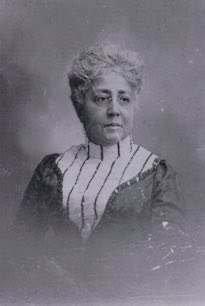
Josephine St. Pierre Ruffin
African American leader from New England. Ruffin was a suffragist, fought slavery, and founded several organizations for African American women, including the Boston branch of the NAACP and the League of Women for Community Service.
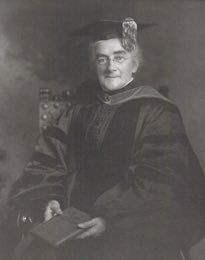
Ellen Swallow Richards
The nation’s first professional woman chemist, an important figure in opening careers in science to women. By applying scientific principles to domestic life, Richards became a leader in the new disciplines of sanitary engineering, nutrition and home economics.
Harriet Williams Russell Strong
An inventor of water-conservation techniques, she was also a very successful businesswoman. Her water irrigation systems are credited with being one of the factors in the development of southern California as a major agricultural region.
Sarah Winnemucca
Paiute leader who dedicated her life to returning land stolen by the government back to the tribes, especially the land of her own Paiute Tribe.
Mary Cassatt
American impressionist painter who captured the soul of family life, women, children, interiors and gardens. A friend and student of the great Impressionists of Paris, Cassatt powerfully influenced American art.
Frances Wisebart Jacobs
The driving force behind the concept of today’s United Way, founder of the Frances Jacobs Hospital (National Jewish Hospital for Immunology and Respiratory Medicine), an educator and philanthropist.
Josephine St. Pierre Ruffin
African American leader from New England. Ruffin was a suffragist, fought slavery, and founded several organizations for African American women, including the Boston branch of the NAACP and the League of Women for Community Service.
Ellen Swallow Richards
The nation’s first professional woman chemist, an important figure in opening careers in science to women. By applying scientific principles to domestic life, Richards became a leader in the new disciplines of sanitary engineering, nutrition and home economics.
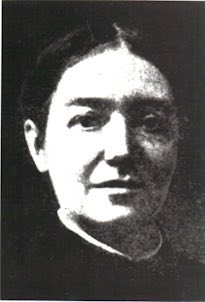
Mary Putnam Jacobi
Physician who founded the Association for the Advancement of Medical Education of Women. Jacobi was a leader in obtaining quality medical education for women.
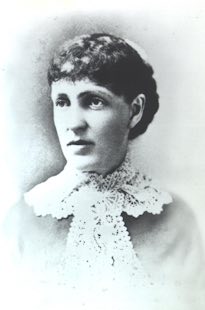
Kate Stoneman
Kate Stoneman was the first woman admitted to practice law in New York State. In 1885, she became the first female to pass the New York State Bar Exam, but her 1886 application to join the bar was rejected because of her gender. Stoneman immediately launched a lobbying campaign to amend the Code of Civil Procedure to permit the admission of qualified applicants without regard to sex or race, and was successfully admitted to the bar later the same month. In 1898, she became the first female graduate of Albany Law School, and was the first woman to receive a bachelor’s degree from any department of Union University.
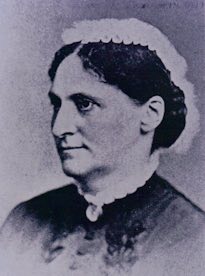
Linda Richards
Received the first diploma awarded by the nation’s first school of nursing. Richards dedicated her career to creating professional nurses training schools nationwide to improve both patient care and nurses’ skills.
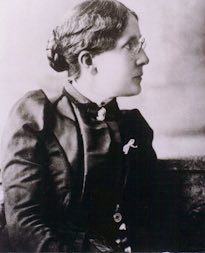
Frances E. Willard
As second president of the Women’s Christian Temperance Union (WCTU), she led the largest organization of women in the United States. The WCTU provided a base for the 20th century women’s rights movement, supporting, in addition to women’s suffrage, broad social reforms such as equal pay for equal work, the eight hour day, and the protection of women and children in the workplace.
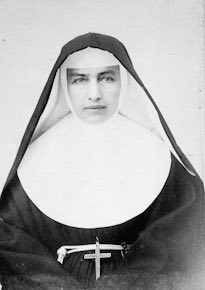
Mother Marianne Cope
As a Sister of the Third Order of St. Francis, Mother Marianne Cope worked for several years in Syracuse, New York, helping to found St. Joseph’s Hospital. In 1883, she went to Kalaupapa, Hawaii where she spent thirty years ministering to those with leprosy. While in Hawaii, she worked hand in hand with Father Damien during the last part of his life.
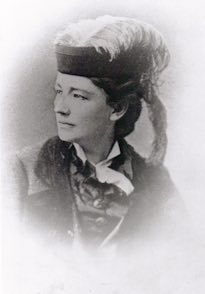
Victoria Woodhull
A 19th century reformer, Victoria Woodhull established a reputation as a radical freethinking reformer. She was a suffragist, author, political activist, and the first woman to run for President of the United States (1872).
Mary Putnam Jacobi
Physician who founded the Association for the Advancement of Medical Education of Women. Jacobi was a leader in obtaining quality medical education for women.
Kate Stoneman
Kate Stoneman was the first woman admitted to practice law in New York State. In 1885, she became the first female to pass the New York State Bar Exam, but her 1886 application to join the bar was rejected because of her gender. Stoneman immediately launched a lobbying campaign to amend the Code of Civil Procedure to permit the admission of qualified applicants without regard to sex or race, and was successfully admitted to the bar later the same month. In 1898, she became the first female graduate of Albany Law School, and was the first woman to receive a bachelor’s degree from any department of Union University.
Linda Richards
Received the first diploma awarded by the nation’s first school of nursing. Richards dedicated her career to creating professional nurses training schools nationwide to improve both patient care and nurses’ skills.
Frances E. Willard
As second president of the Women’s Christian Temperance Union (WCTU), she led the largest organization of women in the United States. The WCTU provided a base for the 20th century women’s rights movement, supporting, in addition to women’s suffrage, broad social reforms such as equal pay for equal work, the eight hour day, and the protection of women and children in the workplace.
Mother Marianne Cope
As a Sister of the Third Order of St. Francis, Mother Marianne Cope worked for several years in Syracuse, New York, helping to found St. Joseph’s Hospital. In 1883, she went to Kalaupapa, Hawaii where she spent thirty years ministering to those with leprosy. While in Hawaii, she worked hand in hand with Father Damien during the last part of his life.
Victoria Woodhull
A 19th century reformer, Victoria Woodhull established a reputation as a radical freethinking reformer. She was a suffragist, author, political activist, and the first woman to run for President of the United States (1872).
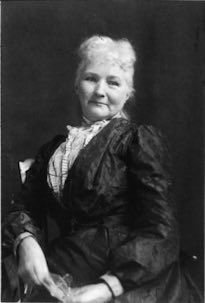
Mary "Mother" Harris Jones
Labor organizer and agitator who was a major figure in the American labor movement. For decades, Jones spoke out and organized for social justice for workers. She worked on behalf of the United Mine Workers and other groups.
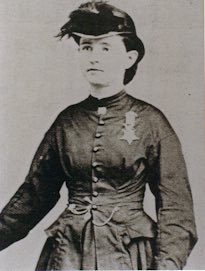
Mary Edwards Walker
First female surgeon in the U.S. Army, she continually crossed the Confederate lines to treat civilians. After being taken prisoner in 1864 and imprisoned in Richmond, she was awarded the Congressional Medal of Honor, the first woman to receive this award. In 1917, her medal, along with 910 others, was taken away when Congress revised the standards to include only “actual combat with the enemy.” She refused to return the medal, wore it until her death, and it was finally awarded to her posthumously.
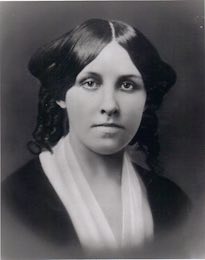
Louisa May Alcott
Author who produced the first literature for the mass market of juvenile girls in the 19th century. Her best-known work, Little Women, has appeared continuously in print since its first publication in 1868-69.
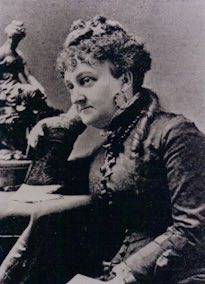
Myra Bradwell
America’s first woman lawyer. When denied permission to practice law in Illinois (despite passing the bar examination) because of her gender, she began publishing The Chicago Legal News, a very successful legal journal. When the laws changed in 1892, Bradwell was admitted to practice in Illinois and in the U.S. Supreme Court.
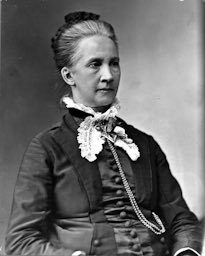
Belva Lockwood
First woman to practice law and argue a case before the U.S. Supreme Court (1879). Lockwood became a lawyer when she was 40 and used her knowledge to help secure women’s suffrage, property law reforms, pay equity and world peace. She helped open the legal profession to women.
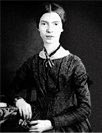
Emily Dickinson
One of the world’s greatest poets. A New England woman who spent much of her life in one small community, her world vision and innovative style has had a lasting impact on literature.
Mary "Mother" Harris Jones
Labor organizer and agitator who was a major figure in the American labor movement. For decades, Jones spoke out and organized for social justice for workers. She worked on behalf of the United Mine Workers and other groups.
Mary Edwards Walker
First female surgeon in the U.S. Army, she continually crossed the Confederate lines to treat civilians. After being taken prisoner in 1864 and imprisoned in Richmond, she was awarded the Congressional Medal of Honor, the first woman to receive this award. In 1917, her medal, along with 910 others, was taken away when Congress revised the standards to include only “actual combat with the enemy.” She refused to return the medal, wore it until her death, and it was finally awarded to her posthumously.
Louisa May Alcott
Author who produced the first literature for the mass market of juvenile girls in the 19th century. Her best-known work, Little Women, has appeared continuously in print since its first publication in 1868-69.
Myra Bradwell
America’s first woman lawyer. When denied permission to practice law in Illinois (despite passing the bar examination) because of her gender, she began publishing The Chicago Legal News, a very successful legal journal. When the laws changed in 1892, Bradwell was admitted to practice in Illinois and in the U.S. Supreme Court.
Belva Lockwood
First woman to practice law and argue a case before the U.S. Supreme Court (1879). Lockwood became a lawyer when she was 40 and used her knowledge to help secure women’s suffrage, property law reforms, pay equity and world peace. She helped open the legal profession to women.
Emily Dickinson
One of the world’s greatest poets. A New England woman who spent much of her life in one small community, her world vision and innovative style has had a lasting impact on literature.
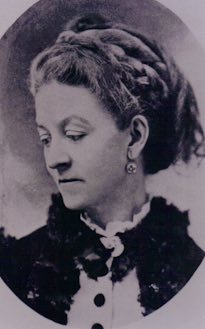
Jane Cunningham Croly
Journalist and driving force behind the American Club women’s movement that inspired thousands of women into a wide range of social reform activities. Probably the nation’s first woman syndicated columnist, Croly was also the founder of the General Federation of Women’s Clubs.
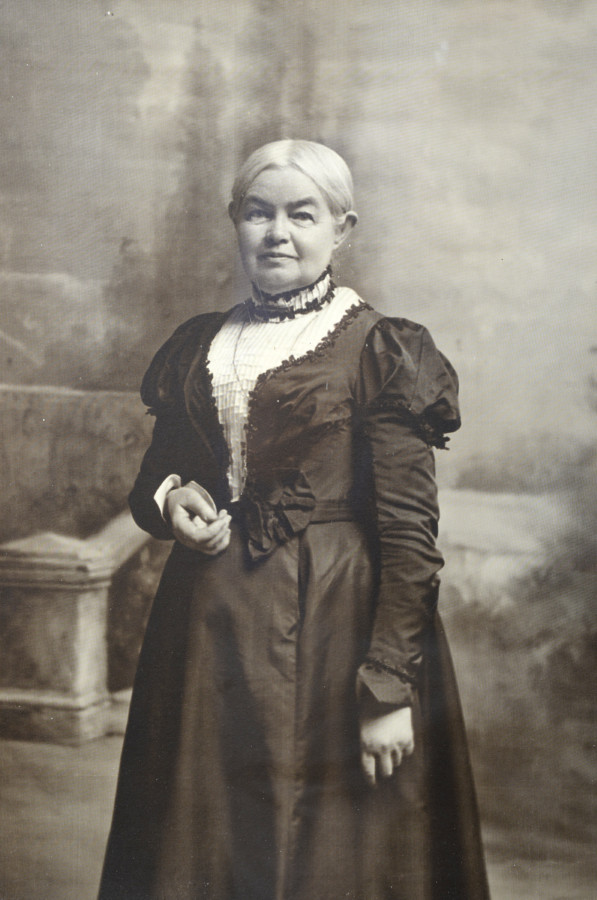
Emily Howland
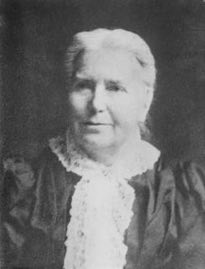
Emily Blackwell
Sister of Elizabeth Blackwell, was also a physician. Emily ran the infirmary for women and the medical college for women founded by her sister, providing excellent training for women in medicine.
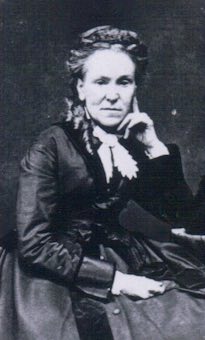
Matilda Joslyn Gage
Best known as the co-author (with Elizabeth Cady Stanton and Susan B. Anthony) of The History of Women’s Suffrage. She served in the National Women’s Suffrage Association and helped form suffrage groups in order to gain the right to vote for women.
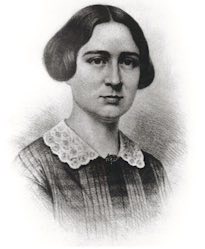
Antoinette Blackwell
First American woman ordained a minister by a recognized denomination (Congregational), despite great opposition to women in the ministry. Blackwell was a pastor, mother of seven children, and wrote many books and essays.
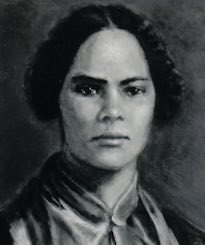
Mary Ann Shadd Cary
An educator and abolitionist, Mary Ann Shadd Cary was the first Black American woman to enroll in and graduate from Howard University Law School. She appeared before the House Judiciary Committee to argue for the right of women to vote (with Anthony and Stanton). During the 1870s, while practicing law, she lectured throughout the United States about the improvement of education for Black Americans.
Jane Cunningham Croly
Journalist and driving force behind the American Club women’s movement that inspired thousands of women into a wide range of social reform activities. Probably the nation’s first woman syndicated columnist, Croly was also the founder of the General Federation of Women’s Clubs.
Emily Howland
Emily Blackwell
Sister of Elizabeth Blackwell, was also a physician. Emily ran the infirmary for women and the medical college for women founded by her sister, providing excellent training for women in medicine.
Matilda Joslyn Gage
Best known as the co-author (with Elizabeth Cady Stanton and Susan B. Anthony) of The History of Women’s Suffrage. She served in the National Women’s Suffrage Association and helped form suffrage groups in order to gain the right to vote for women.
Antoinette Blackwell
First American woman ordained a minister by a recognized denomination (Congregational), despite great opposition to women in the ministry. Blackwell was a pastor, mother of seven children, and wrote many books and essays.
Mary Ann Shadd Cary
An educator and abolitionist, Mary Ann Shadd Cary was the first Black American woman to enroll in and graduate from Howard University Law School. She appeared before the House Judiciary Committee to argue for the right of women to vote (with Anthony and Stanton). During the 1870s, while practicing law, she lectured throughout the United States about the improvement of education for Black Americans.