Discover the Women of the Hall
These are the Inductees of the National Women’s Hall of Fame. Select any of the women to discover their stories and learn how they have influenced other women and this country.
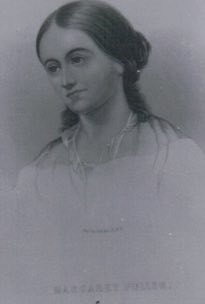 Margaret Fuller
Arts
1810
Massachusetts
1995
Margaret Fuller
Literary critic, editor, teacher and author. Fuller’s early writings inspired leaders of women’s rights. She was editor of the The Dial, a Transcendental journal, and she advocated liberation for all humanity.
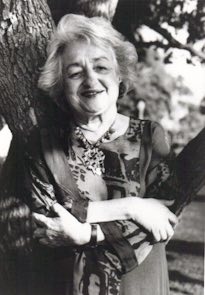 Betty Friedan
Humanities
1921
Illinois
1993
Betty Friedan
Reshaped American attitudes toward women’s lives and rights through decades of social activism, strategic thinking and powerful writing. Her book The Feminine Mystique (1963) triggered the contemporary women’s movement. Her latest work is the best-selling The Fountain of Age.
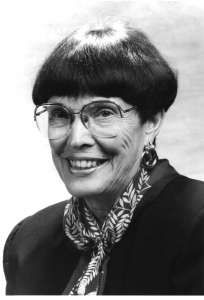 Helen Murray Free
Science
1923
Pennsylvania
2011
Helen Murray Free
A pioneering chemist, Helen Murray Free conducted research that revolutionized diagnostic testing in the laboratory and at home. Free is the co-developer of Clinistix, the first dip-and-read diagnostic test strips for monitoring glucose in urine. Along with her husband, Alfred Free, she also developed additional strips for testing levels of key indicators for other diseases. Today, dip-and-read strips make testing for diabetes, pregnancy, and other conditions available in underdeveloped regions of the United States and in foreign countries. Free is the recipient of numerous awards, including the National Medal of Technology and Innovation and the American Chemical Society’s 66th National Historic Chemical Landmark designation (2010).
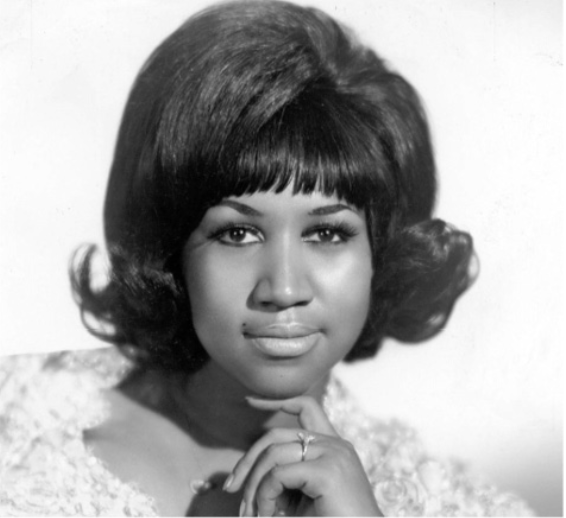 Aretha Franklin
Arts
1942
2020
Aretha Franklin
A singer, songwriter, pianist, actress, and civil rights activist. Her multi-octave vocal range moved millions of people around the world during an expansive career that spanned six decades.
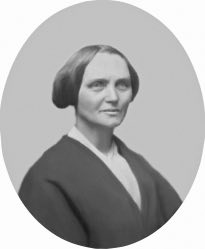 Abby Kelley Foster
Humanities
1811
Massachusetts
2011
Abby Kelley Foster
A major figure in the national anti-slavery and women’s rights movements, Abby Kelley Foster is remembered for her roles as a lecturer, fundraiser, recruiter and organizer. In 1850, Foster helped develop plans for the National Woman’s Rights Convention in Massachusetts, and later, in 1868, she was among the organizers of the founding convention of the New England Woman Suffrage Association. During her lifetime, Foster worked extensively with the American Anti-Slavery Society, where she held several different positions within the organization. Foster worked tirelessly for the ratification of the fourteenth and fifteenth amendments and helped lay the groundwork for the nineteenth amendment to the U.S. Constitution.
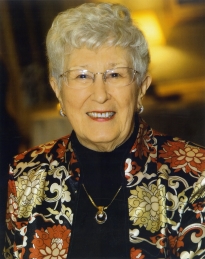 Loretta C. Ford
Science
1920
New York
2011
Loretta C. Ford
An internationally renowned nursing leader, Dr. Loretta C. Ford has devoted her career to practice, education, research, consultation and the delivery of health services. Dr. Ford is best known for co-founding the nurse practitioner model through her studies on the nurse’s expanded scope of practice in public health nursing. In 1972, Dr. Ford became the founding dean of the University of Rochester School of Nursing, where she implemented the unification model. Dr. Ford is the author of more than 100 publications and has served as a consultant and lecturer to multiple organizations and universities.
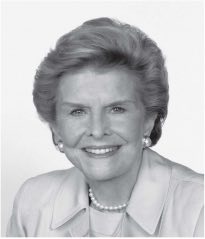 Betty Ford
Humanities
1918
Illinois
2013
Betty Ford
A groundbreaking First Lady, Betty Ford is often remembered for her candor in addressing the controversial issues of her time. Shortly after she became the First Lady of the United States in 1974, Ford was diagnosed with breast cancer and underwent a radical mastectomy. Rather than suppressing the diagnosis, Ford courageously shared her personal story and inspired countless women across the nation to get breast examinations. In 1978, following a family intervention, Ford underwent successful treatment for addiction to alcohol and prescription drugs. She again used her story to raise public awareness of addiction, and in 1982, she co-founded the Betty Ford Center to treat victims of alcohol and chemical dependency. Ford was awarded the Presidential Medal of Freedom in 1991 and the Congressional Gold Medal, with President Gerald R. Ford, in 1999.
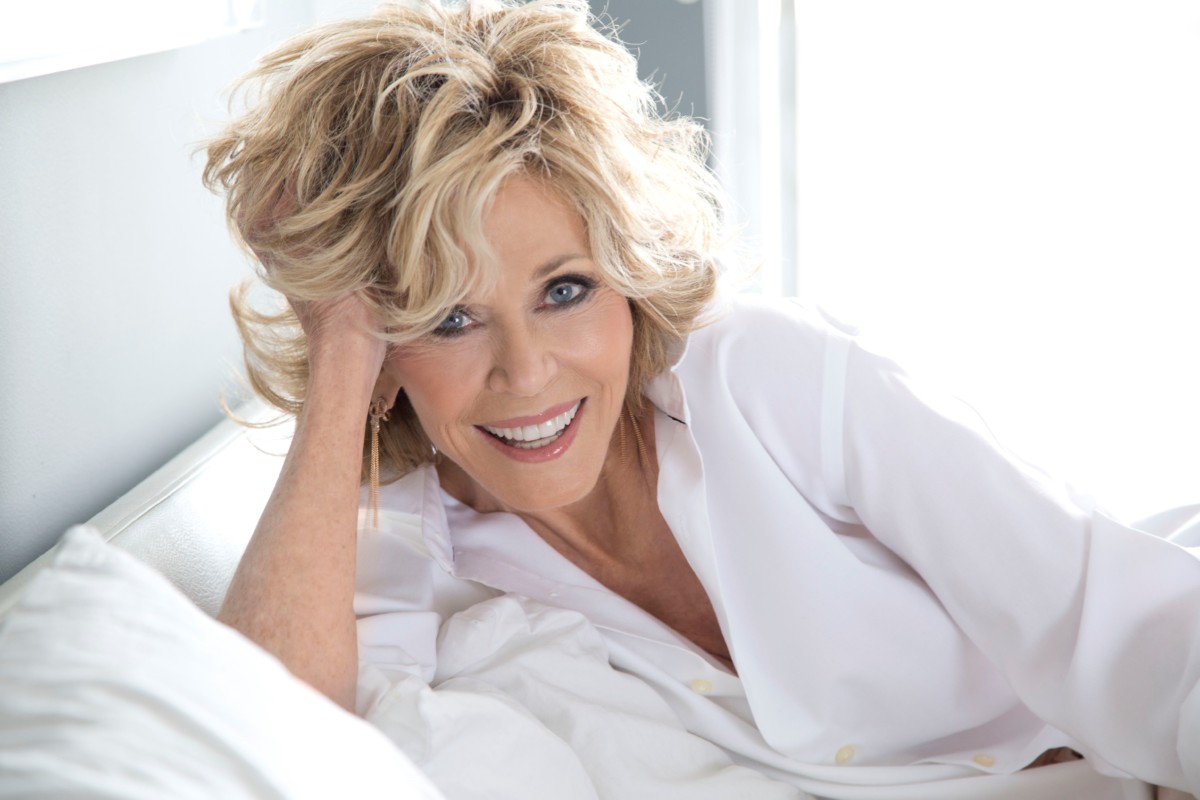 Jane Fonda
Arts, Government, Humanities
1937
2019
Jane Fonda
A two-time Academy Award winning actress (Best Actress in 1971 for Klute and in 1978 for Coming Home), activist, businesswoman, author, producer for film and television and philanthropist, Jane Fonda has revolutionized how we see things from the screen to fitness to representations of women and girls in the media. From the counterculture of the 1960s to today’s feminism, Native American rights and environmentalism; from Kluteto 9 to 5 to Grace and Frankie: Fonda has been a visionary and powerful influencer. Through the Jane Fonda Foundation and the Fonda Family Foundation, Fonda funds causes related toyouth and education, adolescent reproductive health, the environment, human services, and the arts. In 2005, together with Robin Morgan and Gloria Steinem, she co-founded the Women’s Media Center, an organization that works to increase the visibility and power of women in media. Fonda serves on the board of the organization. She is the recipient of many honors and awards, including two Academy Awards, two BAFTAs, four Golden Globes, a Primetime Emmy Award, the AFI Life Achievement Award, and the Honorary Golden Lion. In 2007, Fonda received an Honorary Palme d’Or from the Cannes Film Festival, making her one of three people to ever be granted this honor until then. She was also recognized with a Tony Award nomination for her role on Broadway in Moisés Kaufman’s 33 Variations. In 2018, a documentary following Fonda’s remarkable journey, Jane Fonda in Five Acts, was released.
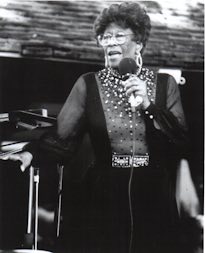 Ella Fitzgerald
Arts
1917
Virginia
1995
Ella Fitzgerald
World-renowned jazz singer and the first pop musician awarded the Lincoln Center Medallion. At 15, she entered a talent contest to dance. Her knees shook so much during the contest, she chose to sing instead and was discovered by a Chick Webb band member.
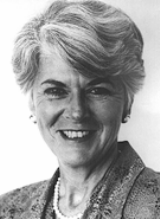 Geraldine Ferraro
Government
1935
New York
1994
Geraldine Ferraro
First woman nominated by a major political party as a candidate for Vice President of the United States. Chosen to serve as the running mate of Democratic Presidential Nominee Walter Mondale in 1984, Ferraro had been an Assistant District Attorney in New York and later served in the United States Congress.
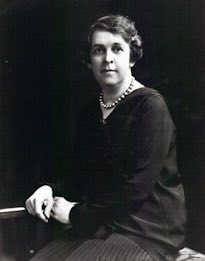 Alice Evans
Science
1881
1993
Alice Evans
Scientist who found the organism which caused undulant fever, a killer disease. Evans’s discovery led to mandatory milk pasteurization, saving countless lives worldwide. An outstanding scientist, she also advocated women entering the scientific professions.
 Dorothy Harrison Eustis
Philanthropy
1886
Pennsylvania
2011
Dorothy Harrison Eustis
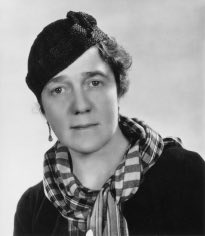
A philanthropist, Dorothy Harrison Eustis combined her love of animals and her passion for helping others to co-found the nation’s first dog guide school, The Seeing Eye. In 1921, Eustis began her career in Switzerland, breeding German shepherds for civic duty. She was later contacted by Morris Frank, a blind American man seeking a guide dog. After bringing Frank to Switzerland and providing him with a dog, Eustis returned to the United States, and in 1929, they established The Seeing Eye to help blind people achieve greater independence, dignity and self-confidence through the use of Seeing Eye dogs. To date, The Seeing Eye has bred and trained 15,000 dogs to assist nearly 8,000 men and women.
 Gertrude Belle Elion
Science
1918
1991
Gertrude Belle Elion
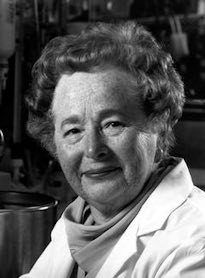
1988 Nobel Prize winner who spent a lifetime creating drugs to combat leukemia, gout, malaria, herpes and other auto-immune diseases. Elion’s work saved many lives, and led to the development of the first major AIDS drug AZT.
 Edith S. Green
Education, Government
1910
2026
Edith S. Green
 Gertrude "Trudy" Ederle
Athletics
1905
New York
2003
Gertrude "Trudy" Ederle
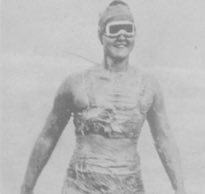
In 1926, Ederle became the first woman to swim the English Channel, setting a new time record that would stand for the next 35 years. Ederle’s accomplishment was a milestone as it expanded opportunity for other women in athletics.
 Marian Wright Edelman
Humanities
1939
South Carolina
1993
Marian Wright Edelman
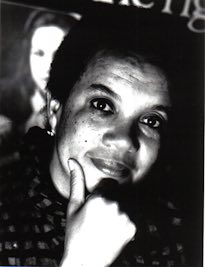
Attorney and civil rights advocate who founded the Children’s Defense Fund, the nation’s strongest advocacy group for children. A passionate champion for youth, Edelman’s organization works on health care and assistance for homeless children.
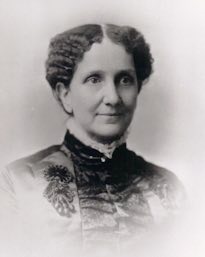 Mary Baker Eddy
Humanities
1821
New Hampshire
1995
Mary Baker Eddy
The only American woman to found a lasting American-based religion, the Church of Christ (Scientist). Her personal struggles led her to believe in a system of prayer-based healing. In 1908, two years before her death at 89 she started The Christian Science Monitor.
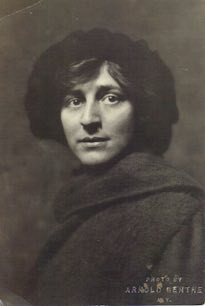 Crystal Eastman
Humanities
1881
Massachusetts
2000
Crystal Eastman
One the major leaders of the women’s right to vote and equal rights movements, she was co-founder of the American Civil Liberties Union and author of the first national labor safety law guidelines. In 1919, she organized the First Feminist Congress, and she was one of the four authors of the Equal Rights Amendment proposed in 1923.
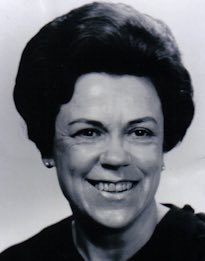 Catherine East
Humanities
1916
1994
Catherine East
“The midwife of the contemporary women’s movement,” as described by Betty Friedan. East was a key staffer on President John F. Kennedy’s first-ever Presidential Commission on the Status of Women in the 1960s. East persuaded Friedan and others to create the National Organization for Women to lead the drive to eliminate gender discrimination.
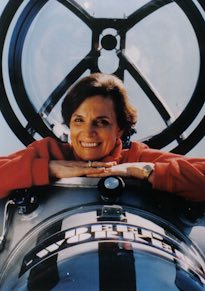 Sylvia A. Earle
Science
1935
New Jersey
2000
Sylvia A. Earle
An undersea explorer since age 13, Earle became an internationally recognized marine biologist, author, lecturer and scientific consultant. Denied the opportunity to participate in the U.S. Navy “Tektite Project” to study the ocean, she founded “Tektite II”, an all-female expedition that spent two weeks exploring the ocean floor. The founder of two companies to design and build undersea vehicles, she is chief scientist and consultant to oceanographic and marine research centers throughout the world.
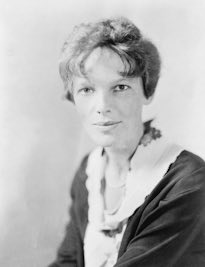 Amelia Earhart
Science
1897
Kansas
1973
Amelia Earhart
The first woman to fly across the Atlantic Ocean, and the first to fly solo across the Pacific Ocean. Earhart was a strong individual who inspired other women to take risks in non-traditional arenas.
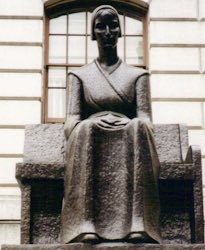 Mary Barret Dyer
Humanities
1611
England
2000
Mary Barret Dyer
Disenfranchised and banished from the Massachusetts Bay Colony along with Anne Hutchinson, she moved back to England, where she became a protégé of George Fox, the founder of Quakerism. Returning to Boston, she was arrested, imprisoned and expelled for preaching the Quaker faith. Returning to Boston again and again, she stood beside other condemned Quakers and finally was herself arrested and hanged. Her martyr’s death contributed to the move for religious tolerance in the colonies.
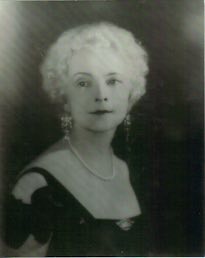 Anne Dallas Dudley
Humanities
1876
Tennessee
1995
Anne Dallas Dudley
Political activist central to the campaign to pass the 19th Amendment to the U.S. Constitution. Serving as National Campaign Director as well as in her home state of Tennessee, she led a march of 2,000 women in the South’s first suffrage parade in 1914.
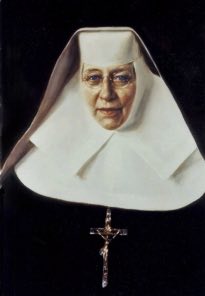 St. Katharine Drexel
Humanities
1858
Pennsylvania
2011
St. Katharine Drexel
A missionary who dedicated her life and fortune to aid Native Americans and African Americans, Saint Katharine Drexel is only the second recognized American-born saint. In 1891, Saint Katharine founded the Sisters of the Blessed Sacrament, a religious order that today remains devoted to the education and care of Native Americans and African Americans. During her lifetime, Saint Katharine and her order founded more than sixty missions and schools, including Xavier University of Louisiana. Saint Katharine was beatified in 1988 and canonized in 2000.