Discover the Women of the Hall
These are the Inductees of the National Women’s Hall of Fame. Select any of the women to discover their stories and learn how they have influenced other women and this country.
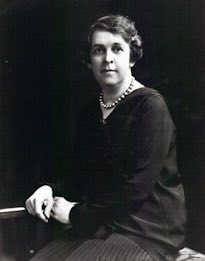
Alice Evans
Scientist who found the organism which caused undulant fever, a killer disease. Evans’s discovery led to mandatory milk pasteurization, saving countless lives worldwide. An outstanding scientist, she also advocated women entering the scientific professions.
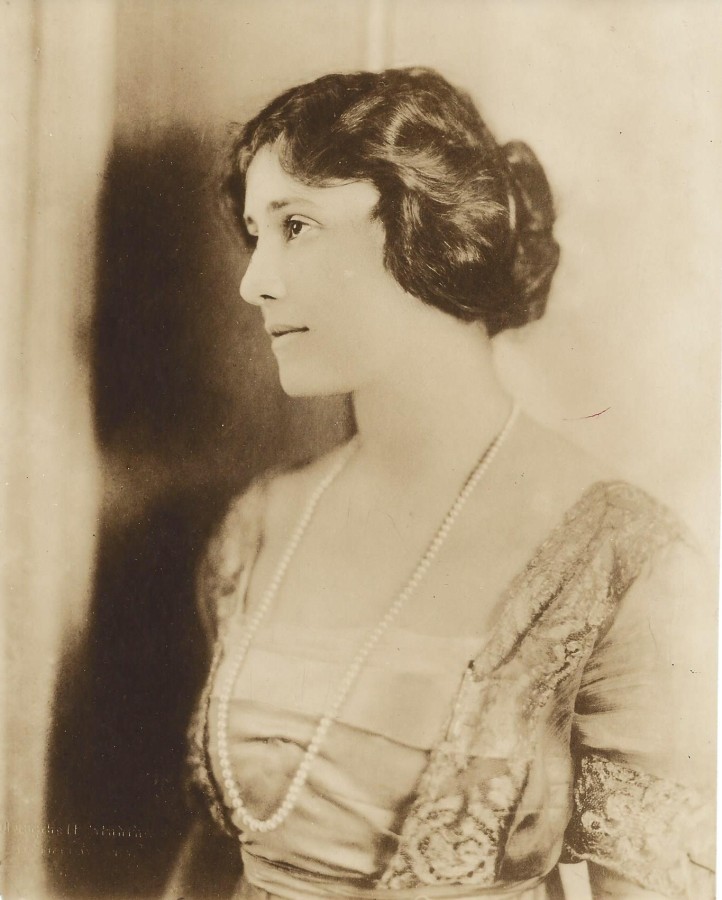
Mary Harriman Rumsey
The founder of the Junior League, she helped author the Social Security Act, chaired the first consumer’s rights groups, and was instrumental in the creation of public playgrounds in New York’s Central Park.
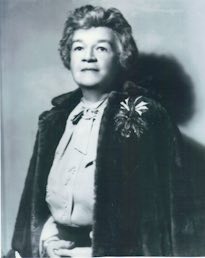
Edith Nourse Rogers
Massachusetts Congresswoman who introduced the “G.I. Bill of Rights” Act and Women’s Army Auxiliary Corp (WAC) legislation. The “Bill of Rights” guaranteed veterans’ health and education benefits (also small business loans). In addition, it supported research and development of prosthetic appliances. Rogers pushed for equality for women in and out of military until her death.
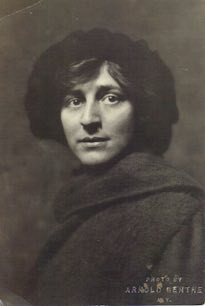
Crystal Eastman
One the major leaders of the women’s right to vote and equal rights movements, she was co-founder of the American Civil Liberties Union and author of the first national labor safety law guidelines. In 1919, she organized the First Feminist Congress, and she was one of the four authors of the Equal Rights Amendment proposed in 1923.
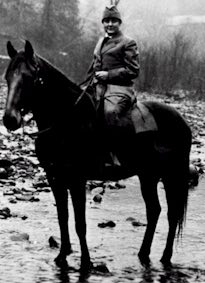
Mary Breckinridge
The United States foremost pioneer in the development of midwifery and provision of care to rural areas. Breckinridge founded the Frontier Nursing Service.
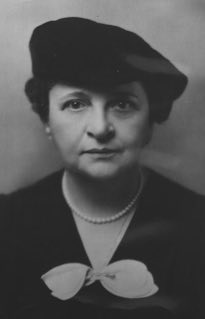
Frances Perkins
Public official and first woman to hold a Presidential Cabinet office and first woman Secretary of Labor. Appointed by President Roosevelt in 1932, she served for all of his terms, 1933-1945.
Alice Evans
Scientist who found the organism which caused undulant fever, a killer disease. Evans’s discovery led to mandatory milk pasteurization, saving countless lives worldwide. An outstanding scientist, she also advocated women entering the scientific professions.
Mary Harriman Rumsey
The founder of the Junior League, she helped author the Social Security Act, chaired the first consumer’s rights groups, and was instrumental in the creation of public playgrounds in New York’s Central Park.
Edith Nourse Rogers
Massachusetts Congresswoman who introduced the “G.I. Bill of Rights” Act and Women’s Army Auxiliary Corp (WAC) legislation. The “Bill of Rights” guaranteed veterans’ health and education benefits (also small business loans). In addition, it supported research and development of prosthetic appliances. Rogers pushed for equality for women in and out of military until her death.
Crystal Eastman
One the major leaders of the women’s right to vote and equal rights movements, she was co-founder of the American Civil Liberties Union and author of the first national labor safety law guidelines. In 1919, she organized the First Feminist Congress, and she was one of the four authors of the Equal Rights Amendment proposed in 1923.
Mary Breckinridge
The United States foremost pioneer in the development of midwifery and provision of care to rural areas. Breckinridge founded the Frontier Nursing Service.
Frances Perkins
Public official and first woman to hold a Presidential Cabinet office and first woman Secretary of Labor. Appointed by President Roosevelt in 1932, she served for all of his terms, 1933-1945.
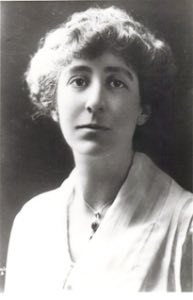
Jeannette Rankin
First woman elected to the U.S. Congress. Rankin served two separate terms representing Montana, and was the only U.S. Representative to vote against America’s entry into both World Wars. A lifelong pacifist, she worked for peace until her death.
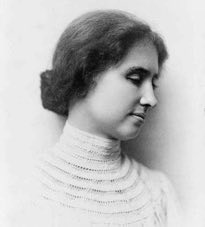
Helen Keller
Author and lecturer. An illness at the age of 19 months left her deaf, blind and mute. Through the work of teacher Anne Sullivan, she learned to overcome these daunting handicaps and became a powerful and effective national spokesperson on behalf of others with similar disabilities.
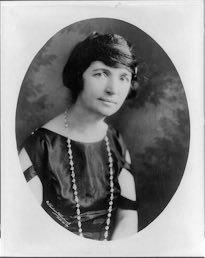
Margaret Sanger
Nurse and social reformer. After seeing many poor women in New York City damaged and dying from attempts to end unwanted pregnancies, she fought for reform. Sanger underwent arrests and imprisonment for distributing information on birth control and contraception.
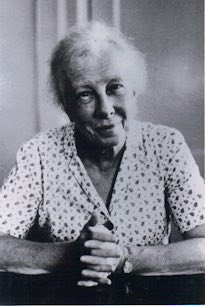
Lillian Moller Gilbreth
Industrial engineer and expert in motion studies, Gilbreth was a pioneer in the relationship between engineering and human relations. She convinced managers that worker-efficiency is the result of the quality of the work environment.
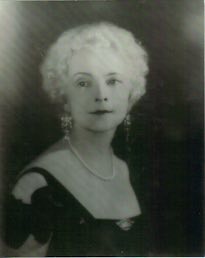
Anne Dallas Dudley
Political activist central to the campaign to pass the 19th Amendment to the U.S. Constitution. Serving as National Campaign Director as well as in her home state of Tennessee, she led a march of 2,000 women in the South’s first suffrage parade in 1914.
Mary McLeod Bethune
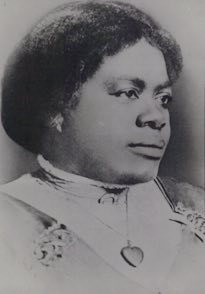
African American teacher who, with only $1.50, began a school to help educate young African American women. After developing it into a college, she became a powerful leader, and through her leadership of the National Council of Negro Women, worked to end discrimination and increase opportunities for African Americans.
Jeannette Rankin
First woman elected to the U.S. Congress. Rankin served two separate terms representing Montana, and was the only U.S. Representative to vote against America’s entry into both World Wars. A lifelong pacifist, she worked for peace until her death.
Helen Keller
Author and lecturer. An illness at the age of 19 months left her deaf, blind and mute. Through the work of teacher Anne Sullivan, she learned to overcome these daunting handicaps and became a powerful and effective national spokesperson on behalf of others with similar disabilities.
Margaret Sanger
Nurse and social reformer. After seeing many poor women in New York City damaged and dying from attempts to end unwanted pregnancies, she fought for reform. Sanger underwent arrests and imprisonment for distributing information on birth control and contraception.
Lillian Moller Gilbreth
Industrial engineer and expert in motion studies, Gilbreth was a pioneer in the relationship between engineering and human relations. She convinced managers that worker-efficiency is the result of the quality of the work environment.
Anne Dallas Dudley
Political activist central to the campaign to pass the 19th Amendment to the U.S. Constitution. Serving as National Campaign Director as well as in her home state of Tennessee, she led a march of 2,000 women in the South’s first suffrage parade in 1914.
Mary McLeod Bethune
African American teacher who, with only $1.50, began a school to help educate young African American women. After developing it into a college, she became a powerful leader, and through her leadership of the National Council of Negro Women, worked to end discrimination and increase opportunities for African Americans.
Katharine Dexter McCormick
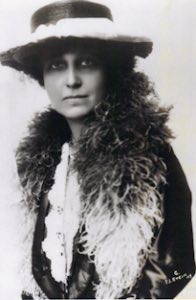
Co-founder (with Carrie Chapman Catt) of the League of Women Voters in 1920, after ratification of the 19th Amendment. A graduate of MIT in 1904, she funded MIT’s first on-campus residence for women. She devoted her late husband’s wealth to contraceptive research and her own resources and energy to opening up doors for women in science and engineering.
Rose O'Neill
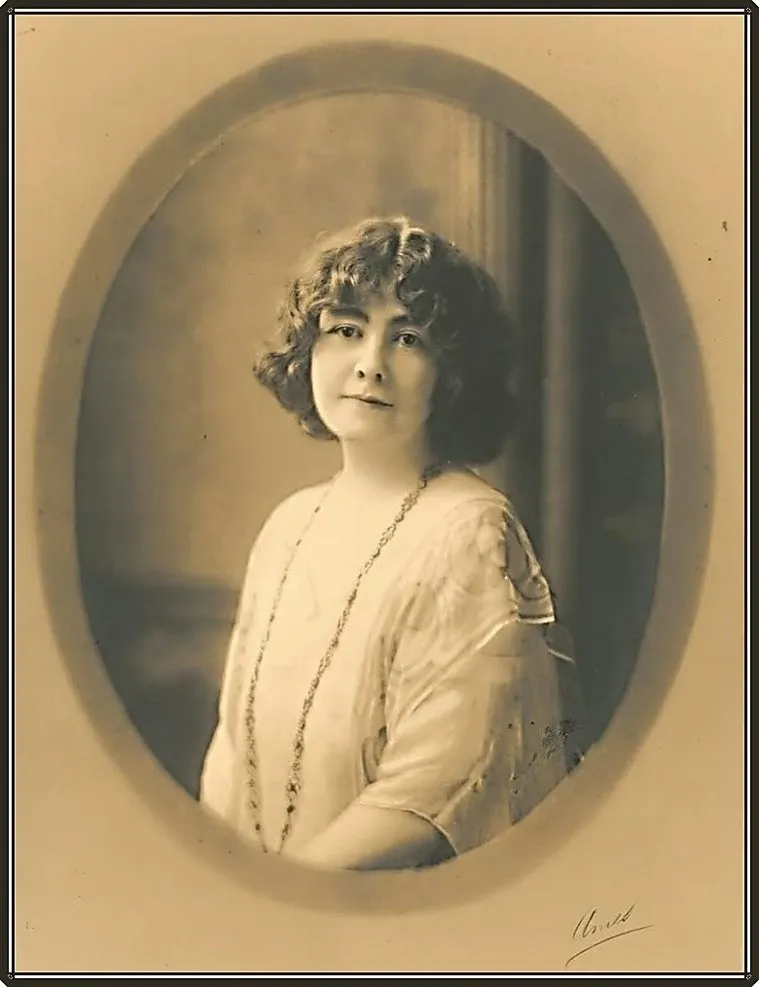
Rose O’Neill was a well-known artist, suffragist, and businesswoman. In 1896, O’Neill got one of her cartoons published in Truth Magazine, and thus earned the title of “America’s First Woman Cartoonist.” The next year, she was hired byPuck Magazine as the first woman cartoonist on its all-male staff. She remained the only woman staffer for six more years, and hundreds of her illustrations for Puck depicted themes of women’s empowerment. Most famous for her Kewpies comic strip, O’Neill produced work for more than 50 magazine publishing companies, wrote and illustrated short stories, poems, children’s books, and novels, marched in New York suffrage parades, donated her art for use in the National Woman Suffrage Association’s suffrage posters and postcards, and participated in many fundraising activities for the suffrage cause.
Willa Cather
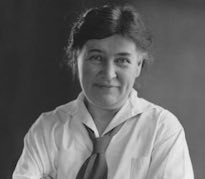
Newspaperwoman and editor who became an outstanding novelist with the publication of O Pioneers in 1913. Cather went on to write other great novels and won the Pulitzer Prize in 1922. Her well-known works include My Antonia and Death Comes for the Archbishop.
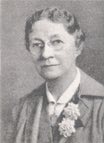
Mary Engle Pennington
Chemist and refrigeration expert Mary Engle Pennington saved thousands of lives by creating national standards for milk and dairy inspection and improved the safety and convenience of refrigerated and frozen foods. She was also instrumental in developing safe and sanitary methods for the storage and handling of poultry, fish, and eggs, contributing techniques that solved humidity control problems, insulation and ventilation issues.
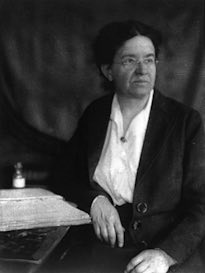
Florence Sabin
First woman graduate of the Johns Hopkins School of Medicine and the first woman to teach there. A talented anatomist and researcher, Sabin performed pioneering work in embryology, the lymphatic system and tuberculosis.
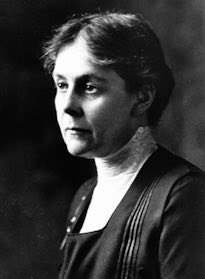
Alice Hamilton
Physician pathologist who specialized in industrial diseases. Hamilton helped save workers’ lives by forcing reforms in the workplace and protection from dangers such as lead poisoning.
Katharine Dexter McCormick
Co-founder (with Carrie Chapman Catt) of the League of Women Voters in 1920, after ratification of the 19th Amendment. A graduate of MIT in 1904, she funded MIT’s first on-campus residence for women. She devoted her late husband’s wealth to contraceptive research and her own resources and energy to opening up doors for women in science and engineering.
Rose O'Neill
Rose O’Neill was a well-known artist, suffragist, and businesswoman. In 1896, O’Neill got one of her cartoons published in Truth Magazine, and thus earned the title of “America’s First Woman Cartoonist.” The next year, she was hired byPuck Magazine as the first woman cartoonist on its all-male staff. She remained the only woman staffer for six more years, and hundreds of her illustrations for Puck depicted themes of women’s empowerment. Most famous for her Kewpies comic strip, O’Neill produced work for more than 50 magazine publishing companies, wrote and illustrated short stories, poems, children’s books, and novels, marched in New York suffrage parades, donated her art for use in the National Woman Suffrage Association’s suffrage posters and postcards, and participated in many fundraising activities for the suffrage cause.
Willa Cather
Newspaperwoman and editor who became an outstanding novelist with the publication of O Pioneers in 1913. Cather went on to write other great novels and won the Pulitzer Prize in 1922. Her well-known works include My Antonia and Death Comes for the Archbishop.
Mary Engle Pennington
Chemist and refrigeration expert Mary Engle Pennington saved thousands of lives by creating national standards for milk and dairy inspection and improved the safety and convenience of refrigerated and frozen foods. She was also instrumental in developing safe and sanitary methods for the storage and handling of poultry, fish, and eggs, contributing techniques that solved humidity control problems, insulation and ventilation issues.
Florence Sabin
First woman graduate of the Johns Hopkins School of Medicine and the first woman to teach there. A talented anatomist and researcher, Sabin performed pioneering work in embryology, the lymphatic system and tuberculosis.
Alice Hamilton
Physician pathologist who specialized in industrial diseases. Hamilton helped save workers’ lives by forcing reforms in the workplace and protection from dangers such as lead poisoning.
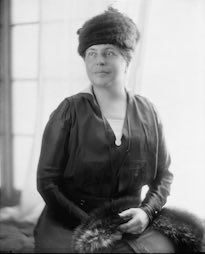
Lillian Wald
Nurse who organized the public health nursing service and the Henry Street Settlement in New York City to meet the needs of the urban poor. Wald created public health nursing services for many groups, and established the Public Health Nurses, known today as Visiting Nurse Service.
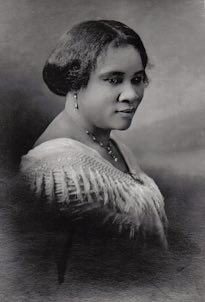
Madam C. J. Walker
Sara Breedlove, a Black entrepreneur considered the first African American woman to become a millionaire. She did this by devising a hair care and grooming system for African Americans and pioneered a door-to-door sales approach. The daughter of former slaves, Walker became an advocate for positive social change as well as a philanthropist.
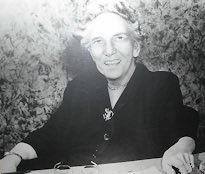
Rebecca Talbot Perkins
In 1927, a time when very few agencies existed to promote adoption, Rebecca Talbot Perkins joined with the Alliance of Women’s Clubs of Brooklyn to create The Rebecca Talbot Perkins Adoption Society. Later known as Talbot Perkins Children’s Services, the organization provided foster care and adoption services to countless families across the country for 75 years. Throughout her lifetime, Perkins was active in various charitable and civic causes as a member of the Brooklyn Women’s Suffrage Society, chair of the Alliance of Women’s Clubs of Brooklyn, Vice President of the Memorial Hospital for Women and Children, and a director of the Welcome Home for Girls.
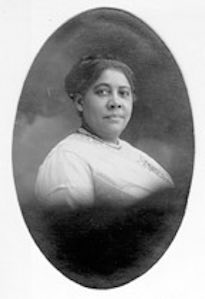
Mary Burnett Talbert
Civil Rights activist and suffragist, Talbert was the first African-American high school principal in the state of Arkansas. Moving to Buffalo in 1891, she went on to lecture internationally on race relations and women’s rights. In 1905, she helped found and organize the Niagara Movement, a forerunner of the NAACP.
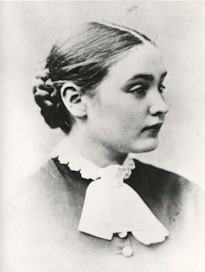
Anne Sullivan
Best known as the woman who taught Helen Keller to read, write and minimally speak, Anne Sullivan lost her own sight to trachoma at an early age. She went on to graduate from Perkins School for the Blind in Boston and eventually receive medical treatment that restored her sight. Both Sullivan and Keller became role models for thousands of physically challenged people around the world.
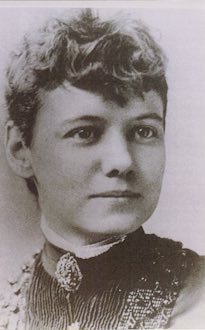
Elizabeth Jane Cochran
Trail-blazing journalist considered to be the “best reporter in America” who pioneered investigative journalism.
Lillian Wald
Nurse who organized the public health nursing service and the Henry Street Settlement in New York City to meet the needs of the urban poor. Wald created public health nursing services for many groups, and established the Public Health Nurses, known today as Visiting Nurse Service.
Madam C. J. Walker
Sara Breedlove, a Black entrepreneur considered the first African American woman to become a millionaire. She did this by devising a hair care and grooming system for African Americans and pioneered a door-to-door sales approach. The daughter of former slaves, Walker became an advocate for positive social change as well as a philanthropist.
Rebecca Talbot Perkins
In 1927, a time when very few agencies existed to promote adoption, Rebecca Talbot Perkins joined with the Alliance of Women’s Clubs of Brooklyn to create The Rebecca Talbot Perkins Adoption Society. Later known as Talbot Perkins Children’s Services, the organization provided foster care and adoption services to countless families across the country for 75 years. Throughout her lifetime, Perkins was active in various charitable and civic causes as a member of the Brooklyn Women’s Suffrage Society, chair of the Alliance of Women’s Clubs of Brooklyn, Vice President of the Memorial Hospital for Women and Children, and a director of the Welcome Home for Girls.
Mary Burnett Talbert
Civil Rights activist and suffragist, Talbert was the first African-American high school principal in the state of Arkansas. Moving to Buffalo in 1891, she went on to lecture internationally on race relations and women’s rights. In 1905, she helped found and organize the Niagara Movement, a forerunner of the NAACP.
Anne Sullivan
Best known as the woman who taught Helen Keller to read, write and minimally speak, Anne Sullivan lost her own sight to trachoma at an early age. She went on to graduate from Perkins School for the Blind in Boston and eventually receive medical treatment that restored her sight. Both Sullivan and Keller became role models for thousands of physically challenged people around the world.
Elizabeth Jane Cochran
Trail-blazing journalist considered to be the “best reporter in America” who pioneered investigative journalism.