Discover the Women of the Hall
These are the Inductees of the National Women’s Hall of Fame. Select any of the women to discover their stories and learn how they have influenced other women and this country.
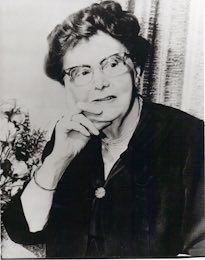
Ethel Percy Andrus
Founded the American Association of Retired Persons (AARP) to help older Americans cope effectively in their later years. Her organization, now 36 million members strong and a political lobbying force, helps with health insurance, career assistance and discounts for senior citizens.
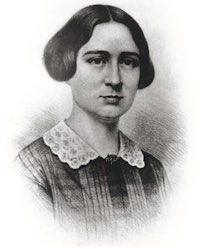
Antoinette Blackwell
First American woman ordained a minister by a recognized denomination (Congregational), despite great opposition to women in the ministry. Blackwell was a pastor, mother of seven children, and wrote many books and essays.
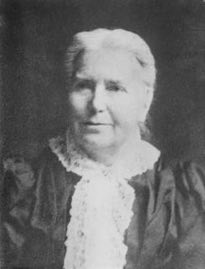
Emily Blackwell
Sister of Elizabeth Blackwell, was also a physician. Emily ran the infirmary for women and the medical college for women founded by her sister, providing excellent training for women in medicine.
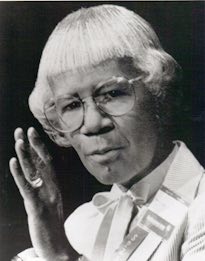
Shirley Chisholm
First African American woman elected to the U.S. Congress. Chisholm was also the first African American woman to receive delegate votes for the presidential nomination of a major party. A member of Congress for many years, she was also an educator and writer.
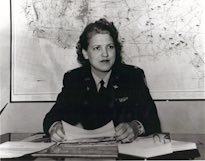
Jacqueline Cochran
First woman aviator to break the sound barrier. A leader and pilot, Cochran held many speed, distance and altitude records. She led the Women’s Air Force Service Pilots during World War II, becoming the first woman to pilot a bomber across the Atlantic Ocean.
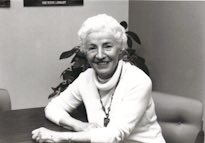
Ruth Colvin
Founder of the Literacy Volunteers of America, a group which she began in her upstate New York home. The organization has now taught nearly half a million people to read. Its unique approach, designed by Colvin, employs community tutors.
Ethel Percy Andrus
Founded the American Association of Retired Persons (AARP) to help older Americans cope effectively in their later years. Her organization, now 36 million members strong and a political lobbying force, helps with health insurance, career assistance and discounts for senior citizens.
Antoinette Blackwell
First American woman ordained a minister by a recognized denomination (Congregational), despite great opposition to women in the ministry. Blackwell was a pastor, mother of seven children, and wrote many books and essays.
Emily Blackwell
Sister of Elizabeth Blackwell, was also a physician. Emily ran the infirmary for women and the medical college for women founded by her sister, providing excellent training for women in medicine.
Shirley Chisholm
First African American woman elected to the U.S. Congress. Chisholm was also the first African American woman to receive delegate votes for the presidential nomination of a major party. A member of Congress for many years, she was also an educator and writer.
Jacqueline Cochran
First woman aviator to break the sound barrier. A leader and pilot, Cochran held many speed, distance and altitude records. She led the Women’s Air Force Service Pilots during World War II, becoming the first woman to pilot a bomber across the Atlantic Ocean.
Ruth Colvin
Founder of the Literacy Volunteers of America, a group which she began in her upstate New York home. The organization has now taught nearly half a million people to read. Its unique approach, designed by Colvin, employs community tutors.
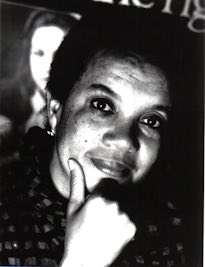
Marian Wright Edelman
Attorney and civil rights advocate who founded the Children’s Defense Fund, the nation’s strongest advocacy group for children. A passionate champion for youth, Edelman’s organization works on health care and assistance for homeless children.
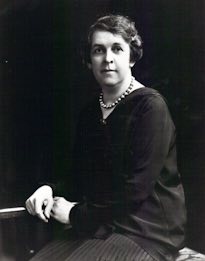
Alice Evans
Scientist who found the organism which caused undulant fever, a killer disease. Evans’s discovery led to mandatory milk pasteurization, saving countless lives worldwide. An outstanding scientist, she also advocated women entering the scientific professions.
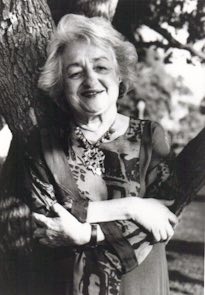
Betty Friedan
Reshaped American attitudes toward women’s lives and rights through decades of social activism, strategic thinking and powerful writing. Her book The Feminine Mystique (1963) triggered the contemporary women’s movement. Her latest work is the best-selling The Fountain of Age.
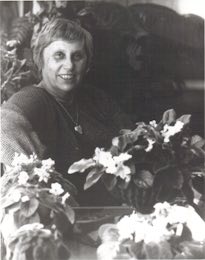
Ella Grasso
First woman elected a state governor in her own right. Grasso was elected Governor of Connecticut in 1974, serving until illness forced her retirement in 1980. She was also a Congresswoman and advocate for women, minorities and the elderly.
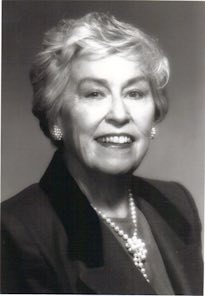
Martha Wright Griffiths
Congresswoman from Michigan 1955-1975, best known for successfully adding sex discrimination as a prohibited act in the 1964 Civil Rights Act. Griffiths also successfully led the Equal Rights Amendment passage in the House of Representatives.
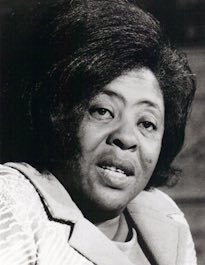
Fannie Lou Hamer
Mississippi sharecropper and organizer of the Mississippi Freedom Party, which challenged the white domination of the Democratic Party. Hamer succeeded in integrating the state delegation, and she was a tireless champion for poor minorities in her state and nationwide.
Marian Wright Edelman
Attorney and civil rights advocate who founded the Children’s Defense Fund, the nation’s strongest advocacy group for children. A passionate champion for youth, Edelman’s organization works on health care and assistance for homeless children.
Alice Evans
Scientist who found the organism which caused undulant fever, a killer disease. Evans’s discovery led to mandatory milk pasteurization, saving countless lives worldwide. An outstanding scientist, she also advocated women entering the scientific professions.
Betty Friedan
Reshaped American attitudes toward women’s lives and rights through decades of social activism, strategic thinking and powerful writing. Her book The Feminine Mystique (1963) triggered the contemporary women’s movement. Her latest work is the best-selling The Fountain of Age.
Ella Grasso
First woman elected a state governor in her own right. Grasso was elected Governor of Connecticut in 1974, serving until illness forced her retirement in 1980. She was also a Congresswoman and advocate for women, minorities and the elderly.
Martha Wright Griffiths
Congresswoman from Michigan 1955-1975, best known for successfully adding sex discrimination as a prohibited act in the 1964 Civil Rights Act. Griffiths also successfully led the Equal Rights Amendment passage in the House of Representatives.
Fannie Lou Hamer
Mississippi sharecropper and organizer of the Mississippi Freedom Party, which challenged the white domination of the Democratic Party. Hamer succeeded in integrating the state delegation, and she was a tireless champion for poor minorities in her state and nationwide.
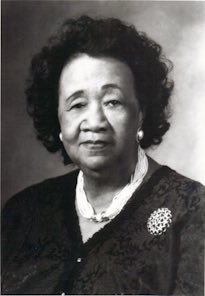
Dorothy Height
Began as a volunteer with the National Council of Negro Women. As its president and leader for forty years, she followed in the footsteps of her mentor, Mary McLeod Bethune. The NCNW represents organizations with more than four million members, works to create stong families as well as to assist young people and the needy.
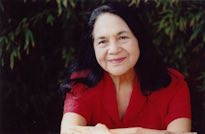
Dolores Huerta
Co-founder (with Cesar Chavez) of the United Farm Workers of America, the nation’s first successful and largest farm workers union. The UFW is dedicated to helping immigrant / migrant people of all ages. Huerta is known as a brilliant organizer, speaker, lobbyist, political strategist and human rights advocate.
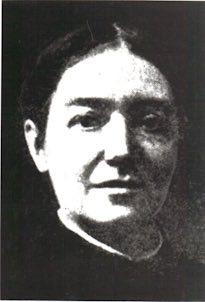
Mary Putnam Jacobi
Physician who founded the Association for the Advancement of Medical Education of Women. Jacobi was a leader in obtaining quality medical education for women.
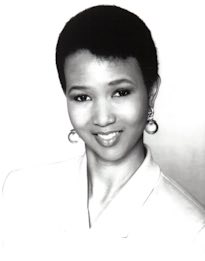
Mae Jemison
Physician, engineer and astronaut. Jemison was the first African American woman astronaut in space, traveling on the Endeavor in 1992. Jemison today works on linking space age technology with developing nations and encouraging women and minorities to enter scientific fields.
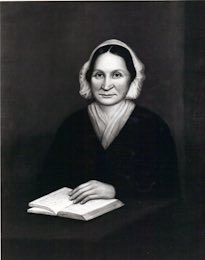
Mary Lyon
Founded the first college for women, Mount Holyoke (1837). Mount Holyoke became the model for institutions of higher education for women nationwide. Lyon based her school on sound finances and high quality education in all disciplines, encouraging and educating women to reach beyond teaching and homemaking.
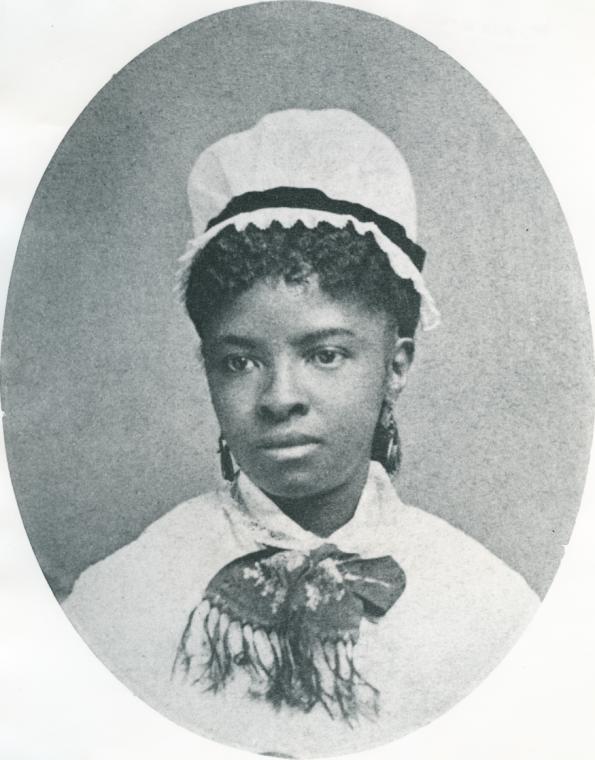
Mary Mahoney
First African American woman to study and work as a professionally trained nurse. Mahoney received her diploma from the New England Hospital in 1879, one of only four of 18 to pass the difficult course.
Dorothy Height
Began as a volunteer with the National Council of Negro Women. As its president and leader for forty years, she followed in the footsteps of her mentor, Mary McLeod Bethune. The NCNW represents organizations with more than four million members, works to create stong families as well as to assist young people and the needy.
Dolores Huerta
Co-founder (with Cesar Chavez) of the United Farm Workers of America, the nation’s first successful and largest farm workers union. The UFW is dedicated to helping immigrant / migrant people of all ages. Huerta is known as a brilliant organizer, speaker, lobbyist, political strategist and human rights advocate.
Mary Putnam Jacobi
Physician who founded the Association for the Advancement of Medical Education of Women. Jacobi was a leader in obtaining quality medical education for women.
Mae Jemison
Physician, engineer and astronaut. Jemison was the first African American woman astronaut in space, traveling on the Endeavor in 1992. Jemison today works on linking space age technology with developing nations and encouraging women and minorities to enter scientific fields.
Mary Lyon
Founded the first college for women, Mount Holyoke (1837). Mount Holyoke became the model for institutions of higher education for women nationwide. Lyon based her school on sound finances and high quality education in all disciplines, encouraging and educating women to reach beyond teaching and homemaking.
Mary Mahoney
First African American woman to study and work as a professionally trained nurse. Mahoney received her diploma from the New England Hospital in 1879, one of only four of 18 to pass the difficult course.
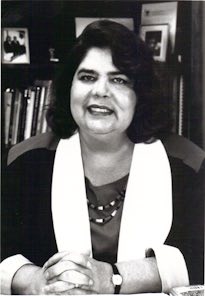
Wilma Mankiller
First woman elected Principal Chief of the Cherokee Nation. As Chief, Mankiller brought about major economic and social improvements for her tribe, including better health care, economic development, and education.
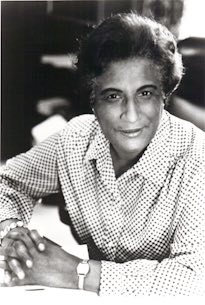
Constance Baker Motley
Attorney and jurist who, after performing landmark work with the NAACP with Thurgood Marshall and others, became the first African American woman elected to the New York State Senate. Motley was the first woman and African American to become Manhattan Borough President; she was the first African American women named to the federal bench.
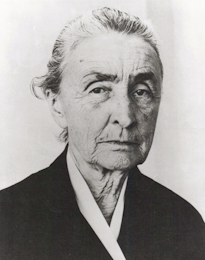
Georgia O'Keeffe
Artist and perhaps the best-known American woman painter. An American original in both her lifestyle and painting, O’Keeffe produced works of high energy and vision throughout her long life.
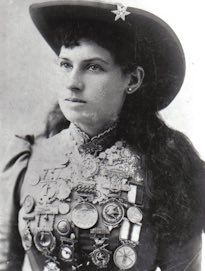
Annie Oakley
Markswoman, was probably the nation’s finest. A performer for many years with Buffalo Bill’s Wild West Show, Oakley was a staunch supporter of other women’s opportunities and raised funds to send needy women to college and nursing school.
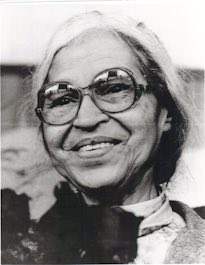
Rosa Parks
Known as “the mother of the Civil Rights Movement,” when, in 1955, she refused to give up her seat on a public bus to a white man in Montgomery, Alabama. The event sparked the Montgomery bus boycott, the first major effort in the Civil Rights struggle.
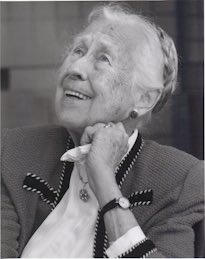
Esther Peterson
Catalyst for change in the labor, women’s and consumer movements. The driving force behind President Kennedy’s creation of the first Presidential Commission on Women in 1962, Peterson headed the Women’s Bureau in the Department of Labor. She also served Presidents Johnson and Carter, and served at the United Nations under President Clinton.
Wilma Mankiller
First woman elected Principal Chief of the Cherokee Nation. As Chief, Mankiller brought about major economic and social improvements for her tribe, including better health care, economic development, and education.
Constance Baker Motley
Attorney and jurist who, after performing landmark work with the NAACP with Thurgood Marshall and others, became the first African American woman elected to the New York State Senate. Motley was the first woman and African American to become Manhattan Borough President; she was the first African American women named to the federal bench.
Georgia O'Keeffe
Artist and perhaps the best-known American woman painter. An American original in both her lifestyle and painting, O’Keeffe produced works of high energy and vision throughout her long life.
Annie Oakley
Markswoman, was probably the nation’s finest. A performer for many years with Buffalo Bill’s Wild West Show, Oakley was a staunch supporter of other women’s opportunities and raised funds to send needy women to college and nursing school.
Rosa Parks
Known as “the mother of the Civil Rights Movement,” when, in 1955, she refused to give up her seat on a public bus to a white man in Montgomery, Alabama. The event sparked the Montgomery bus boycott, the first major effort in the Civil Rights struggle.
Esther Peterson
Catalyst for change in the labor, women’s and consumer movements. The driving force behind President Kennedy’s creation of the first Presidential Commission on Women in 1962, Peterson headed the Women’s Bureau in the Department of Labor. She also served Presidents Johnson and Carter, and served at the United Nations under President Clinton.