Discover the Women of the Hall
These are the Inductees of the National Women’s Hall of Fame. Select any of the women to discover their stories and learn how they have influenced other women and this country.
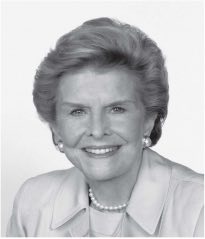
Betty Ford
A groundbreaking First Lady, Betty Ford is often remembered for her candor in addressing the controversial issues of her time. Shortly after she became the First Lady of the United States in 1974, Ford was diagnosed with breast cancer and underwent a radical mastectomy. Rather than suppressing the diagnosis, Ford courageously shared her personal story and inspired countless women across the nation to get breast examinations. In 1978, following a family intervention, Ford underwent successful treatment for addiction to alcohol and prescription drugs. She again used her story to raise public awareness of addiction, and in 1982, she co-founded the Betty Ford Center to treat victims of alcohol and chemical dependency. Ford was awarded the Presidential Medal of Freedom in 1991 and the Congressional Gold Medal, with President Gerald R. Ford, in 1999.
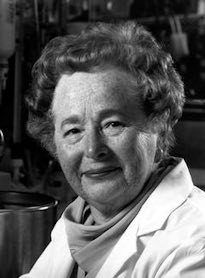
Gertrude Belle Elion
1988 Nobel Prize winner who spent a lifetime creating drugs to combat leukemia, gout, malaria, herpes and other auto-immune diseases. Elion’s work saved many lives, and led to the development of the first major AIDS drug AZT.
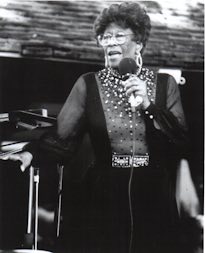
Ella Fitzgerald
World-renowned jazz singer and the first pop musician awarded the Lincoln Center Medallion. At 15, she entered a talent contest to dance. Her knees shook so much during the contest, she chose to sing instead and was discovered by a Chick Webb band member.
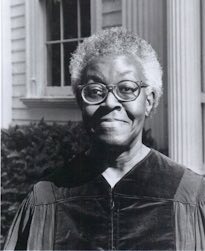
Gwendolyn Brooks
Poet and novelist. Brooks was the first African American woman to win the Pulitzer Prize (Annie Allen, 1949). She was very active in the Black arts movement.
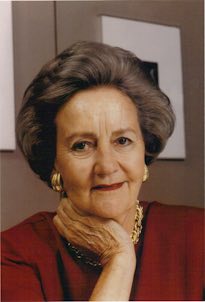
Katharine Graham
As publisher and then Board Chair and CEO of the Washington Post, Graham became one of the most influential women in the country. Her courageous decisions to publish the Pentagon Papers and to proceed with the Watergate investigation earned her a reputation as a daring and thorough journalist, willing to take risks in order to give the American people full access to important information.
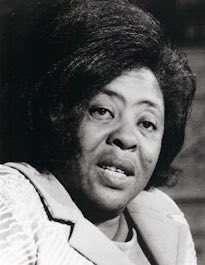
Fannie Lou Hamer
Mississippi sharecropper and organizer of the Mississippi Freedom Party, which challenged the white domination of the Democratic Party. Hamer succeeded in integrating the state delegation, and she was a tireless champion for poor minorities in her state and nationwide.
Betty Ford
A groundbreaking First Lady, Betty Ford is often remembered for her candor in addressing the controversial issues of her time. Shortly after she became the First Lady of the United States in 1974, Ford was diagnosed with breast cancer and underwent a radical mastectomy. Rather than suppressing the diagnosis, Ford courageously shared her personal story and inspired countless women across the nation to get breast examinations. In 1978, following a family intervention, Ford underwent successful treatment for addiction to alcohol and prescription drugs. She again used her story to raise public awareness of addiction, and in 1982, she co-founded the Betty Ford Center to treat victims of alcohol and chemical dependency. Ford was awarded the Presidential Medal of Freedom in 1991 and the Congressional Gold Medal, with President Gerald R. Ford, in 1999.
Gertrude Belle Elion
1988 Nobel Prize winner who spent a lifetime creating drugs to combat leukemia, gout, malaria, herpes and other auto-immune diseases. Elion’s work saved many lives, and led to the development of the first major AIDS drug AZT.
Ella Fitzgerald
World-renowned jazz singer and the first pop musician awarded the Lincoln Center Medallion. At 15, she entered a talent contest to dance. Her knees shook so much during the contest, she chose to sing instead and was discovered by a Chick Webb band member.
Gwendolyn Brooks
Poet and novelist. Brooks was the first African American woman to win the Pulitzer Prize (Annie Allen, 1949). She was very active in the Black arts movement.
Katharine Graham
As publisher and then Board Chair and CEO of the Washington Post, Graham became one of the most influential women in the country. Her courageous decisions to publish the Pentagon Papers and to proceed with the Watergate investigation earned her a reputation as a daring and thorough journalist, willing to take risks in order to give the American people full access to important information.
Fannie Lou Hamer
Mississippi sharecropper and organizer of the Mississippi Freedom Party, which challenged the white domination of the Democratic Party. Hamer succeeded in integrating the state delegation, and she was a tireless champion for poor minorities in her state and nationwide.
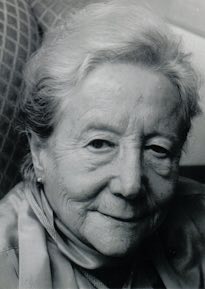
Florence Wald
Former dean of the Yale School of Nursing and founder of the Hospice movement in America, for which she was awarded the honorary Doctorate of Medical Sciences by Yale University in 1995. As a nurse, she went to Europe to study Hospice from the ground up.
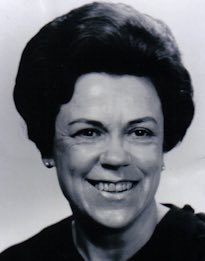
Catherine East
“The midwife of the contemporary women’s movement,” as described by Betty Friedan. East was a key staffer on President John F. Kennedy’s first-ever Presidential Commission on the Status of Women in the 1960s. East persuaded Friedan and others to create the National Organization for Women to lead the drive to eliminate gender discrimination.
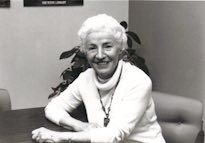
Ruth Colvin
Founder of the Literacy Volunteers of America, a group which she began in her upstate New York home. The organization has now taught nearly half a million people to read. Its unique approach, designed by Colvin, employs community tutors.
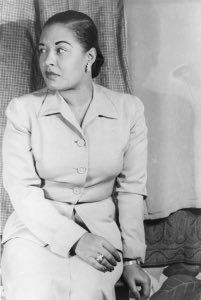
Billie Holiday
Considered by many to be one of the greatest jazz vocalists of all time, Billie Holiday forever changed the genres of jazz and pop with her unique style. Holiday began her career as a singer in Harlem nightclubs in 1931, without formal musical training. She went on to record and tour with a number of famous musicians like Benny Goodman and Lester Young, and officially began recording under her own name in 1936. Holiday, known for her deeply moving and personal vocals, remains a popular musical legend more than fifty years after her death.
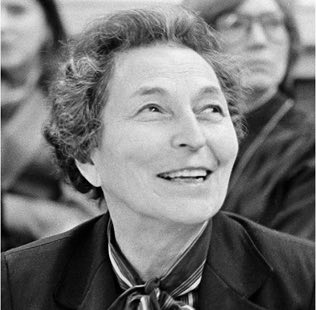
Anna Jacobson Schwartz
Perhaps the most widely acclaimed female research economist of the twentieth century, Anna Jacobson Schwartz has been described as “one of the world’s greatest monetary scholars.” In 1941, after a five year career with Columbia University’s Social Science Research Council, Schwartz began her more than seventy year tenure working for the National Bureau of Economic Research. During her time at the National Bureau, Schwartz met and began working with Milton Friedman and together, the two coauthored A Monetary History of the United States, 1867 – 1960. Described by Federal Reserve chairman, Ben Bernanke, as “the leading and most persuasive explanation of the worst economic disaster in American history,” the text is one of the most widely cited in economics. Schwartz was also considered a leading financial historian and expert on monetary statistics in the United States and Britain.
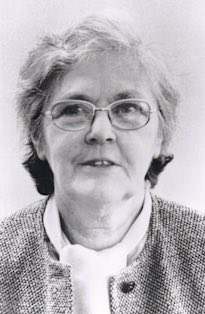
Frances Oldham Kelsey
A medical and pharmaceutical researcher for the Food and Drug Administration, she refused to approve the use of thalidomide in this country, saving countless babies from terrible deformities. As a result of her testimony before Congress, the 1962 drug act was passed, giving the FDA greater control over the manufacture, testing and distribution of drugs. During a career with the FDA which spanned over 39 years, her supervision of clinical investigators has institutionalized the protection of the patient in drug investigations.
Florence Wald
Former dean of the Yale School of Nursing and founder of the Hospice movement in America, for which she was awarded the honorary Doctorate of Medical Sciences by Yale University in 1995. As a nurse, she went to Europe to study Hospice from the ground up.
Catherine East
“The midwife of the contemporary women’s movement,” as described by Betty Friedan. East was a key staffer on President John F. Kennedy’s first-ever Presidential Commission on the Status of Women in the 1960s. East persuaded Friedan and others to create the National Organization for Women to lead the drive to eliminate gender discrimination.
Ruth Colvin
Founder of the Literacy Volunteers of America, a group which she began in her upstate New York home. The organization has now taught nearly half a million people to read. Its unique approach, designed by Colvin, employs community tutors.
Billie Holiday
Considered by many to be one of the greatest jazz vocalists of all time, Billie Holiday forever changed the genres of jazz and pop with her unique style. Holiday began her career as a singer in Harlem nightclubs in 1931, without formal musical training. She went on to record and tour with a number of famous musicians like Benny Goodman and Lester Young, and officially began recording under her own name in 1936. Holiday, known for her deeply moving and personal vocals, remains a popular musical legend more than fifty years after her death.
Anna Jacobson Schwartz
Perhaps the most widely acclaimed female research economist of the twentieth century, Anna Jacobson Schwartz has been described as “one of the world’s greatest monetary scholars.” In 1941, after a five year career with Columbia University’s Social Science Research Council, Schwartz began her more than seventy year tenure working for the National Bureau of Economic Research. During her time at the National Bureau, Schwartz met and began working with Milton Friedman and together, the two coauthored A Monetary History of the United States, 1867 – 1960. Described by Federal Reserve chairman, Ben Bernanke, as “the leading and most persuasive explanation of the worst economic disaster in American history,” the text is one of the most widely cited in economics. Schwartz was also considered a leading financial historian and expert on monetary statistics in the United States and Britain.
Frances Oldham Kelsey
A medical and pharmaceutical researcher for the Food and Drug Administration, she refused to approve the use of thalidomide in this country, saving countless babies from terrible deformities. As a result of her testimony before Congress, the 1962 drug act was passed, giving the FDA greater control over the manufacture, testing and distribution of drugs. During a career with the FDA which spanned over 39 years, her supervision of clinical investigators has institutionalized the protection of the patient in drug investigations.
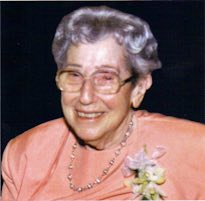
Mildred Cohn
A groundbreaking scientist in several important areas of biological research, Mildred Cohn pioneered research that helped form the scientific understanding of mechanisms of enzymatic reactions and the methods of studying them. In 1946, she introduced the use of isotopic oxygen 18 to study metabolic processes and enzyme mechanisms. She later applied nuclear magnetic resonance (NMR) and electron paramagnetic resonance (EPR) to investigate metabolism and metabolic intermediates. Cohn has published more than 150 scientific papers and has received several awards for her work, including the National Medal of Science in 1982.
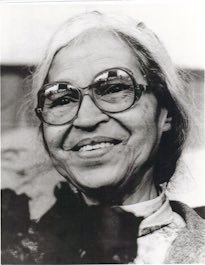
Rosa Parks
Known as “the mother of the Civil Rights Movement,” when, in 1955, she refused to give up her seat on a public bus to a white man in Montgomery, Alabama. The event sparked the Montgomery bus boycott, the first major effort in the Civil Rights struggle.
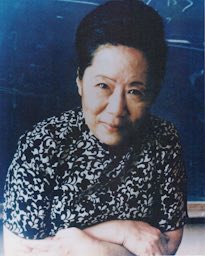
Chien-Shiung Wu
Nuclear physicist whose pioneering work altered modern physical theory and changed the accepted view of the structure of the universe.
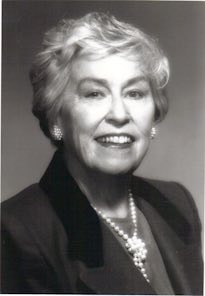
Martha Wright Griffiths
Congresswoman from Michigan 1955-1975, best known for successfully adding sex discrimination as a prohibited act in the 1964 Civil Rights Act. Griffiths also successfully led the Equal Rights Amendment passage in the House of Representatives.
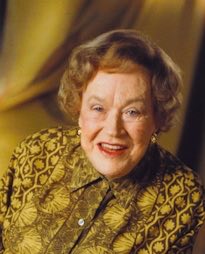
Julia Child
A graduate of Smith College, Julia Child went on to attend classes at Le Cordon Bleu in Paris. The famous American cook, author, and television personality introduced French cuisine and cooking techniques to America through her cookbooks and television programs. Her most famous works include the 1961 cookbook Mastering the Art of French Cooking and the television series The French Chef, which premiered in 1963. She is widely credited with demystifying the art of fine cooking.
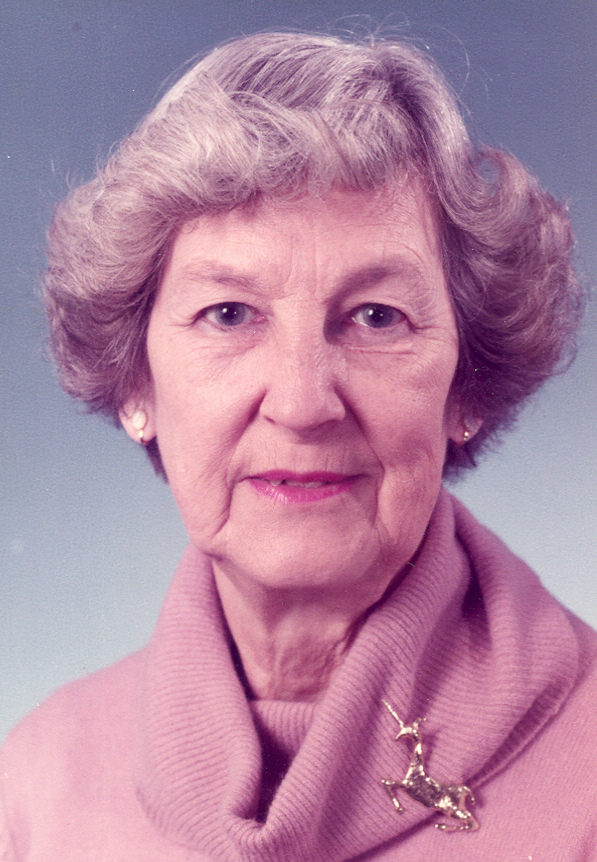
Georgeanna Emory Seegar Jones
Mildred Cohn
A groundbreaking scientist in several important areas of biological research, Mildred Cohn pioneered research that helped form the scientific understanding of mechanisms of enzymatic reactions and the methods of studying them. In 1946, she introduced the use of isotopic oxygen 18 to study metabolic processes and enzyme mechanisms. She later applied nuclear magnetic resonance (NMR) and electron paramagnetic resonance (EPR) to investigate metabolism and metabolic intermediates. Cohn has published more than 150 scientific papers and has received several awards for her work, including the National Medal of Science in 1982.
Rosa Parks
Known as “the mother of the Civil Rights Movement,” when, in 1955, she refused to give up her seat on a public bus to a white man in Montgomery, Alabama. The event sparked the Montgomery bus boycott, the first major effort in the Civil Rights struggle.
Chien-Shiung Wu
Nuclear physicist whose pioneering work altered modern physical theory and changed the accepted view of the structure of the universe.
Martha Wright Griffiths
Congresswoman from Michigan 1955-1975, best known for successfully adding sex discrimination as a prohibited act in the 1964 Civil Rights Act. Griffiths also successfully led the Equal Rights Amendment passage in the House of Representatives.
Julia Child
A graduate of Smith College, Julia Child went on to attend classes at Le Cordon Bleu in Paris. The famous American cook, author, and television personality introduced French cuisine and cooking techniques to America through her cookbooks and television programs. Her most famous works include the 1961 cookbook Mastering the Art of French Cooking and the television series The French Chef, which premiered in 1963. She is widely credited with demystifying the art of fine cooking.
Georgeanna Emory Seegar Jones
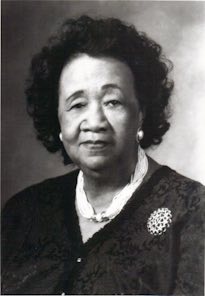
Dorothy Height
Began as a volunteer with the National Council of Negro Women. As its president and leader for forty years, she followed in the footsteps of her mentor, Mary McLeod Bethune. The NCNW represents organizations with more than four million members, works to create stong families as well as to assist young people and the needy.
Louise Bourgeois
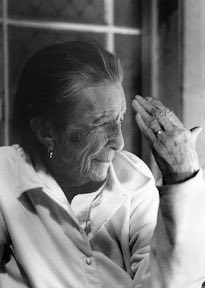
One of the world’s most preeminent artists, Louise Bourgeois’s career spanned over seven decades. Best known for her work as a sculptor, Bourgeois used a variety of materials including wood, metal, marble and latex to create works often reflective of her childhood experiences and life relationships. In 1982, Bourgeois became the first female artist to be given a retrospective at The Museum of Modern Art in New York, and in 1997 she was awarded the National Medal of Arts. Her varied and extensive body of work has been displayed in the collections of major museums worldwide.
Mildred "Babe" Didrikson Zaharias
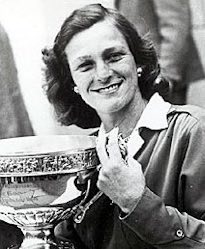
One of the century’s premier athletes. Zaharias won track and field gold medals at the 1932 Olympics. She later became a golf champion and founded the Ladies Professional Golf Association. Zaharias inspired generations of women to develop athletic skills.
Lucille Ball
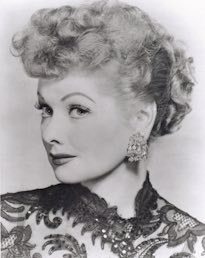
Undoubtedly one of the best known and best loved television comediennes of all time. The “I Love Lucy Show”, which began in 1951, is still shown in reruns in more than 70 countries around the world. She was a television pioneer who excelled both in the acting and the production aspects of television.

Edith S. Green
Annie Dodge Wauneka
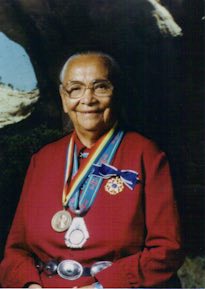
First woman elected to the Tribal Council, she became determined to lead the fight against tuberculosis among the Navajo. She wrote a dictionary to translate English words for modern medical techniques into Navajo, and hosted a radio broadcast in the Navajo language to explain how modern medicine could help in better care for pregnant women and new babies and other family health problems.
Dorothy Height
Began as a volunteer with the National Council of Negro Women. As its president and leader for forty years, she followed in the footsteps of her mentor, Mary McLeod Bethune. The NCNW represents organizations with more than four million members, works to create stong families as well as to assist young people and the needy.
Louise Bourgeois
One of the world’s most preeminent artists, Louise Bourgeois’s career spanned over seven decades. Best known for her work as a sculptor, Bourgeois used a variety of materials including wood, metal, marble and latex to create works often reflective of her childhood experiences and life relationships. In 1982, Bourgeois became the first female artist to be given a retrospective at The Museum of Modern Art in New York, and in 1997 she was awarded the National Medal of Arts. Her varied and extensive body of work has been displayed in the collections of major museums worldwide.
Mildred "Babe" Didrikson Zaharias
One of the century’s premier athletes. Zaharias won track and field gold medals at the 1932 Olympics. She later became a golf champion and founded the Ladies Professional Golf Association. Zaharias inspired generations of women to develop athletic skills.
Lucille Ball
Undoubtedly one of the best known and best loved television comediennes of all time. The “I Love Lucy Show”, which began in 1951, is still shown in reruns in more than 70 countries around the world. She was a television pioneer who excelled both in the acting and the production aspects of television.
Edith S. Green
Annie Dodge Wauneka
First woman elected to the Tribal Council, she became determined to lead the fight against tuberculosis among the Navajo. She wrote a dictionary to translate English words for modern medical techniques into Navajo, and hosted a radio broadcast in the Navajo language to explain how modern medicine could help in better care for pregnant women and new babies and other family health problems.