Discover the Women of the Hall
These are the Inductees of the National Women’s Hall of Fame. Select any of the women to discover their stories and learn how they have influenced other women and this country.
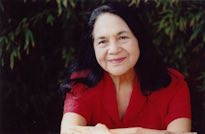
Dolores Huerta
Co-founder (with Cesar Chavez) of the United Farm Workers of America, the nation’s first successful and largest farm workers union. The UFW is dedicated to helping immigrant / migrant people of all ages. Huerta is known as a brilliant organizer, speaker, lobbyist, political strategist and human rights advocate.
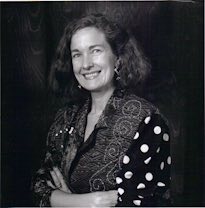
Helen LaKelly Hunt
Creative philanthropist who has used her own resources and others to create women’s funding institutions. Hunt is Co-founder of the National Network of Women’s Funds, and creator of the New York Women’s Foundation, the Dallas Women’s Foundation, and The Sister Fund, all of which provide resources to support grass roots women’s programs and projects.
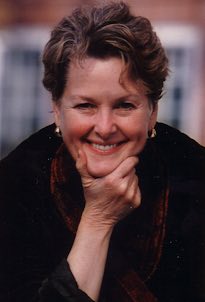
Swanee Hunt
Swanee Hunt is the former Director of the Women and Public Policy Program at Harvard University’s Kennedy School of Government. An internationally recognized expert on foreign affairs and diplomacy, Hunt is heralded for her trailblazing work to increase the participation and inclusion of women in peace processes around the world. She is also President of Hunt Alternatives Fund, a private foundation committed to advancing social change at local, national and global levels.
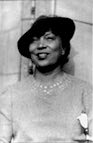
Zora Neale Hurston
Novelist, anthropologist and folklorist who contributed greatly to the preservation of African American folk traditions and to American literature. Hurston’s best known works include Their Eyes Were Watching God and her autobiography, Dust Tracks on the Road.
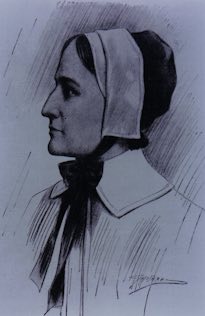
Anne Hutchinson
Religious leader who insisted on practicing her religious faith as she chose, including holding religious meetings in her home, the first woman in the new world to do so. As a result, she was banished from the Massachusetts Bay Colony.
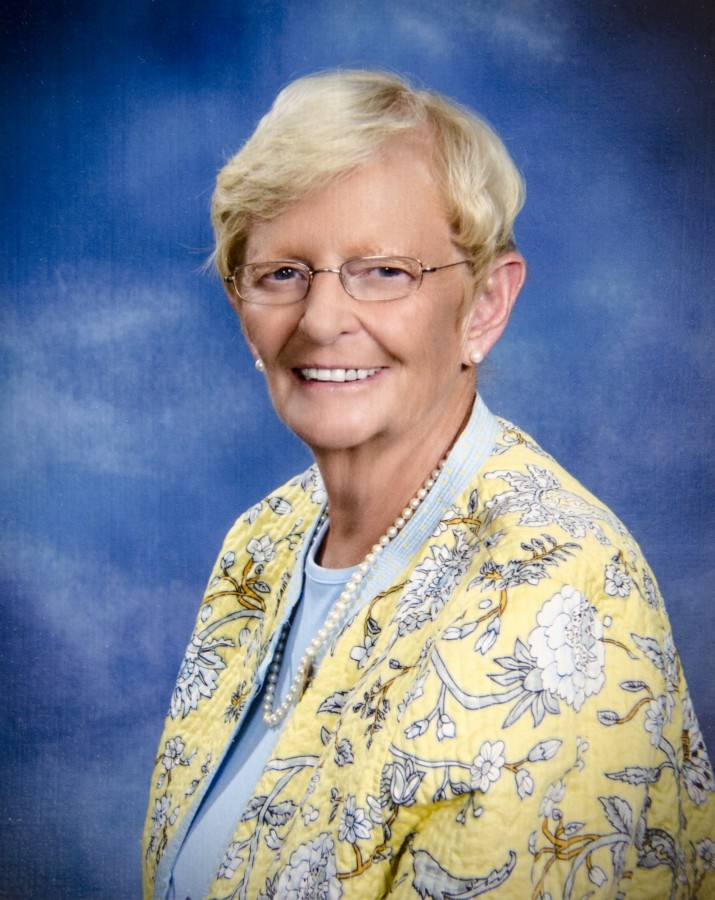
Barbara Iglewski
Microbiologist whose landmark discovery that pathogenic bacteria communicate with each other via a system known as “quorum sensing” served as the foundation for an entire field of study and has led to drug development to interrupt the bacterial communication process.
Dolores Huerta
Co-founder (with Cesar Chavez) of the United Farm Workers of America, the nation’s first successful and largest farm workers union. The UFW is dedicated to helping immigrant / migrant people of all ages. Huerta is known as a brilliant organizer, speaker, lobbyist, political strategist and human rights advocate.
Helen LaKelly Hunt
Creative philanthropist who has used her own resources and others to create women’s funding institutions. Hunt is Co-founder of the National Network of Women’s Funds, and creator of the New York Women’s Foundation, the Dallas Women’s Foundation, and The Sister Fund, all of which provide resources to support grass roots women’s programs and projects.
Swanee Hunt
Swanee Hunt is the former Director of the Women and Public Policy Program at Harvard University’s Kennedy School of Government. An internationally recognized expert on foreign affairs and diplomacy, Hunt is heralded for her trailblazing work to increase the participation and inclusion of women in peace processes around the world. She is also President of Hunt Alternatives Fund, a private foundation committed to advancing social change at local, national and global levels.
Zora Neale Hurston
Novelist, anthropologist and folklorist who contributed greatly to the preservation of African American folk traditions and to American literature. Hurston’s best known works include Their Eyes Were Watching God and her autobiography, Dust Tracks on the Road.
Anne Hutchinson
Religious leader who insisted on practicing her religious faith as she chose, including holding religious meetings in her home, the first woman in the new world to do so. As a result, she was banished from the Massachusetts Bay Colony.
Barbara Iglewski
Microbiologist whose landmark discovery that pathogenic bacteria communicate with each other via a system known as “quorum sensing” served as the foundation for an entire field of study and has led to drug development to interrupt the bacterial communication process.
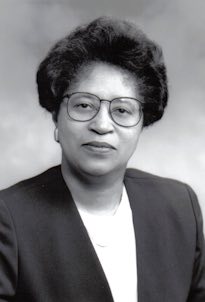
Shirley Ann Jackson
First woman to chair the United States Nuclear Regulatory Commission and the first African American woman to serve on the Commission. Elected a Fellow of the American Physical Society for her contribution to physical science, she became an advocate for women in the areas of science, education and public policy. As Chair of NRC, she rearticulated the vision of the NRC to include reaffirmation of the basic health and safety mission of the agency.
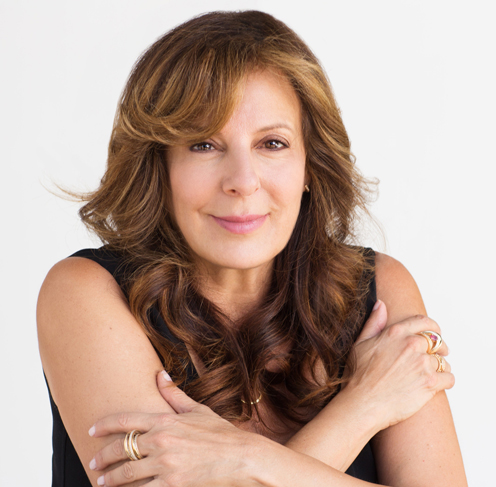
Victoria Jackson
A cosmetic entrepreneur who created, funded, and led a research foundation that has shaped a paradigm-breaking approach to medical research. The Guthy-Jackson Charitable Foundation has created a global community of patients, advocates, and healthcare stakeholders, with significant positive impact on the treatment of autoimmune and related diseases.
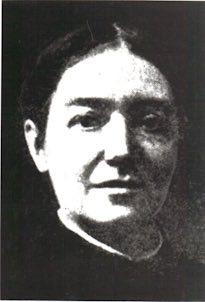
Mary Putnam Jacobi
Physician who founded the Association for the Advancement of Medical Education of Women. Jacobi was a leader in obtaining quality medical education for women.
Frances Wisebart Jacobs
The driving force behind the concept of today’s United Way, founder of the Frances Jacobs Hospital (National Jewish Hospital for Immunology and Respiratory Medicine), an educator and philanthropist.
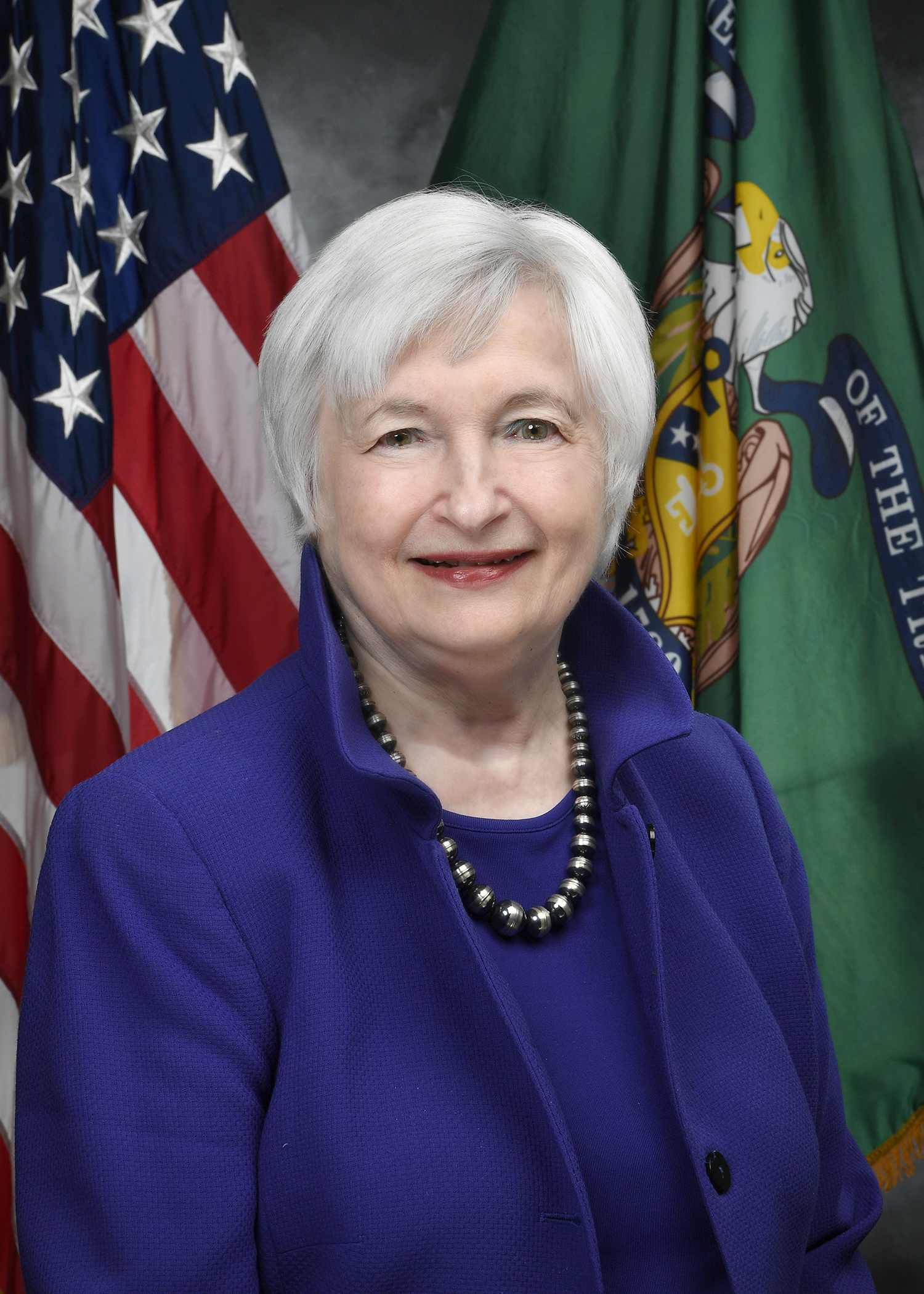
Janet Yellen
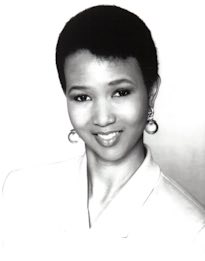
Mae Jemison
Physician, engineer and astronaut. Jemison was the first African American woman astronaut in space, traveling on the Endeavor in 1992. Jemison today works on linking space age technology with developing nations and encouraging women and minorities to enter scientific fields.
Shirley Ann Jackson
First woman to chair the United States Nuclear Regulatory Commission and the first African American woman to serve on the Commission. Elected a Fellow of the American Physical Society for her contribution to physical science, she became an advocate for women in the areas of science, education and public policy. As Chair of NRC, she rearticulated the vision of the NRC to include reaffirmation of the basic health and safety mission of the agency.
Victoria Jackson
A cosmetic entrepreneur who created, funded, and led a research foundation that has shaped a paradigm-breaking approach to medical research. The Guthy-Jackson Charitable Foundation has created a global community of patients, advocates, and healthcare stakeholders, with significant positive impact on the treatment of autoimmune and related diseases.
Mary Putnam Jacobi
Physician who founded the Association for the Advancement of Medical Education of Women. Jacobi was a leader in obtaining quality medical education for women.
Frances Wisebart Jacobs
The driving force behind the concept of today’s United Way, founder of the Frances Jacobs Hospital (National Jewish Hospital for Immunology and Respiratory Medicine), an educator and philanthropist.
Mae Jemison
Physician, engineer and astronaut. Jemison was the first African American woman astronaut in space, traveling on the Endeavor in 1992. Jemison today works on linking space age technology with developing nations and encouraging women and minorities to enter scientific fields.
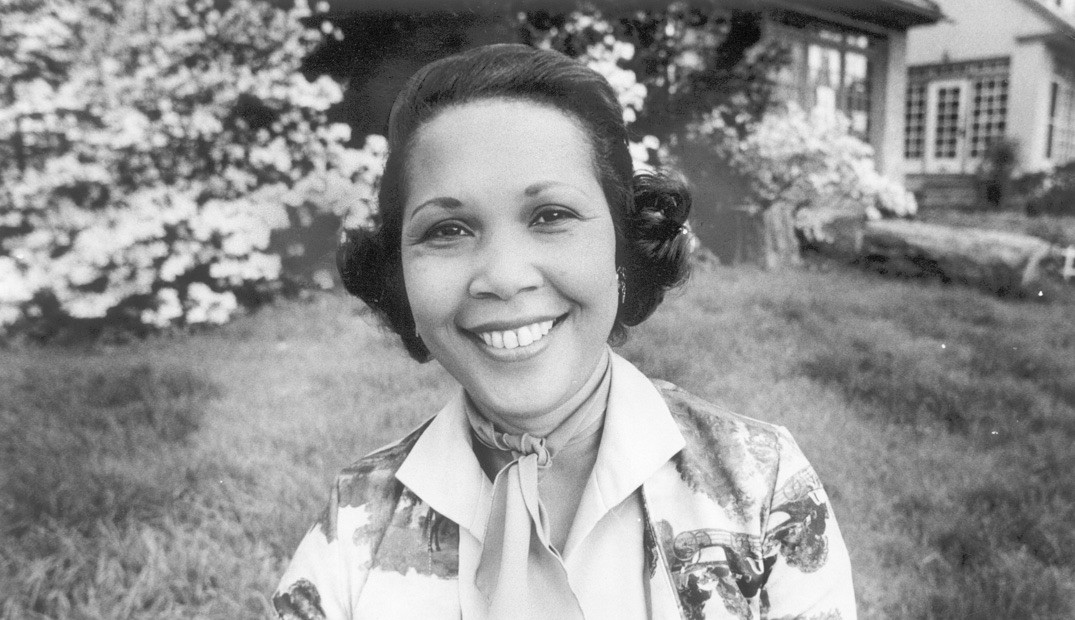
Barbara Rose Johns Powell
A young, civil rights leader, and pioneer. At the age of 16, Powell led a student strike, for equal education, at R.R. Moton High School in Farmville, Virginia.
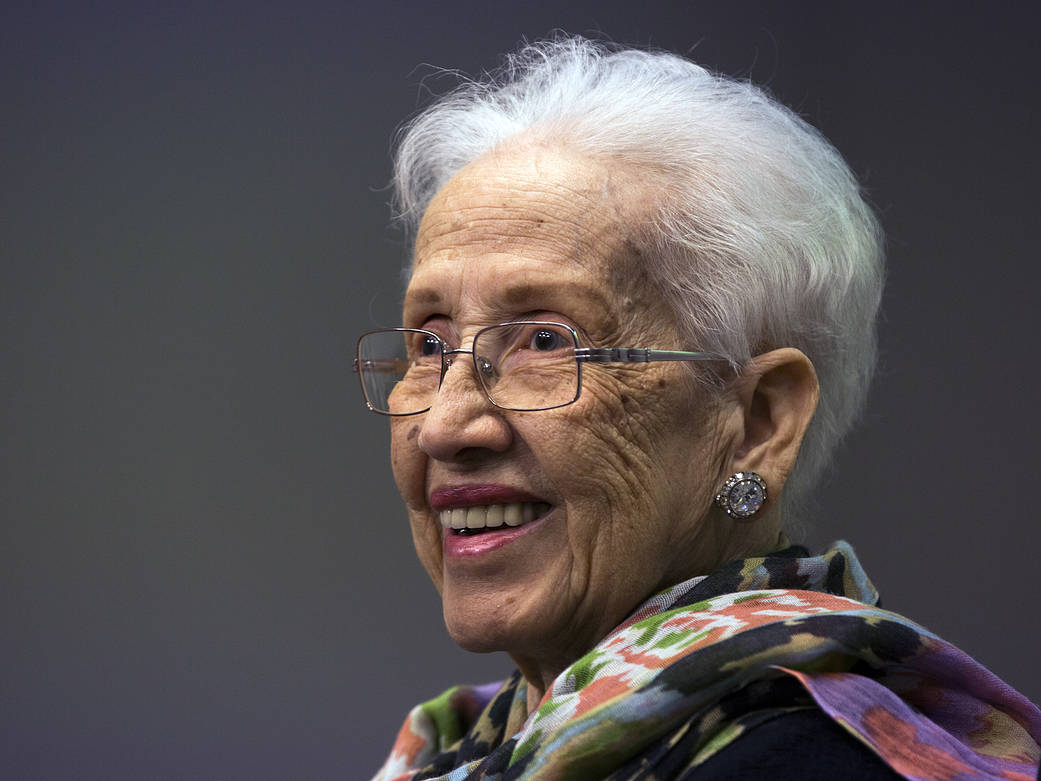
Katherine Johnson
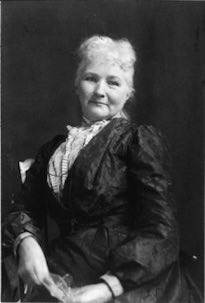
Mary "Mother" Harris Jones
Labor organizer and agitator who was a major figure in the American labor movement. For decades, Jones spoke out and organized for social justice for workers. She worked on behalf of the United Mine Workers and other groups.
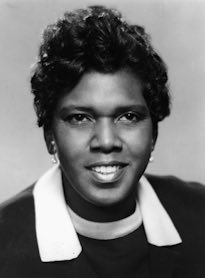
Barbara Jordan
First African American woman elected to Congress from the south and the first African American woman to deliver the keynote address at the convention of a major political party (Democratic Convention, 1976). Known as having a brilliant legal mind, Jordan became a professor and lecturer after retiring from Congress.
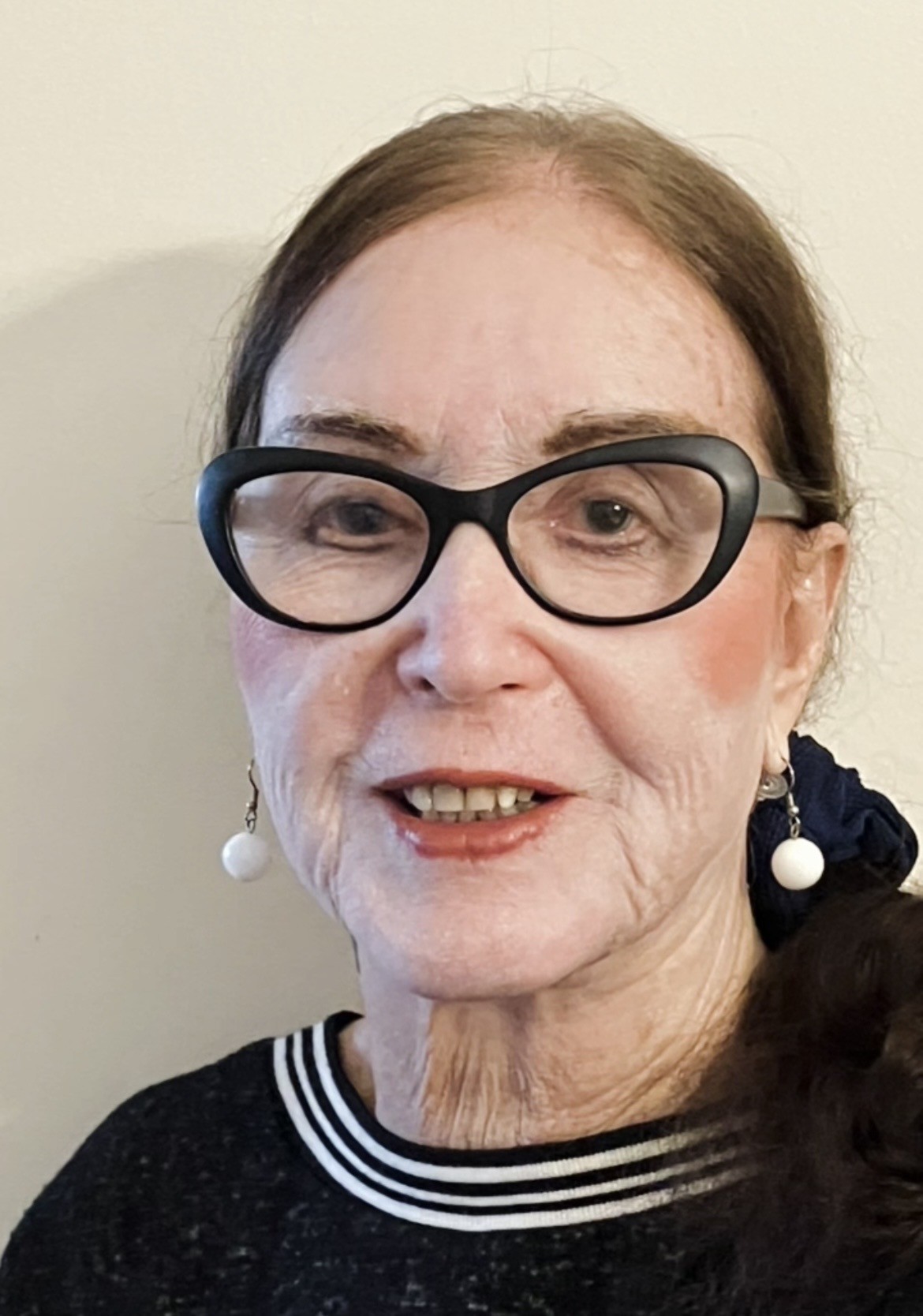
Judith Viorst
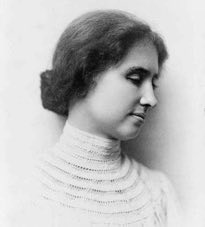
Helen Keller
Author and lecturer. An illness at the age of 19 months left her deaf, blind and mute. Through the work of teacher Anne Sullivan, she learned to overcome these daunting handicaps and became a powerful and effective national spokesperson on behalf of others with similar disabilities.
Barbara Rose Johns Powell
A young, civil rights leader, and pioneer. At the age of 16, Powell led a student strike, for equal education, at R.R. Moton High School in Farmville, Virginia.
Katherine Johnson
Mary "Mother" Harris Jones
Labor organizer and agitator who was a major figure in the American labor movement. For decades, Jones spoke out and organized for social justice for workers. She worked on behalf of the United Mine Workers and other groups.
Barbara Jordan
First African American woman elected to Congress from the south and the first African American woman to deliver the keynote address at the convention of a major political party (Democratic Convention, 1976). Known as having a brilliant legal mind, Jordan became a professor and lecturer after retiring from Congress.
Helen Keller
Author and lecturer. An illness at the age of 19 months left her deaf, blind and mute. Through the work of teacher Anne Sullivan, she learned to overcome these daunting handicaps and became a powerful and effective national spokesperson on behalf of others with similar disabilities.
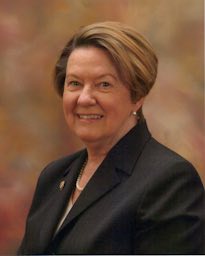
Susan Kelly-Dreiss
Susan Kelly-Dreiss has worked for over 30 years to enact legal protections, implement innovative services and heighten public awareness on behalf of battered women and their children. In 1976, Kelly-Dreiss lobbied for passage of Pennsylvania’s first domestic violence law, and later that same year, she co-founded the nation’s first domestic violence coalition, the Pennsylvania Coalition Against Domestic Violence (PCADV). She was a founding member of the National Network to End Domestic Violence, and has played a key role in drafting federal legislation including the Federal Violence Prevention and Services Act and the Violence Against Women Act.
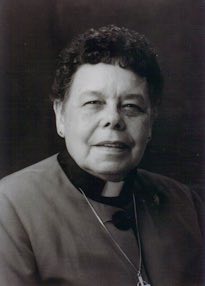
Leontine T.C. Kelly
A Methodist bishop, Leontine T.C. Kelly was the first African American woman to be elected bishop in the United Methodist Church. She served as bishop of the California-Nevada Annual Conference and the president of the Western Jurisdiction College of Bishops. Committed to peace and justice, she was arrested several times for protesting nuclear weapons, and was one of 18 bishops who signed a letter to the Methodist Church in response to its policy toward gays and lesbians in the church.
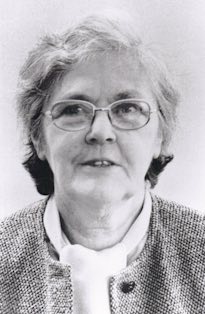
Frances Oldham Kelsey
A medical and pharmaceutical researcher for the Food and Drug Administration, she refused to approve the use of thalidomide in this country, saving countless babies from terrible deformities. As a result of her testimony before Congress, the 1962 drug act was passed, giving the FDA greater control over the manufacture, testing and distribution of drugs. During a career with the FDA which spanned over 39 years, her supervision of clinical investigators has institutionalized the protection of the patient in drug investigations.
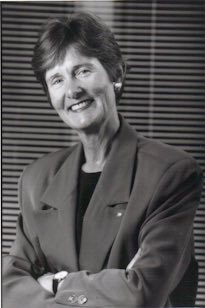
Nannerl O. Keohane
The first contemporary woman to head both a major women’s college (Wellesley) and a research university (Duke). Her efforts have increased minority student enrollment and improved faculty diversity.
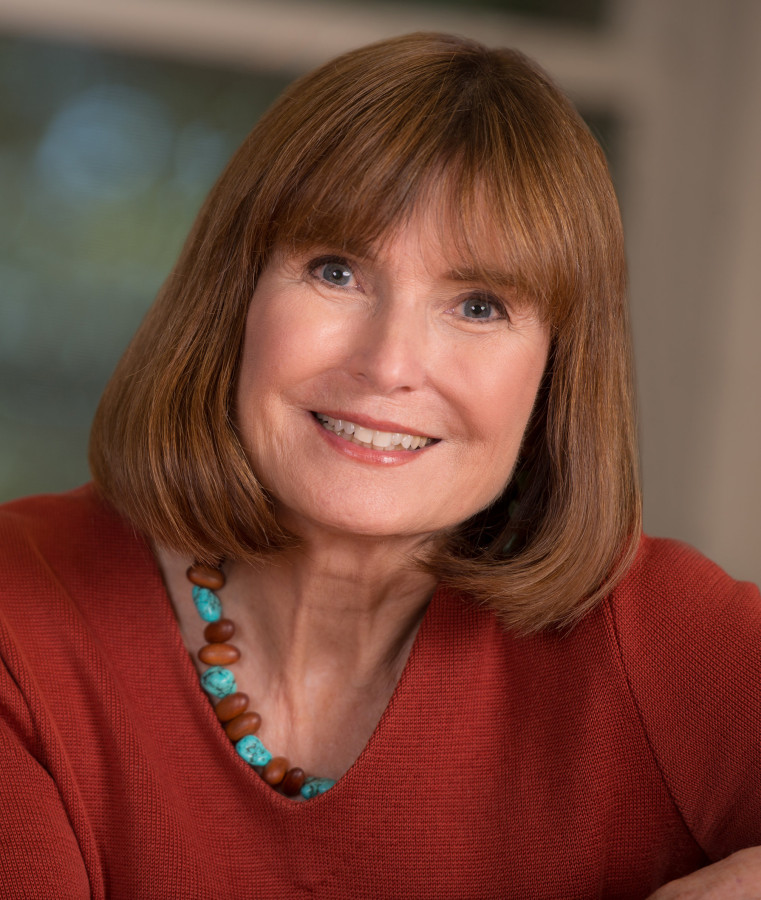
Jean Kilbourne
Through her pioneering work studying images of women in advertising, Jean Kilbourne has changed the conversation as to how organizations and educational institutions address many public health problems including smoking, high-risk drinking eating disorders, obesity, sexualization of children, and violence against women.
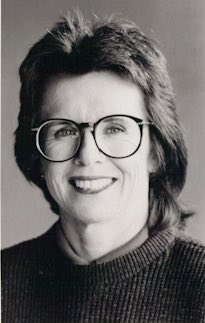
Billie Jean King
Dominated the world of tennis for more than 20 years, winning 20 Wimbledon titles, 13 U.S. Open titles and more. King was the founder of the Women’s Tennis Association and helped create the Women’s Sports Foundation.
Susan Kelly-Dreiss
Susan Kelly-Dreiss has worked for over 30 years to enact legal protections, implement innovative services and heighten public awareness on behalf of battered women and their children. In 1976, Kelly-Dreiss lobbied for passage of Pennsylvania’s first domestic violence law, and later that same year, she co-founded the nation’s first domestic violence coalition, the Pennsylvania Coalition Against Domestic Violence (PCADV). She was a founding member of the National Network to End Domestic Violence, and has played a key role in drafting federal legislation including the Federal Violence Prevention and Services Act and the Violence Against Women Act.
Leontine T.C. Kelly
A Methodist bishop, Leontine T.C. Kelly was the first African American woman to be elected bishop in the United Methodist Church. She served as bishop of the California-Nevada Annual Conference and the president of the Western Jurisdiction College of Bishops. Committed to peace and justice, she was arrested several times for protesting nuclear weapons, and was one of 18 bishops who signed a letter to the Methodist Church in response to its policy toward gays and lesbians in the church.
Frances Oldham Kelsey
A medical and pharmaceutical researcher for the Food and Drug Administration, she refused to approve the use of thalidomide in this country, saving countless babies from terrible deformities. As a result of her testimony before Congress, the 1962 drug act was passed, giving the FDA greater control over the manufacture, testing and distribution of drugs. During a career with the FDA which spanned over 39 years, her supervision of clinical investigators has institutionalized the protection of the patient in drug investigations.
Nannerl O. Keohane
The first contemporary woman to head both a major women’s college (Wellesley) and a research university (Duke). Her efforts have increased minority student enrollment and improved faculty diversity.
Jean Kilbourne
Through her pioneering work studying images of women in advertising, Jean Kilbourne has changed the conversation as to how organizations and educational institutions address many public health problems including smoking, high-risk drinking eating disorders, obesity, sexualization of children, and violence against women.
Billie Jean King
Dominated the world of tennis for more than 20 years, winning 20 Wimbledon titles, 13 U.S. Open titles and more. King was the founder of the Women’s Tennis Association and helped create the Women’s Sports Foundation.