Discover the Women of the Hall
These are the Inductees of the National Women’s Hall of Fame. Select any of the women to discover their stories and learn how they have influenced other women and this country.
 Amelia Earhart
Science
1897
Kansas
1973
Amelia Earhart
Science
1897
Kansas
1973
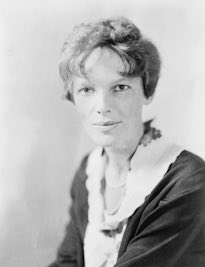
Amelia Earhart
The first woman to fly across the Atlantic Ocean, and the first to fly solo across the Pacific Ocean. Earhart was a strong individual who inspired other women to take risks in non-traditional arenas.
 Elizabeth Cady Stanton
Humanities
1815
New York
1973
Elizabeth Cady Stanton
Humanities
1815
New York
1973
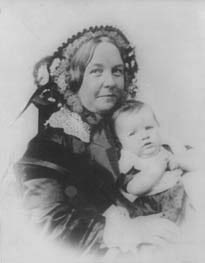
Elizabeth Cady Stanton
Suffragist and reformer. Stanton noticed from her earliest years that women were not treated equally with men. In 1848, she and others convened the first Women’s Rights Convention in Seneca Falls, New York, bringing 300 individuals together, including Frederick Douglass. Stanton determined that the right to vote was the key to women’s equality. Throughout her life and partnership with Susan B. Anthony, she wrote and argued brilliantly for women’s equality through the right to vote.
 Eleanor Roosevelt
Humanities
1884
1973
Eleanor Roosevelt
Humanities
1884
1973
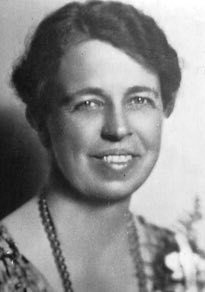
Eleanor Roosevelt
Trailblazing First Lady and wife of President Franklin Roosevelt. She spent her adult years working in politics and social reform. Her warmth and compassion inspired the nation, and she later became U.S. Delegate to the United Nations. The U.N. Declaration of Human Rights was largely her work, and she chaired the first-ever Presidential Commission on the Status of Women (1961).
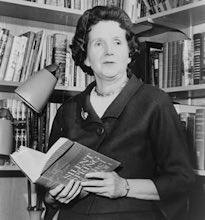 Rachel Carson
Science
1907
Pennsylvania
1973
Rachel Carson
Science
1907
Pennsylvania
1973
Rachel Carson
Zoologist whose concern over the damaging effects of pesticides and other poisons on the environment led to her groundbreaking work, Silent Spring. Carson’s book was a catalyst for the environmental movement of today.
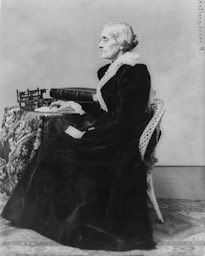 Susan B. Anthony
Humanities
1820
Massachusetts
1973
Susan B. Anthony
Humanities
1820
Massachusetts
1973
Susan B. Anthony
The women’s movement’s most powerful organizer whose lifetime of dedication, and work with Elizabeth Cady Stanton, paved the way for women’s right to vote. Her words “Men their rights and nothing more; women their rights and nothing less,” expressed the ongoing struggle for equality.
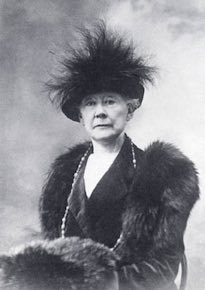 Mary Cassatt
Arts
1844
Pennsylvania
1973
Mary Cassatt
Arts
1844
Pennsylvania
1973
Mary Cassatt
American impressionist painter who captured the soul of family life, women, children, interiors and gardens. A friend and student of the great Impressionists of Paris, Cassatt powerfully influenced American art.
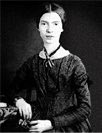 Emily Dickinson
Arts
1830
Massachusetts
1973
Emily Dickinson
Arts
1830
Massachusetts
1973
Emily Dickinson
One of the world’s greatest poets. A New England woman who spent much of her life in one small community, her world vision and innovative style has had a lasting impact on literature.
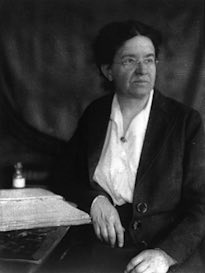 Florence Sabin
Science
1871
Colorado
1973
Florence Sabin
Science
1871
Colorado
1973
Florence Sabin
First woman graduate of the Johns Hopkins School of Medicine and the first woman to teach there. A talented anatomist and researcher, Sabin performed pioneering work in embryology, the lymphatic system and tuberculosis.
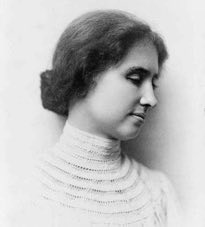 Helen Keller
Education
1880
Alabama
1973
Helen Keller
Education
1880
Alabama
1973
Helen Keller
Author and lecturer. An illness at the age of 19 months left her deaf, blind and mute. Through the work of teacher Anne Sullivan, she learned to overcome these daunting handicaps and became a powerful and effective national spokesperson on behalf of others with similar disabilities.
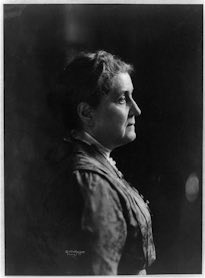 Jane Addams
Humanities
1860
Illinois
1973
Jane Addams
Humanities
1860
Illinois
1973
Jane Addams
Social reformer and peace activist who created Hull House in the slums of Chicago, starting an American settlement house movement to provide help for the poor. A lifelong activist, Addams fought child labor, infant mortality and dangerous workplaces. Founder of the Women’s International League for Peace and Freedom, she won the Nobel Prize for Peace in 1931.