Discover the Women of the Hall
These are the Inductees of the National Women’s Hall of Fame. Select any of the women to discover their stories and learn how they have influenced other women and this country.
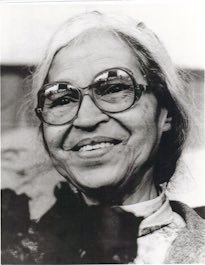
Rosa Parks
Known as “the mother of the Civil Rights Movement,” when, in 1955, she refused to give up her seat on a public bus to a white man in Montgomery, Alabama. The event sparked the Montgomery bus boycott, the first major effort in the Civil Rights struggle.
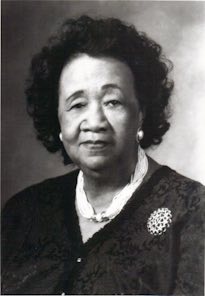
Dorothy Height
Began as a volunteer with the National Council of Negro Women. As its president and leader for forty years, she followed in the footsteps of her mentor, Mary McLeod Bethune. The NCNW represents organizations with more than four million members, works to create stong families as well as to assist young people and the needy.
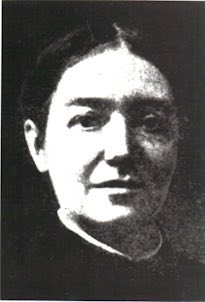
Mary Putnam Jacobi
Physician who founded the Association for the Advancement of Medical Education of Women. Jacobi was a leader in obtaining quality medical education for women.
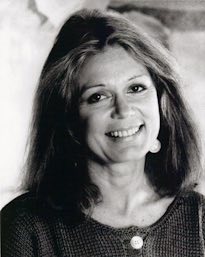
Gloria Steinem
Feminist leader, writer and social activist. A founder of Ms. Magazine, Steinem also co-convened the National Women’s Political Caucus and helped create the Ms. Foundation for Women. A best-selling author, her latest works are Revolution from Within: A Book of Self Esteem for Women and Moving Beyond Words.
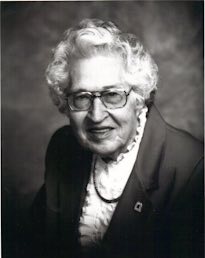
Helen Stephens
Athlete who set a world record and won two track and field gold medals at the 1936 Olympics. As an amateur, Stephens set Olympic, American and Canadian records in running, broad jump and discus. The small-town Missouri girl went on to become the first woman owner/manager of a women’s semiprofessional ball team and a lifetime sports advocate.
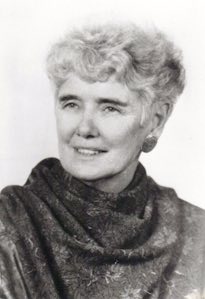
Elaine Roulet
Crusader for some of society’s most sharply disadvantaged, children of women in prison. A Sister of St. Joseph, Roulet has created many social reform and welfare organizations. She is best known for her work at the Bedford Hills Correction Center in New York, where she enabled mothers in prison to keep their babies for a year, a program now being patterned nationwide.
Rosa Parks
Known as “the mother of the Civil Rights Movement,” when, in 1955, she refused to give up her seat on a public bus to a white man in Montgomery, Alabama. The event sparked the Montgomery bus boycott, the first major effort in the Civil Rights struggle.
Dorothy Height
Began as a volunteer with the National Council of Negro Women. As its president and leader for forty years, she followed in the footsteps of her mentor, Mary McLeod Bethune. The NCNW represents organizations with more than four million members, works to create stong families as well as to assist young people and the needy.
Mary Putnam Jacobi
Physician who founded the Association for the Advancement of Medical Education of Women. Jacobi was a leader in obtaining quality medical education for women.
Gloria Steinem
Feminist leader, writer and social activist. A founder of Ms. Magazine, Steinem also co-convened the National Women’s Political Caucus and helped create the Ms. Foundation for Women. A best-selling author, her latest works are Revolution from Within: A Book of Self Esteem for Women and Moving Beyond Words.
Helen Stephens
Athlete who set a world record and won two track and field gold medals at the 1936 Olympics. As an amateur, Stephens set Olympic, American and Canadian records in running, broad jump and discus. The small-town Missouri girl went on to become the first woman owner/manager of a women’s semiprofessional ball team and a lifetime sports advocate.
Elaine Roulet
Crusader for some of society’s most sharply disadvantaged, children of women in prison. A Sister of St. Joseph, Roulet has created many social reform and welfare organizations. She is best known for her work at the Bedford Hills Correction Center in New York, where she enabled mothers in prison to keep their babies for a year, a program now being patterned nationwide.
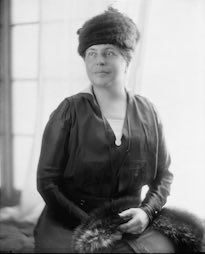
Lillian Wald
Nurse who organized the public health nursing service and the Henry Street Settlement in New York City to meet the needs of the urban poor. Wald created public health nursing services for many groups, and established the Public Health Nurses, known today as Visiting Nurse Service.
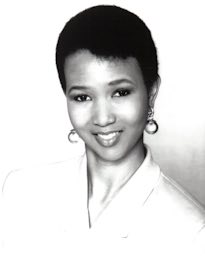
Mae Jemison
Physician, engineer and astronaut. Jemison was the first African American woman astronaut in space, traveling on the Endeavor in 1992. Jemison today works on linking space age technology with developing nations and encouraging women and minorities to enter scientific fields.
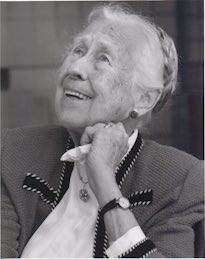
Esther Peterson
Catalyst for change in the labor, women’s and consumer movements. The driving force behind President Kennedy’s creation of the first Presidential Commission on Women in 1962, Peterson headed the Women’s Bureau in the Department of Labor. She also served Presidents Johnson and Carter, and served at the United Nations under President Clinton.
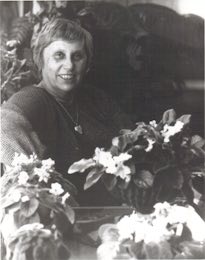
Ella Grasso
First woman elected a state governor in her own right. Grasso was elected Governor of Connecticut in 1974, serving until illness forced her retirement in 1980. She was also a Congresswoman and advocate for women, minorities and the elderly.
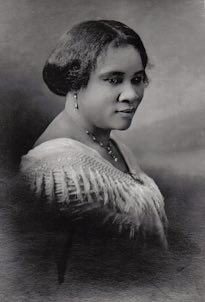
Madam C. J. Walker
Sara Breedlove, a Black entrepreneur considered the first African American woman to become a millionaire. She did this by devising a hair care and grooming system for African Americans and pioneered a door-to-door sales approach. The daughter of former slaves, Walker became an advocate for positive social change as well as a philanthropist.
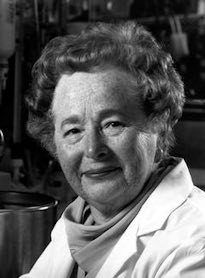
Gertrude Belle Elion
1988 Nobel Prize winner who spent a lifetime creating drugs to combat leukemia, gout, malaria, herpes and other auto-immune diseases. Elion’s work saved many lives, and led to the development of the first major AIDS drug AZT.
Lillian Wald
Nurse who organized the public health nursing service and the Henry Street Settlement in New York City to meet the needs of the urban poor. Wald created public health nursing services for many groups, and established the Public Health Nurses, known today as Visiting Nurse Service.
Mae Jemison
Physician, engineer and astronaut. Jemison was the first African American woman astronaut in space, traveling on the Endeavor in 1992. Jemison today works on linking space age technology with developing nations and encouraging women and minorities to enter scientific fields.
Esther Peterson
Catalyst for change in the labor, women’s and consumer movements. The driving force behind President Kennedy’s creation of the first Presidential Commission on Women in 1962, Peterson headed the Women’s Bureau in the Department of Labor. She also served Presidents Johnson and Carter, and served at the United Nations under President Clinton.
Ella Grasso
First woman elected a state governor in her own right. Grasso was elected Governor of Connecticut in 1974, serving until illness forced her retirement in 1980. She was also a Congresswoman and advocate for women, minorities and the elderly.
Madam C. J. Walker
Sara Breedlove, a Black entrepreneur considered the first African American woman to become a millionaire. She did this by devising a hair care and grooming system for African Americans and pioneered a door-to-door sales approach. The daughter of former slaves, Walker became an advocate for positive social change as well as a philanthropist.
Gertrude Belle Elion
1988 Nobel Prize winner who spent a lifetime creating drugs to combat leukemia, gout, malaria, herpes and other auto-immune diseases. Elion’s work saved many lives, and led to the development of the first major AIDS drug AZT.
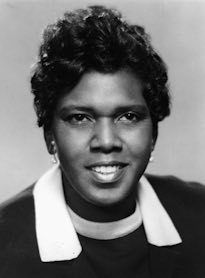
Barbara Jordan
First African American woman elected to Congress from the south and the first African American woman to deliver the keynote address at the convention of a major political party (Democratic Convention, 1976). Known as having a brilliant legal mind, Jordan became a professor and lecturer after retiring from Congress.
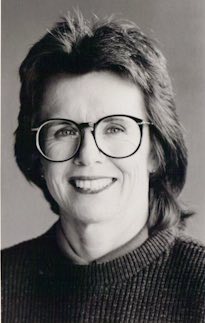
Billie Jean King
Dominated the world of tennis for more than 20 years, winning 20 Wimbledon titles, 13 U.S. Open titles and more. King was the founder of the Women’s Tennis Association and helped create the Women’s Sports Foundation.
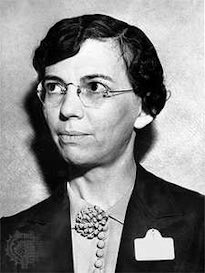
Florence B. Seibert
Scientist who made it possible to test for tuberculosis and who pioneered safe intravenous therapy. Siebert also devoted many years to cancer research.
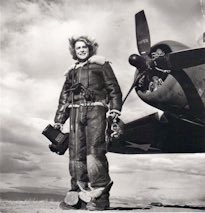
Margaret Bourke-White
Trailblazing photographer, recording the Depression, London in the Blitz, Stalin and the Kremlin, World War II and more as the paramount photographer for Life, Fortune and other publications.
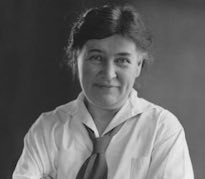
Willa Cather
Newspaperwoman and editor who became an outstanding novelist with the publication of O Pioneers in 1913. Cather went on to write other great novels and won the Pulitzer Prize in 1922. Her well-known works include My Antonia and Death Comes for the Archbishop.
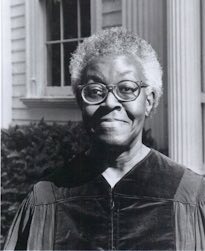
Gwendolyn Brooks
Poet and novelist. Brooks was the first African American woman to win the Pulitzer Prize (Annie Allen, 1949). She was very active in the Black arts movement.
Barbara Jordan
First African American woman elected to Congress from the south and the first African American woman to deliver the keynote address at the convention of a major political party (Democratic Convention, 1976). Known as having a brilliant legal mind, Jordan became a professor and lecturer after retiring from Congress.
Billie Jean King
Dominated the world of tennis for more than 20 years, winning 20 Wimbledon titles, 13 U.S. Open titles and more. King was the founder of the Women’s Tennis Association and helped create the Women’s Sports Foundation.
Florence B. Seibert
Scientist who made it possible to test for tuberculosis and who pioneered safe intravenous therapy. Siebert also devoted many years to cancer research.
Margaret Bourke-White
Trailblazing photographer, recording the Depression, London in the Blitz, Stalin and the Kremlin, World War II and more as the paramount photographer for Life, Fortune and other publications.
Willa Cather
Newspaperwoman and editor who became an outstanding novelist with the publication of O Pioneers in 1913. Cather went on to write other great novels and won the Pulitzer Prize in 1922. Her well-known works include My Antonia and Death Comes for the Archbishop.
Gwendolyn Brooks
Poet and novelist. Brooks was the first African American woman to win the Pulitzer Prize (Annie Allen, 1949). She was very active in the Black arts movement.
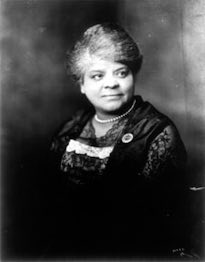
Ida B. Wells-Barnett
African American leader, anti-lynching crusader, journalist, lecturer and community organizer who fought social injustice all her life. Wells-Barnett sued a railroad over segregated seating, criticized segregated education and became editor and part owner of a newspaper. The horrors of lynching inspired her to lead a major effort to abolish the atrocity.
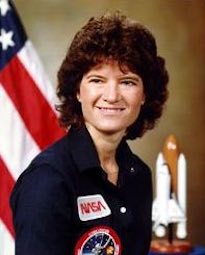
Sally Ride
First American woman astronaut (1983), when she rode aboard the Challenger into space. A scientist, Ride served as the Director of the California Space Institute at the University of California, San Diego.
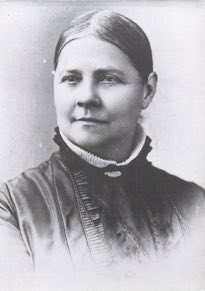
Lucy Stone
Early suffrage leader who began as an anti-slavery public advocate, followed by a lifetime of work for women’s right to vote. Stone was a sophisticated political tactician and founded The Women’s Journal, a fascinating archive of women’s history published from 1870 to 1893.
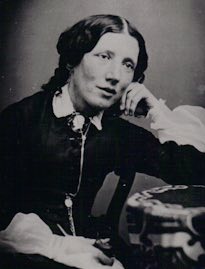
Harriet Beecher Stowe
Author and daughter of a minister, Stowe became one of the first women to earn a living by writing, publishing the best-seller Uncle Tom’s Cabin in 1852. Although she wrote much more, her best-seller was often acclaimed as a major factor in the drive to abolish slavery.
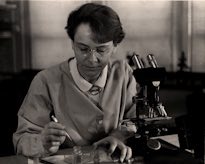
Barbara McClintock
Geneticist who pioneered work in maize genetics and the complex mechanisms which control and regulate cell development. McClintock helped to advance scientific understanding of this important field. In 1983 she received the first unshared Nobel Prize in medicine ever awarded to a woman.
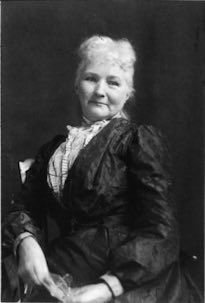
Mary "Mother" Harris Jones
Labor organizer and agitator who was a major figure in the American labor movement. For decades, Jones spoke out and organized for social justice for workers. She worked on behalf of the United Mine Workers and other groups.
Ida B. Wells-Barnett
African American leader, anti-lynching crusader, journalist, lecturer and community organizer who fought social injustice all her life. Wells-Barnett sued a railroad over segregated seating, criticized segregated education and became editor and part owner of a newspaper. The horrors of lynching inspired her to lead a major effort to abolish the atrocity.
Sally Ride
First American woman astronaut (1983), when she rode aboard the Challenger into space. A scientist, Ride served as the Director of the California Space Institute at the University of California, San Diego.
Lucy Stone
Early suffrage leader who began as an anti-slavery public advocate, followed by a lifetime of work for women’s right to vote. Stone was a sophisticated political tactician and founded The Women’s Journal, a fascinating archive of women’s history published from 1870 to 1893.
Harriet Beecher Stowe
Author and daughter of a minister, Stowe became one of the first women to earn a living by writing, publishing the best-seller Uncle Tom’s Cabin in 1852. Although she wrote much more, her best-seller was often acclaimed as a major factor in the drive to abolish slavery.
Barbara McClintock
Geneticist who pioneered work in maize genetics and the complex mechanisms which control and regulate cell development. McClintock helped to advance scientific understanding of this important field. In 1983 she received the first unshared Nobel Prize in medicine ever awarded to a woman.
Mary "Mother" Harris Jones
Labor organizer and agitator who was a major figure in the American labor movement. For decades, Jones spoke out and organized for social justice for workers. She worked on behalf of the United Mine Workers and other groups.