Discover the Women of the Hall
These are the Inductees of the National Women’s Hall of Fame. Select any of the women to discover their stories and learn how they have influenced other women and this country.
 Fanny Wright
Humanities
1795
Scotland
1994
Fanny Wright
Humanities
1795
Scotland
1994
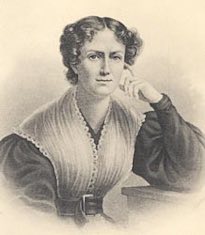
Fanny Wright
First American woman to speak out against slavery and for the equality of women. An inspiration to Stanton, Anthony and other women’s equality advocates, Wright wrote and spoke out publicly for equal rights for all at a time when women were not accepted in such roles.
 Lucretia Mott
Humanities
1793
1983
Lucretia Mott
Humanities
1793
1983
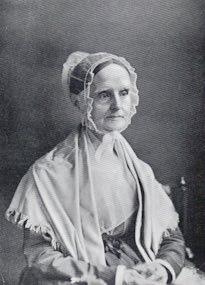
Lucretia Mott
Quaker anti-slavery advocate, who, after meeting Elizabeth Cady Stanton, became a leader in the women’s rights movement. Mott was a planner of the first Women’s Rights Convention in Seneca Falls in 1848, and she remained true to her sense of justice for African Americans and women throughout her life.
 Sarah Grimké
Humanities
1792
South Carolina
1998
Sarah Grimké
Humanities
1792
South Carolina
1998
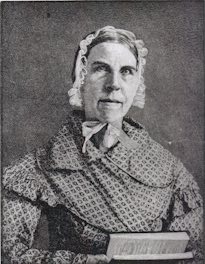
Sarah Grimké
Along with Angelina Grimké Weld, who wrote numerous published papers which championed abolition and women’s rights. The Grimké sisters were southerners who became the first female speakers for the American Anti-Slavery Society. Sarah’s Letters on the Equality of the Sexes exposed the plight of factory women in New England, as well as arguing on behalf of women’s rights and abolition. Through their examples and their words, the Grimkés proved that women could affect the course of political events and have a far-reaching influence on society.
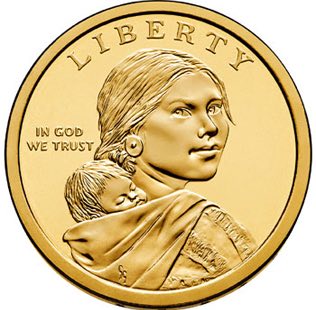 Sacagawea / Sacajawea / Sakakawea
Humanities
c.1788
Idaho
2003
Sacagawea / Sacajawea / Sakakawea
Humanities
c.1788
Idaho
2003
Sacagawea / Sacajawea / Sakakawea
A Shoshone woman who served as a guide to Lewis and Clark during their exploration of the American West, Sacagawea was an instrumental part in the success of this legendary Expedition.
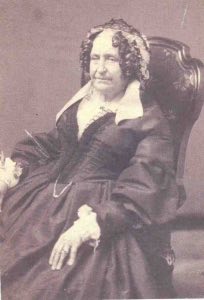 Emma Hart Willard
Education
1787
Connecticut
2013
Emma Hart Willard
Education
1787
Connecticut
2013
Emma Hart Willard
During her lifetime, Emma Hart Willard blazed an extraordinary trail on behalf of women’s education. A teacher by trade, Willard opened a girls’ school in her home in 1814 and was struck by the contrast between the education she could offer her women students and the education provided to men at nearby Middlebury College. She crafted A Plan for Improving Female Education, a document in which she advocated equal education for women at the academy level. In 1819, at the encouragement of Governor DeWitt Clinton, Willard opened a school in Waterford, New York which closed shortly afterward due to a lack of funding. Two years later, she founded Troy Female Seminary in Troy, New York (1821), the first school of higher learning for women. The seminary was renamed the Emma Willard School in her honor in 1895.
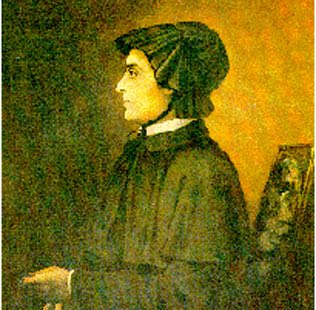 Elizabeth Bayley Seton
Humanities
1774
1979
Elizabeth Bayley Seton
Humanities
1774
1979
Elizabeth Bayley Seton
The first native-born American woman to be canonized a saint by the Roman Catholic Church. After raising a family, “Mother Seton” became a Sister of Charity and worked as an educator and leader of the order. She was known for her extraordinary virtue and kindness, and incidents of miraculous healing are attributed to her.
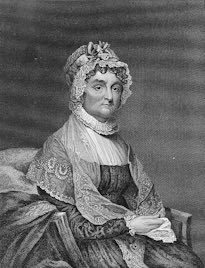 Abigail Adams
Humanities
1744
Massachusetts
1976
Abigail Adams
Humanities
1744
Massachusetts
1976
Abigail Adams
Influential letter writer who urged her husband, President John Adams to “Remember the Ladies” and permit women to legally own property. She identified this major obstacle to women’s equality, which was overcome years later.
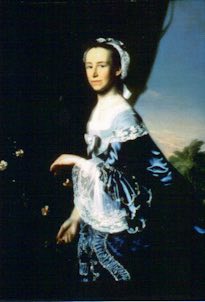 Mercy Otis Warren
Arts
1728
Massachusetts
2002
Mercy Otis Warren
Arts
1728
Massachusetts
2002
Mercy Otis Warren
Poet, dramatist, satirist and historian Mercy Otis Warren was widely known for using her pen to share her strong political views. She advocated for national independence and opposition to royal tyranny through works such as The Adulateur and The Group.
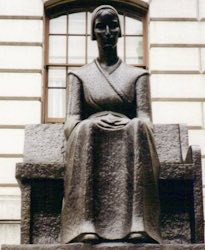 Mary Barret Dyer
Humanities
1611
England
2000
Mary Barret Dyer
Humanities
1611
England
2000
Mary Barret Dyer
Disenfranchised and banished from the Massachusetts Bay Colony along with Anne Hutchinson, she moved back to England, where she became a protégé of George Fox, the founder of Quakerism. Returning to Boston, she was arrested, imprisoned and expelled for preaching the Quaker faith. Returning to Boston again and again, she stood beside other condemned Quakers and finally was herself arrested and hanged. Her martyr’s death contributed to the move for religious tolerance in the colonies.
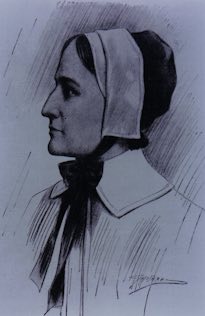 Anne Hutchinson
Humanities
1591
England
1994
Anne Hutchinson
Humanities
1591
England
1994
Anne Hutchinson
Religious leader who insisted on practicing her religious faith as she chose, including holding religious meetings in her home, the first woman in the new world to do so. As a result, she was banished from the Massachusetts Bay Colony.